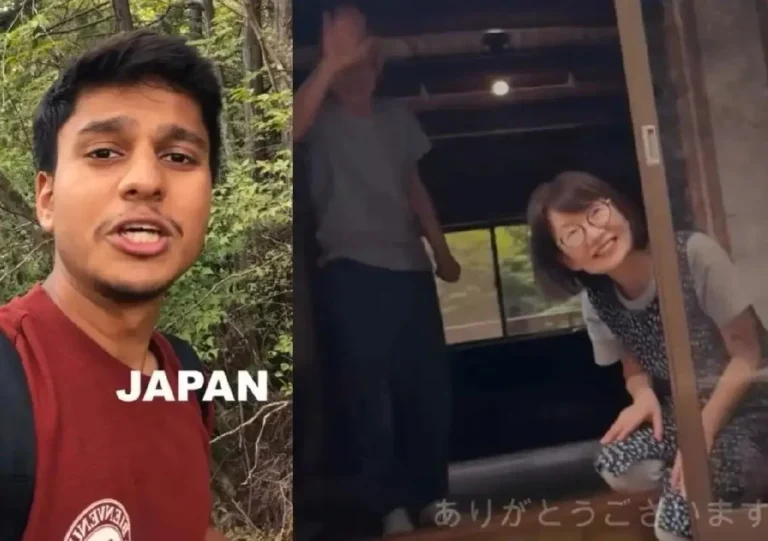
Gen Z Drives Global Shift Toward Experiential Travel
Young travelers are transforming the global tourism sector by shifting away from traditional sightseeing. Emerging consumer data reveals that Gen Z and millennial tourists now prioritize personal development, authentic cultural engagement, and sustainable experiences over conventional luxury itineraries, altering how the travel industry operates.
Key Highlights
- Experiential Shift: Youth preferences are moving from historic landmarks to unique, immersive local activities.
- Growth Priorities: Solo trips and nature expeditions are surging as tools for personal development.
- Cultural Ties: Travelers increasingly favor community-led tourism and workshops over traditional excursions.
- Budget Value: Financial constraints drive spending toward high-value memories rather than expensive lodging.
For generations, global leisure travel revolved around visiting iconic monuments, residing in premium hotels, and adhering to strict schedules. In 2026, younger demographics are approaching global exploration with an entirely altered mindset. Rather than tracking destinations, they seek meaningful encounters that yield permanent internal value.
Ranging from high-altitude trekking in isolated regions to culinary heritage tours and international volunteering, immersive excursions are rapidly capturing market share. Comprehensive hospitality industry metrics indicate that shifting consumer choices are accelerating a massive structural transition toward experiential itineraries, ensuring the journey eclipses the final destination.
SEEKING MEMORABLE EXPERIENCES
Younger exploration demographics place immense capital value on distinct, individualized journeys. Rather than allocating heavy capital toward high-end hospitality accommodations, these individuals systematically redirect their funds toward specialized excursions that build stories and lifelong memories.
FOCUS ON PERSONAL GROWTH
Modern expeditions are increasingly viewed as distinct pathways to master novel capabilities, construct self-reliance, and test personal boundaries. Specialized activities like independent international travel, wilderness backpacking, and deep cross-cultural residencies scale rapidly because they offer verified individual maturation alongside standard holiday recreation.
INTEREST IN LOCAL CULTURE
Immersive trip architecture fosters direct, substantial integration with local citizens. Modern independent travelers demonstrate a high probability of enrolling in regional culinary schools, guided heritage circuits, historic artisan workshops, and neighborhood-backed economic tourism projects instead of congregating at crowded commercial monuments.
ADVENTURE TOURISM IS GROWING
Action-oriented travel categories like mountain trekking, deep-sea diving, coastal surfing, wilderness camping, and ecological tracking retain a powerful draw for incoming traveler generations. These specific pursuits reliably deliver physical stimulation and a profound structural integration with the natural biosphere.
SOCIAL MEDIA INFLUENCE
Digital ecosystems including Instagram, TikTok, and YouTube have radically disrupted how global populations locate emerging destinations. Non-traditional encounters generate substantially higher organic engagement metrics online than standard holiday photography, pushing digital consumers to source activities that depart from rigid commercial catalogs.
VALUE FOR MONEY MATTERS
A vast majority of young exploratory consumers operate within strict financial limits. Instead of acquiring elite hospitality amenities, they deliberately select specialized activities that return elevated psychological fulfillment, viewing a distinct local excursion as far more economically justifiable than premium resort stays.
SHIFT TOWARDS MEANINGFUL TRAVEL
Environmental sustainability and ethical hospitality frameworks are becoming core components of consumer decision-making. Global travelers actively seek direct methods to finance neighborhood merchants, mitigate carbon generation, and practice mindfulness within the sovereign territories they visit.
A NEW WAY OF TRAVELLING
The global expansion of non-traditional itineraries highlights a permanent evolution in international tourism goals. For modern youth, the fundamental objective has shifted entirely from crossing off geographic coordinates to unearthing novel insights, forging human ties, understanding diverse societies, and gathering sustainable memories.
Future Outlook
The global tourism economy is projected to undergo deeper structural realignments by 2030 as youth spending power matures. Micro-economies dependent on landmark ticketing will likely face revenue dilution unless they integrate interactive, community-led programs. Major hospitality conglomerates are already adjusting corporate strategies, stripping away formal barriers to offer localized, eco-friendly accommodation packages that cater directly to this high-density behavioral shift.
FAQs
What is experiential travel?
Experiential travel is an approach to tourism where travelers focus on deeply connecting with a destination’s local culture, history, people, and environment through active participation, rather than simply visiting traditional tourist spots.
Why is Gen Z choosing experiences over luxury hotels?
Younger travelers operate on tighter budgets and derive higher emotional fulfillment from unique stories, personal development, and adventure activities than from expensive, standardized resort amenities.
How does social media affect modern travel trends?
Platforms like TikTok and Instagram reward unique, authentic content over generic sightseeing photos, motivating young consumers to look for off-the-beaten-path activities that stand out online.
What role does sustainability play in youth tourism?
Modern travelers increasingly prioritize responsible tourism, choosing experiences that actively minimize environmental degradation and directly support local businesses and communities.