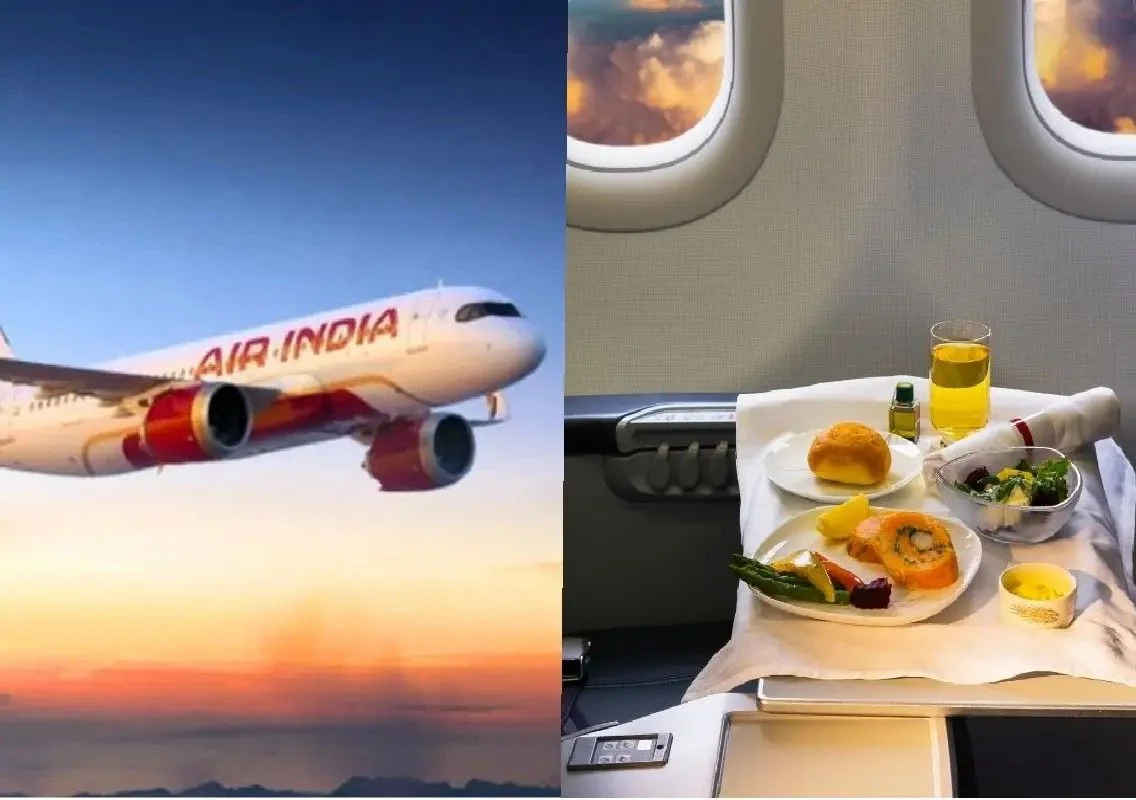
Air India Unveils No-Meal Tariff for Domestic Flights
Air India has launched a new unbundled fare structure that removes complimentary meals on specific domestic and short-haul international routes. This strategic shift aims to attract budget-conscious passengers amid rising competition within the domestic aviation sector by offering reduced ticket pricing and enhanced booking flexibility.
Key Highlights
- Air India eliminates complimentary meals on select domestic and short-haul routes to offer cheaper tickets.
- The unbundled fare strategy targets price-sensitive passengers who prefer paying only for required amenities.
- Travellers retaining the lower fare option can still purchase onboard meals and beverages separately.
- This move directly counters the dominance of low-cost carriers in India’s expanding aviation sector.
The flag carrier Air India has rolled out a fresh ticket category that excludes inclusive onboard dining options across specific domestic and short-haul international routes. The decision represents a major tactical adjustment designed to appeal directly to highly price-sensitive consumers nationwide.
This rollout coincides with escalating rivalry across the domestic aviation space, where budget operators command a massive market share. By allowing flyers to opt out of catering services, the airline intends to lower base entry pricing while granting consumers autonomy over their flight expenses.
A new option for price-sensitive flyers
Under this updated pricing architecture, flyers choosing the no-meal reservation tier will encounter cheaper prices than passengers booking conventional seats. Individuals opting for these economical rates retain the capability to buy food and drinks à la carte during their journey if they choose.
The deployment demonstrates shifting consumer habits, especially among commuters booking brief regional flights where free food is rarely deemed necessary. This enables the legacy operator to segment its customer base more effectively while sustaining core revenue metrics across various operational routes.
Competing with low-cost carriers
The commercial aviation sector in India has experienced exponential expansion, with discount airlines capturing massive traffic via aggressive pricing models. A growing segment of the traveling public expresses an overt preference for unbundled options, paying strictly for amenities they plan to consume.
Aviation market analysts suggest that this targeted product offering aims to shrink the pricing disparity separating full-service airlines from low-cost rivals. The configuration allows the enterprise to capture broader demographics without sacrificing its traditional premium tier amenities for executive passengers.
More choice for travellers
The tactical shift matches widespread international airline practices, where global network operators frequently deploy customizable booking tiers. These configurations accommodate diverse consumer requirements, specific passenger budgets, and distinct travel habits seamlessly across modern international route networks.
For everyday consumers, this operational adjustment provides enhanced versatility during the reservation process, permitting them to isolate cheaper base costs. Passengers can easily decide whether to prioritize financial savings or select premium add-on features depending entirely on their personal comfort preferences.
As industry competition intensifies, commercial flight operators are forced to discover alternative mechanisms that harmonize price efficiency with consumer satisfaction. Striking a sustainable equilibrium remains paramount as airlines optimize their service delivery frameworks to protect thin margins and improve load factors.
Future Outlook
The introduction of unbundled products by full-service operators signals an ongoing evolution in regional aviation strategies. As market dynamics shift, industry observers expect further structural modifications across ticket classes to maximize yields while retaining a competitive edge against pure low-cost carriers.
FAQs
Will Air India passengers still be able to get food on these flights?
Yes, passengers who purchase the lower no-meal fare can still buy food and beverages separately during their journey if they choose to do so.
Why is Air India introducing this new fare category?
The airline introduced this option to provide cheaper ticket options for price-sensitive travellers and to compete more effectively with low-cost carriers dominating the market.
On which routes will the new fare structure apply?
The new unbundled fare category applies strictly to select domestic flights and short-haul international routes operated by the carrier.


