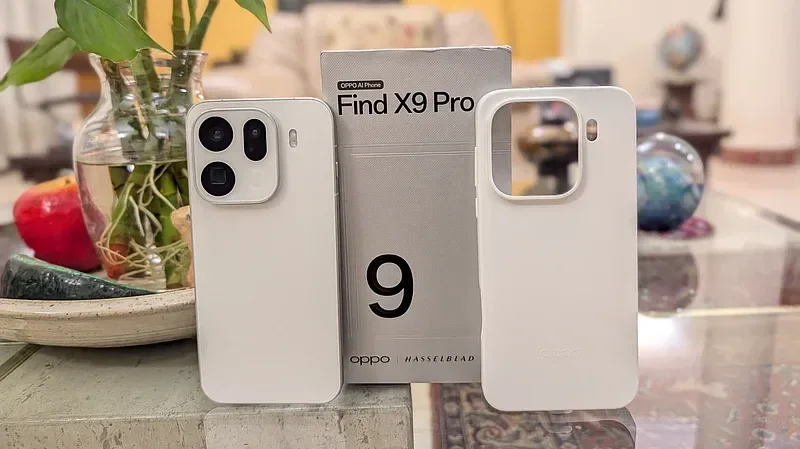
OPPO Raises Smartphone Prices In India Citing AI Memory Costs
OPPO has implemented another round of price hikes across multiple smartphone models in India to counteract surging component expenses. The strategy targets eight distinct product variants as manufacturers battle industry-wide supply chain inflation.
Key Highlights
- OPPO increased prices across eight smartphone models in India, effective June 22, 2026.
- Price adjustments range from ₹2,000 to ₹3,000, marking a percentage surge of up to 9.38%.
- The premium shifts stem from escalating memory chip costs driven by global artificial intelligence infrastructure demands.
- Industry retail bodies warn that persistent retail price inflation could severely depress regional smartphone sales volumes.
The Chinese smartphone manufacturer has introduced additional price increases for a variety of its mobile models within the Indian market. This tactical shift represents the company’s third pricing adjustment in under a month, prompted by escalating hardware component expenses across the broader electronics industry. Commencing June 22, 2026, the latest upward revisions affect eight distinct product variants, including specific models from the A6, A6 Pro, and F33 5G device portfolios.
The individual price corrections span between ₹2,000 and ₹3,000, which translates to a percentage growth of 5.26% to 9.38% across the retail tiers. The F33 5G configuration featuring 6GB RAM and 128GB storage incurred the sharpest baseline increase of ₹3,000, moving from its original ₹31,999 price tag up to ₹34,999. This specific revision equates to a 9.38% jump. Similarly, the A6 5G model with 4GB RAM and 128GB storage underwent a notable correction, climbing from ₹21,999 to ₹23,999, a net upward adjustment of 9.09%.
Corporate leadership attributed the pricing correction directly to swelling memory acquisition costs levied by hardware suppliers. This component market pressure has intensified due to expanding production demands linked to artificial intelligence technologies. This upward pricing trajectory is visible beyond OPPO, as rival device manufacturers implement comparable retail adjustments to shield margins from expensive memory architecture and raw component inputs.
According to data from the All India Mobile Retailers Association (AIMRA), the ongoing wave of smartphone price inflation will likely endure. Kailash Lakhyani, Founder Chairman of AIMRA, voiced structural anxieties regarding how consecutive retail hikes might damage overall market sales volumes. Lakhyani advised that buyers should avoid delaying device acquisitions because market indicators point toward sustained price hikes driven by elevated Bill of Materials (BOM) metrics, ongoing chipset shortages, and macroeconomic inflation.
These retail modifications arrive closely on the heels of prior June adjustments targeting the K14x 5G product catalog, where OPPO imposed hikes averaging ₹1,000. Before that initiative, the brand restructured pricing for its premium Find X9 lineup on May 26, pushing retail costs upward by ₹10,000 for its top-tier flagship offerings.
This widespread margin strain mirrors larger commercial friction points shifting across the Indian mobile ecosystem. Analytical data published by Counterpoint indicated that localized smartphone shipments contracted by 3% year-on-year during the first quarter of 2026, registering the softest quarterly volume performance documented in six years. Analysts blamed the slump on upstream supplier inflation, aggressive brand pricing models, and cooler retail demand from mainstream consumers.
Market experts indicate that premium brands like Samsung and Apple are similarly poised to initiate consumer price hikes as production entities continue battling elevated distribution network costs. Because localized handset prices remain on an upward trajectory, market analysts suggest that consumers complete scheduled upgrades early to avoid compounding retail premiums.
Future Outlook
The Indian smartphone market faces ongoing margin compression throughout the remainder of 2026. As manufacturing entities face unyielding Bill of Materials inflation, consumer electronics brands are shifting from cost-absorption tactics to direct retail price adjustments. If artificial intelligence infrastructure demands continue to dominate global semiconductor allocation, component costs will likely stay elevated, forcing secondary brands to join industry leaders in raising baseline device prices.
FAQs
Why is OPPO raising smartphone prices in India?
OPPO adjusted its retail prices due to mounting component expenses, specifically rising memory chip procurement costs driven by global artificial intelligence hardware demands.
Which OPPO models are affected by the June 2026 price hike?
The latest pricing adjustments impact eight distinct variants across the brand’s portfolio, specifically targeting models within the A6, A6 Pro, and F33 5G product lineups.
How much more expensive have the smartphones become?
Retail prices increased between ₹2,000 and ₹3,000, representing an upward shift of 5.26% to 9.38% depending on the specific model and storage configuration.
Will other smartphone brands increase their prices too?
Industry analysts and retail associations indicate that competing manufacturers, including market leaders like Samsung and Apple, face similar supply chain cost pressures and may adjust prices soon.