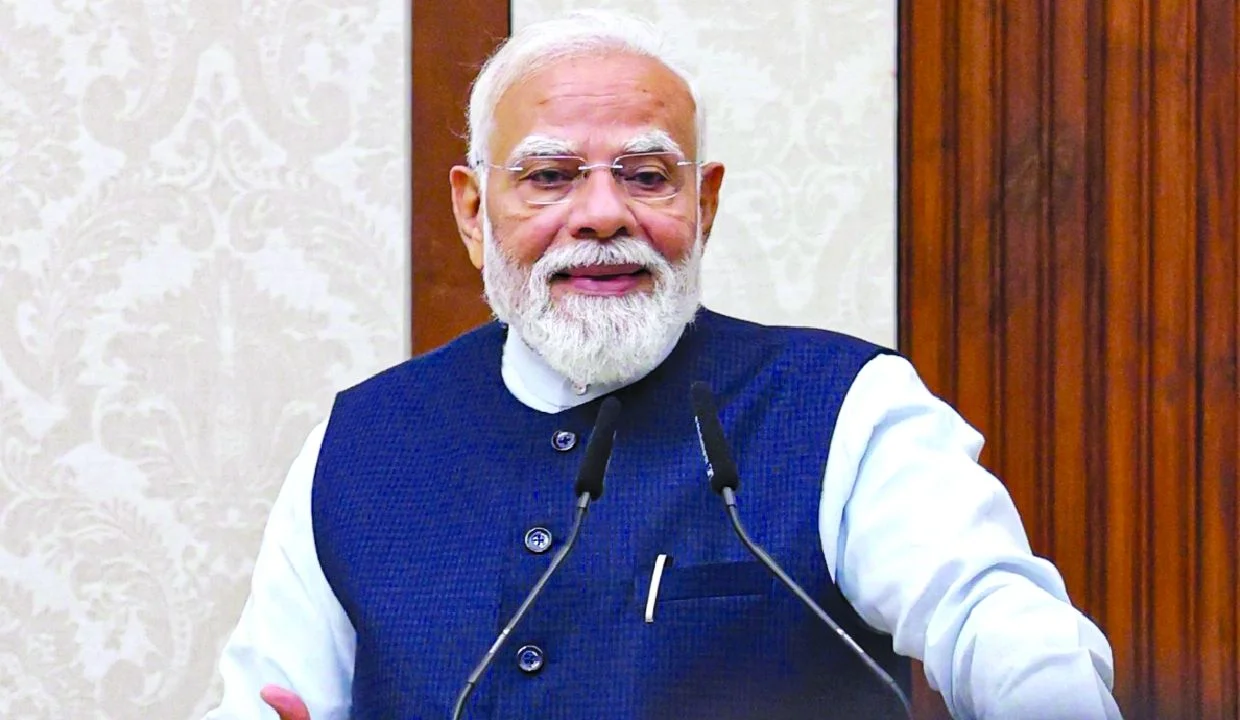
PM Modi Demands Swift Action Against Rising Cybercrime and Digital Arrest Scams
Prime Minister Narendra Modi spearheaded a comprehensive review addressing the escalation of digital arrest scams and widespread cybercrime across India. Emphasizing the critical need for an immediate, unified response, he demanded that administrative bottlenecks be eliminated so distressed citizens avoid navigating a maze of disconnected law enforcement agencies.
Key Highlights
- Enhanced Accountability: PM Modi mandated definitive division of responsibility and accelerated response times among banks, digital platforms, and law enforcement.
- Rapid Legal Registration: States are urged to adopt e-Zero FIR frameworks to initiate immediate investigations into cyber financial fraud.
- Citizen Protection: New directives aim to minimize financial losses and shield vulnerable demographics from severe psychological and economic trauma.
During the high-level review, the Prime Minister underscored the necessity of establishing explicit accountability, accelerating response times, and fostering seamless synergy among law enforcement agencies, banking institutions, and digital platforms. He emphasized that rapid intervention in electronic fraud incidents is vital to halt financial leakage and restore public trust in nationwide digital ecosystems.
The Prime Minister instructed all relevant regulatory and security bodies to collaborate intensively to optimize the entire enforcement pipeline. This directive spans proactive prevention strategies, immediate reporting mechanisms, rigorous investigation techniques, and the definitive resolution of consumer grievances.
He specifically pushed state governments to fast-track the deployment of e-Zero FIR frameworks, ensuring that cyber fraud incidents face no jurisdictional delays during initial registration.
He insisted that victims confronting financial crises must not endure bureaucratic runarounds across multiple administrative offices. Digital arrest scams have intensified into a highly dangerous category of modern cyber fraud. Criminals masquerading as police officers, CBI agents, or federal operatives confine targets via long video calls, construct fraudulent charges, and extort substantial funds through immediate threats of incarceration or asset forfeiture.
Financial damages have escalated into hundreds of crores, disproportionately impacting middle-class households, retirees, and educated professionals. The accompanying mental distress frequently matches the severe financial devastation inflicted upon the victims.
He ordered the launch of robust public awareness initiatives to instruct citizens on the deceptive strategies deployed by these criminal syndicates and the immediate countermeasures required for self-protection. These executive orders arrive as cyber fraud incidents register sharp increases nationwide, propelled by organized networks operating both within Indian borders and from international locations.
A primary objective dictates that public literacy campaigns must evolve aggressively alongside sophisticated fraud techniques. Consequently, the Prime Minister advocated for sustained, high-impact sensitization programs across the country while demanding that victim complaints receive swift processing to deliver aid without protracted operational delays.
The Prime Minister seeks optimized inter-agency communication and transparent operational mandates to eliminate systemic delays and procedural ambiguity during complaint processing. Senior officials note that the integration of e-Zero FIRs will drastically compress the timeline separating initial complaints from active field investigations.
Following state-level integration of this framework, any cyber financial fraud notification logged via the National Cybercrime Reporting Portal or the official 1930 helpline will automatically transition into an official FIR. This protocol empowers law enforcement personnel to execute immediate tactical interventions. This review underscores the central government’s resolve to implement structural reforms against digital crime.
By prioritizing crime prevention, immediate operational execution, and citizen-centric governance, the Prime Minister has established rigorous performance metrics for all anti-fraud organizations. Backed by defined operational boundaries and strict timelines, the strategy establishes a unified front designed to mitigate financial losses and accelerate judicial outcomes.
History of Digital Arrest Scams
The phenomenon of digital arrest scams has evolved rapidly alongside India’s expanding digital payment infrastructure. Originally characterized by simple phishing emails and lottery fraud, organized syndicates have transitioned toward advanced psychological coercion. The deployment of high-speed video conferencing tools allowed international and domestic networks to mimic authentic courtroom and interrogation environments. This structural shift prompted the central government to transition from isolated local policing methods to a centralized tracking matrix, culminating in the deployment of the National Cybercrime Reporting Portal and the dedicated 1930 emergency response line.
FAQs
What is a digital arrest scam?
A digital arrest scam is a specialized form of cyber fraud where criminals impersonate law enforcement officials, such as the CBI or police, via video calls. They falsely accuse victims of crimes, place them under a simulated “digital arrest,” and coerce them into transferring large sums of money to avoid jail or asset seizure.
How does the e-Zero FIR system assist cybercrime victims?
The e-Zero FIR system allows cybercrime complaints filed on the National Cybercrime Reporting Portal or via the 1930 helpline to be automatically registered as formal First Information Reports regardless of jurisdiction. This eliminates administrative delays and allows law enforcement to freeze stolen funds immediately.
What should you do if you receive a fraudulent digital arrest call?
If you receive a suspicious video call threatening arrest or demanding money on behalf of law enforcement, disconnect immediately. Do not share financial details or transfer funds. Report the incident right away to the National Cybercrime Reporting Portal or dial the national cyber helpline at 1930.