Indian Bodybuilder Sushil Kumar Dies at 26 After Workout
An elite Indian competitive athlete has passed away suddenly following a intense training session. The tragedy occurred on June 16, 2026, when the young sportsman collapsed shortly after returning to his residence, sparking renewed conversations regarding cardiovascular health and extreme physical stress within competitive athletics.
Key Highlights
- Regional bodybuilding star Sushil Kumar passed away at the age of 26.
- The athlete collapsed at his residence on June 16, 2026, shortly after finishing a gym session.
- Medical professionals suspect sudden cardiac arrest or a drastic blood pressure drop caused the fatality.
- The tragedy has reignited critical global discussions regarding elite fitness and cardiovascular safety.
Indian Bodybuilder Sushil Kumar Dies at age 26, Reportedly Collapsed After a Training Session
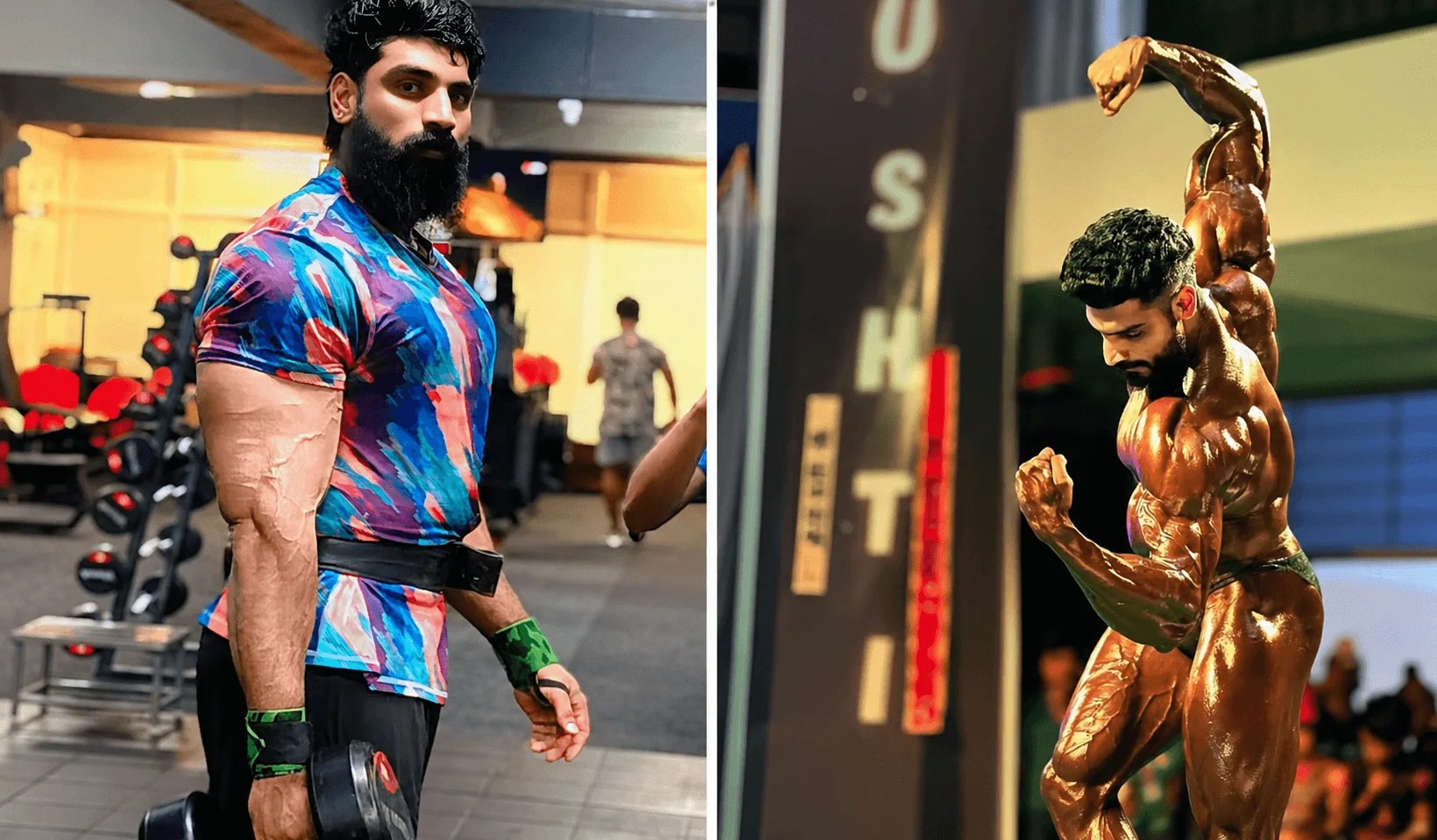
The international fitness community is mourning the tragic loss of rising Indian competitor Sushil Kumar, who died at the age of 26 after losing consciousness at his residence following a gym workout.
Local dispatches report that Kumar returned home on June 16 after finishing a rigorous training routine. He immediately felt severe discomfort and complained of intense dizziness to his family. Within moments, the athlete collapsed, forcing family members to rush him to a nearby emergency medical facility.
Medical personnel attempted life-saving interventions, but physicians officially pronounced Kumar dead upon arrival.
Sushil Kumar Dies Suddenly at 26
As a permanent resident of J.T. Jambanna Nagar, Kumar had built a reputation as a prominent talent in the regional circuit of India. He secured top placements in both state and national divisions, maintaining long-term professional aspirations to test his abilities on global competitive stages.
Outside of formal competitions, Kumar actively supported his local athletics community by coaching novice competitors and distribution of targeted nutritional strategies. News of his sudden death circulated rapidly across digital platforms, drawing extensive memorials from fellow lifters, colleagues, and sports fans worldwide.
At the current time, medical examiners have not released an official post-mortem certification.
Initial clinical assessments indicate that acute heart failure represents the probable cause of death, though regional authorities await final laboratory diagnostics. Alternative medical theories suggest an acute drop in systemic blood pressure triggered the fatal physiological crisis.
Tragedy Renews Discussion About Athlete Health
Following the dissemination of Kumar’s passing, digital forums filled with speculation regarding potential medical catalysts. Even so, formal pathological documentation remains pending, leaving all claims regarding specific physiological triggers entirely unverified by medical professionals.
Nevertheless, the sudden loss has forced the global fitness industry to re-examine systemic issues surrounding cardiovascular strain, proper physiological recovery, and the heavy physical tolls demanded by top-tier modern physical competition.
Kumar’s untimely passing follows several high-profile fatalities within the global fitness sector. Earlier in 2026, a 22-year-old Brazilian competitor named Gabriel Ganley died from complications later confirmed as hypertrophic cardiomyopathy, a genetic pathology characterized by abnormal thickening of myocardial walls.
Elite sports icons have frequently highlighted these systemic dangers over past decades. Seven-time Mr. Olympia winner Arnold Schwarzenegger previously labeled modern bodybuilding as an exceptionally hazardous sport, warning that contemporary competitors routinely subject their bodies to extreme physiological limits to secure competitive advantages.
While local investigators continue to establish the precise sequence of events leading to Kumar’s passing, this loss highlights the critical necessity of regular cardiovascular screening and immediate recognition of early cardiac warning signs.
For now, the athletic community remains dedicated to honoring Kumar’s memory and local legacy. Close relatives, peers, and competitive peers continue to post public tributes to a dedicated young athlete whose ultimate professional goals remained unfulfilled.
History of Cardiovascular Risks in Elite Strength Sports
The sudden passing of young athletes like Kumar highlights a documented historical pattern of cardiovascular stress within high-intensity strength sports. Over the past three decades, sports medicine researchers have increasingly scrutinized the physiological impact of extreme hypertrophy training and accelerated weight fluctuations on young circulatory systems.
Cardiovascular strain in strength athletics often stems from prolonged elevated intra-thoracic pressure during heavy lifting, combined with extreme dietary behaviors. Medical registries show that structural changes, such as left ventricular hypertrophy, can become pathological when paired with inadequate recovery or genetic predispositions, escalating the risk of lethal arrhythmias during post-workout recovery windows.
FAQs
What was the official cause of bodybuilder Sushil Kumar’s death?
An official medical cause of death has not been released by authorities. However, medical professionals suspect acute cardiac arrest or a sudden drop in blood pressure may have triggered the collapse.
How old was Sushil Kumar and where did he compete?
The Indian bodybuilder was 26 years old at the time of his death. He lived in J.T. Jambanna Nagar and competed successfully in state and national-level bodybuilding events.
What other recent bodybuilding deaths are linked to heart health?
Earlier in 2026, 22-year-old Brazilian bodybuilder Gabriel Ganley passed away due to hypertrophic cardiomyopathy, a condition causing the thickening of the heart muscle, highlighting ongoing concerns about athlete cardiovascular safety.