Shivang Kumar’s Journey to IPL and MPL Success
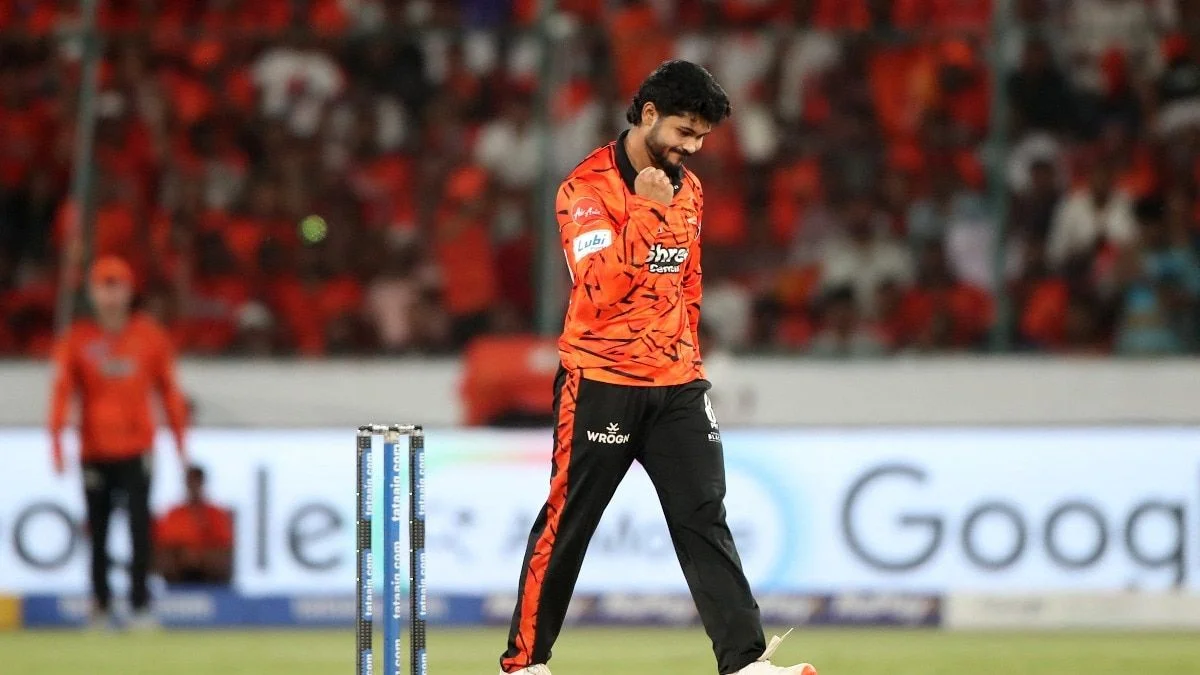
Shivang Kumar emerged as an unexpected revelation during the 2026 Indian Premier League season. The Madhya Pradesh spinner quietly joined Sunrisers Hyderabad without auction hype or immense expectations. After claiming 9 wickets across 13 matches, his unconventional skills have sparked widespread interest and altered his career trajectory.
Key Highlights
- Shivang Kumar secured 9 wickets in 13 games for Sunrisers Hyderabad during the 2026 IPL.
- The cricketer adapted his game by transitioning into a rare left-arm wrist-spinner to counter left-handed batters.
- He recently displayed his all-round potential in the Madhya Pradesh League by slamming a 13-ball fifty.
- Australian skipper Pat Cummins and veteran quick Varun Aaron provided crucial mentorship at Sunrisers Hyderabad.
The batting capabilities of the cricketer stayed largely unexposed due to the explosive nature of the Sunrisers Hyderabad top order. This dynamic severely limited his opportunities lower down the line-up. However, close observers recognized his complete skill set, which he recently flaunted by smashing a 13-ball half-century in the Madhya Pradesh League.
This blistering knock proved he is a legitimate all-rounder rather than a tail-ender. His aggressive strokeplay and fearless approach mirror the modern philosophy championed by Sunrisers Hyderabad. While the Indian Premier League highlighted his bowling, the regional tournament is unveiling his extensive dual capabilities.
CHOOSING TO BE DIFFERENT
The spinner anticipated a tactical shift before traditional mentors advised an adjustment. Left-handed batters were consistently dismantling orthodox left-arm spin in shortest-format cricket. The traditional angles had lost potency, scoring became easier, and dismissals declined. Recognizing this trend, he proactively transitioned into a Chinaman bowler to fill a rare niche.
The Bundelkhand Bulls representative explained that evolving dynamics favored left-handed batters roughly 3 to 4 years ago. Orthodox spinners faced diminished returns against them. He realized maintaining his existing style would halt his development, prompting his decision to experiment with a completely different craft.
The transformation required significant time and patience. He initially experimented with the carrom ball to train his wrist for alternative releases. The wrist-spin action developed gradually over numerous training sessions. During this experimental phase, outsiders questioned his direction, advising him to leverage his established batting skills instead.
The cricketer faced distinct skepticism throughout this transition phase. Whenever an athlete introduces an unproven skill, critics emerge. Multiple individuals urged him to abandon the bowling project and concentrate solely on his batting.
His younger brother, Devang, offered unwavering encouragement when others doubted the shift. Devang possessed a keen understanding of the competitive cricketing landscape. He recognized that reaching elite levels required a unique profile that separated his brother from standard domestic options.
The spinner credits his younger sibling for possessing a clear vision regarding professional cricket. Devang consistently emphasized that ascending to top-tier tournament play required developing a rare attribute that set him apart from conventional competitors.
The strategic plan was direct and mathematically sound. Combining proficient batting depth with rare left-arm wrist spin creates an incredibly scarce profile globally. His immediate family collectively trusted that this specific sporting identity would yield long-term professional rewards.
HIS FATHER’S UNFINISHED DREAM
An underlying narrative anchors every professional athlete’s journey. For Shivang, it starts with his father. Praveen Kumar, a senior ticket collector with Indian Railways, harbored cricket ambitions that never fully materialized. Personal obligations shifted his focus, yet the experience left him with deep empathy rather than resentment.
During periods of poor form and compounding self-doubt, his father understood the emotional toll. He refrained from panicking or applying added pressure. Instead, he consistently supported his son, ensuring financial constraints never hindered the young athlete’s career development despite family instability.
The financial backing was vital, but the emotional intelligence proved more impactful. The cricketer required a mentor who understood that temporary slumps are standard. His father maintained a balanced perspective when on-field results were completely absent.
The patriarch served as a vital source of encouragement during difficult phases. When progress stalled, he consistently urged his son to maintain his work ethic, assuring him that dedicated efforts would eventually yield positive outcomes.
SURPRISING CALL FROM SRH
The player‘s path to the franchise unfolded unexpectedly. He missed two scheduled selection trials because they conflicted with his Syed Mushtaq Ali Trophy commitments. Operating without representation or insider assurances, he was entirely unaware that the franchise scouts were monitoring his domestic performances.
The bowler admitted his eventual selection caught him completely off guard. Having missed the evaluation sessions, he had no indication that the team possessed any strategic interest in acquiring his services.
His initial reaction mixed bewilderment with intense excitement. The reality of joining an elite roster settled in quickly. He found irony in the situation, noting that as a bowler, he preferred playing alongside their formidable batting unit rather than facing them.
The franchise offered immediate validation alongside a roster spot. They chose to play him in the starting eleven rather than keeping him on the bench, trusting his unique skills during high-pressure phases of the tournament.
The selection brought immense satisfaction because management completely trusted his capabilities. The progressive philosophy instilled by the coaching staff is something he intends to utilize in future domestic competitions.
LESSONS FROM CAPTAIN CUMMINS
Operating in an elite dressing room provided unique developmental insights. Team leader Pat Cummins avoided empty motivational rhetoric, leading instead through personal accountability. The Australian fast bowler accepted full responsibility for outcomes without offering excuses, reshaping the rookie’s understanding of leadership.
The young spinner absorbed the distinctly aggressive elite mentality from his captain. The approach focuses on controlling the narrative and taking ownership of defeats, an attitude the domestic bowler highly respected.
Wicketkeeper Ishan Kishan offered vital tactical support from behind the stumps. Having a keeper who maintains complete belief in a bowler’s strategy alters execution. Kishan provided that essential confidence from their very first match together.
The keeper granted total tactical freedom to deploy googlies, leg-spin, or flippers. This complete trust from behind the stumps allowed the young bowler to trust his own execution during critical match moments.
Mid-game strategy sessions with legendary spinner Muttiah Muralitharan offered seasoned perspective rather than mechanical adjustments. Furthermore, bowling to Heinrich Klaasen in net sessions accelerated his development, as troubling a premier spin-hitter built immense match-day confidence.
VARUN AARON’S VOTE OF CONFIDENCE
Successful sports organizations depend heavily on supportive team cultures. The franchise established an encouraging environment for raw prospects, with Varun Aaron was central to that. The veteran pace bowler ensured young players maintained confidence even after expensive spells.
The newcomer credited Aaron for effectively managing the inexperienced bowling group. The veteran consistently reminded the prospects that their selection was a direct reflection of their verified capabilities.
Conceding runs is a routine reality within modern T20 cricket. Aaron ensured the rookies maintained an aggressive mindset, reminding them that they were competing against world-class batters and had no reason to feel demoralized.
The bowler also acknowledged team video analyst Prateek for providing comprehensive data-driven scouting reports, ensuring the younger players felt thoroughly prepared before entering matches.
INNOVATING AS A BOWLER
Modern short-form cricket offers zero leniency to defensive bowling strategies. Team totals regularly eclipse 220 or 250 runs. Batters attack instantly, meaning bowlers who prioritize survival over taking wickets generally concede heavy runs.
The team captain consistently emphasized a singular directive throughout the campaign. Taking wickets remains the ultimate defensive metric. Conceding boundaries while pursuing a dismissal is acceptable, whereas defensive bowling sacrifices tactical control.
The spinner completely agreed with this aggressive philosophy. Left-arm wrist spin is inherently a wicket-taking discipline. Every variation he practiced was built to force errors rather than restrict scoring rates, aligning perfectly with management’s strategic goals.
THE INDIA DREAM CAN WAIT
The cricketer represents an incredibly rare modern profile: a left-arm wrist-spinner capable of clearing boundaries down the order. This unique combination matches modern white-ball requirements perfectly, making future national selection highly probable.
The player acknowledges this reality but remains focused on immediate assignments, preventing long-term aspirations from disrupting his current technical development.
Future Outlook
The rise of unique bowling profiles like left-arm wrist spin highlights a broader shift in T20 cricket. As analytical data allows batters to predict traditional spin angles, unconventional bowlers are becoming highly sought after. For Shivang Kumar, the immediate future involves cementing his status as a reliable premier all-rounder. His performances in regional leagues will serve as a testing ground for his batting development, potentially elevating him into national team conversations before the next major ICC cycle.
FAQs
What bowling style does Shivang Kumar practice?
He bowls left-arm wrist spin, commonly referred to as Chinaman bowling, which he developed to counter left-handed batters.
Which teams did Shivang Kumar represent in 2026?
He played for Sunrisers Hyderabad in the Indian Premier League and the Bundelkhand Bulls in the Madhya Pradesh League.
How many wickets did he claim in his debut IPL season?
The spinner collected 9 wickets over the course of 13 matches for his franchise.