Wes Moore Asserts Political Dominance in Maryland Primaries
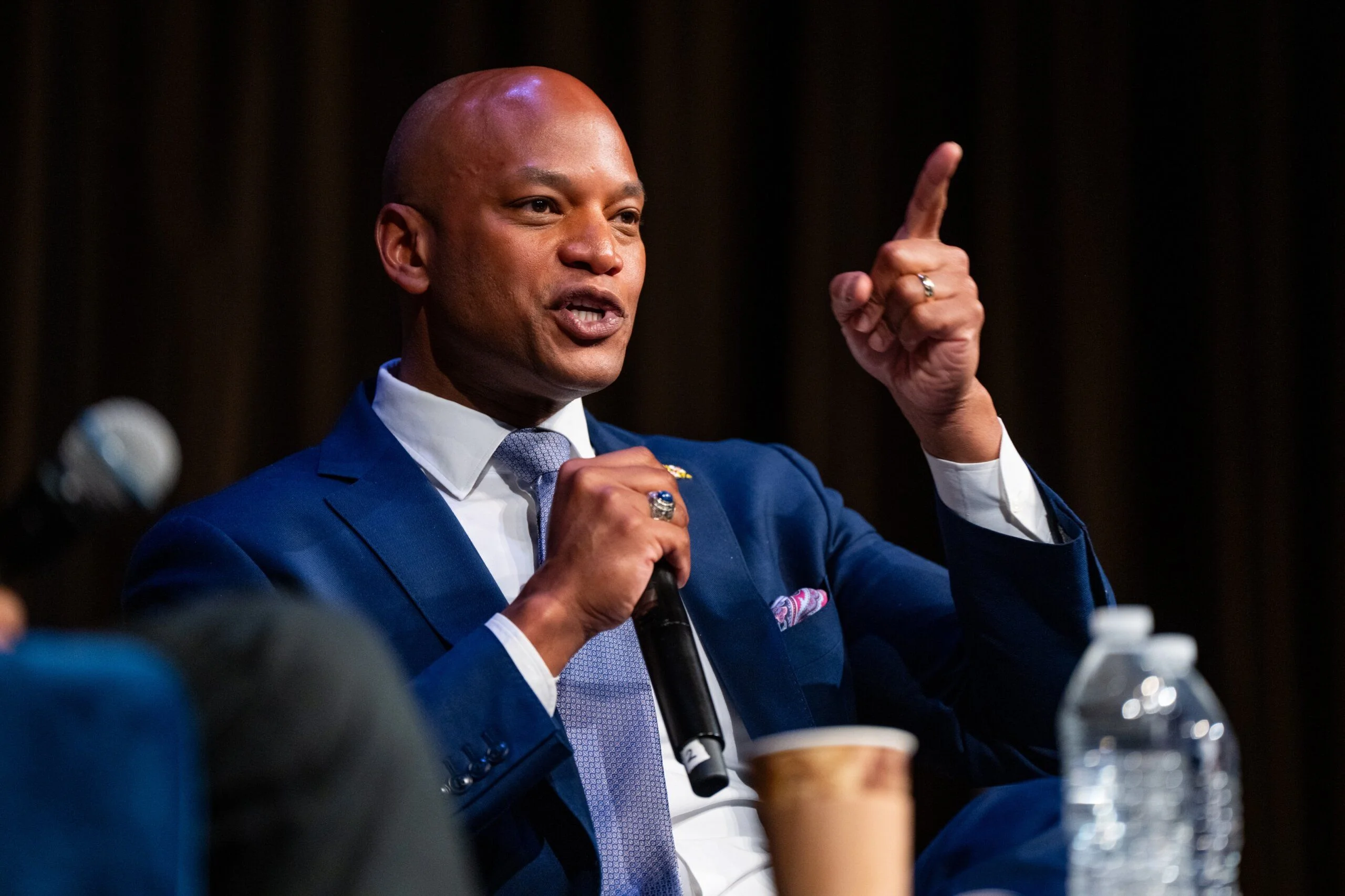
Maryland Governor Wes Moore secured a decisive primary victory, leveraging his substantial political influence to propel numerous endorsed Democratic candidates to victory across the state.
Key Highlights
- Governor Wes Moore easily won renomination with over 93% of the early vote.
- Candidates endorsed by the governor achieved a matching 93% success rate statewide.
- High-profile primary wins included tough congressional and county executive races.
- State Senate President Bill Ferguson faced an unexpectedly strong challenge after clashing with Moore.
With more than 93% of ballots tallied, Maryland Governor Wes Moore dominantly defeated his solitary Democratic primary challenger to secure his position on the ballot.
Beyond his personal victory, the governor’s campaign highlighted a matching success rate exceeding 93% across the state. Campaign officials noted this metric represents the outcomes for approximately 200 candidates endorsed by Moore who have either won or are currently leading.
While several endorsed choices secured effortless victories, other candidates like Adrian Boafo and April McClain Delaney navigated highly competitive and costly congressional primaries. Similarly, county executive contenders Will Jawando in Montgomery County and Julian Jones in Baltimore County maintained advantages in polarized primary contests.
St. Mary’s College political science professor Todd Eberly remarked that this outcome demonstrates Moore’s significant leverage among Maryland Democrats, despite holding a general approval rating of approximately 50%. Eberly indicated that the governor’s political team possesses strong reasons for confidence following the election results.
Throughout his initial term, lawmakers in Annapolis occasionally resisted executive authority, overriding vetoes and deviating from the governor’s preferred legislative paths. However, Eberly suggested that state legislators might adopt a more cooperative approach during a potential second term.
Eberly noted that lawmakers may reevaluate Moore’s popularity and systemic influence before choosing to break ranks with him. The governor comfortably secured his renomination while proving that withholding his support can negatively affect even the most entrenched members of the General Assembly.
This observation directly referenced Senate President Bill Ferguson, who retained his seat but won by a significantly narrower margin than anticipated against an inexperienced, lesser-known challenger. Moore notably declined to endorse Ferguson following a dispute regarding redistricting earlier in 2026.
Eberly stated that an established figure like Ferguson typically should not have encountered a viable challenge. He attributed the outcome to primary voters expressing dissatisfaction with Ferguson for opposing Governor Moore on the redistricting issue, noting the electorate delivered 44% of the vote to an underfunded opponent.
Future Outlook
The primary sweeping victories establish a clear mandate for Governor Wes Moore as he heads toward the general election cycle. By demonstrating a 93% success rate among his endorsed down-ballot candidates, Moore has effectively consolidated power within the state Democratic apparatus. This shift is expected to alter the legislative dynamics in Annapolis, likely reducing intra-party resistance and streamlining the governor’s policy agenda during his next legislative term.
FAQs
What was Governor Wes Moore’s win percentage in the primary election?
Governor Wes Moore secured his renomination by winning over 93% of the votes calculated during the primary election.
How successful were the candidates endorsed by Governor Moore?
Candidates backed by Moore achieved a success rate of over 93% across roughly 200 political races throughout the state of Maryland.
Why did Senate President Bill Ferguson face a tough primary challenge?
Senate President Bill Ferguson faced a strong challenge, with his opponent capturing 44% of the vote, largely because primary voters were displeased with his decision to break away from Governor Moore over a redistricting dispute earlier in 2026.