Serbian President Aleksandar Vucic Resigns, Ordering Snap Elections Amid Protests
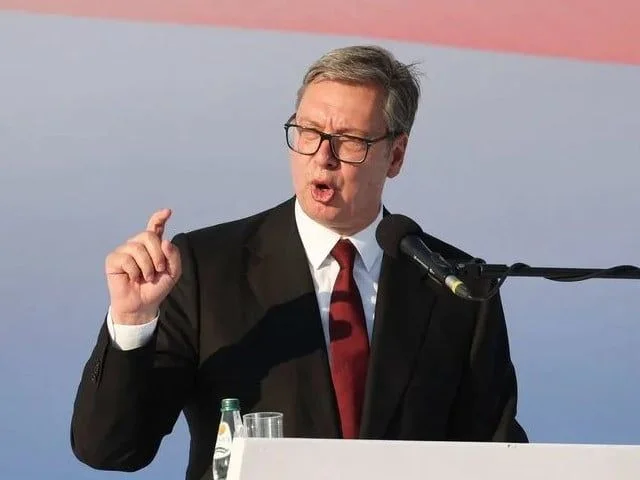
Serbian President Aleksandar Vucic announced his resignation on Saturday during a massive Belgrade rally, calling early presidential and parliamentary elections. The surprise decision follows 18 months of persistent, student-led anti-government demonstrations sparked by a deadly railway infrastructure disaster. Vucic plans to rebrand his party’s electoral coalition to secure a decisive victory.
Key Highlights
- President Aleksandar Vucic will resign within weeks, cutting short his mandate due to expire in mid-2027.
- The announcement triggers snap presidential and parliamentary elections, though exact dates remain unconfirmed.
- The political maneuver follows 18 months of intense, student-led anti-corruption protests across Serbia.
- Vucic proposed renaming the ruling party’s electoral coalition list to “United Serbia” for the upcoming vote.
The Serbian Progressive Party (SNS) rally titled “Serbia, One Family” concluded on Saturday evening after 7 p.m. on the plateau in front of the Serbian Parliament in Belgrade. Attendees began to disperse after President Aleksandar Vučić’s speech, leaving trash behind, N1 reported.
The event began before noon with children’s activities near the MTS Hall, separate from the main rally site. Streets around the Parliament had been closed to traffic since the previous morning, with traffic and intervention police deployed in the area. The Interior Ministry stated that around 207,000 citizens attended the gathering organized by the “Movement for Nation and State.”
Held on the eve of Vidovdan – Serbia’s highly symbolic national and religious holiday commemorating the 1389 Battle of Kosovo and embodying themes of sacrifice, unity, and national resilience – the rally served as a powerful show of strength ahead of anticipated elections.
The rally comes amid ongoing student-led anti-government protests that erupted in late 2024 following the deadly collapse of a railway station canopy in Novi Sad, which killed 16 people and triggered widespread demands for accountability, anti-corruption measures, and early elections.
In his address, Vučić announced that he would submit his resignation as President of Serbia in the coming days and weeks. He proposed – and the party accepted – that the SNS electoral list for the upcoming elections (date still unknown) be named “United Serbia,” describing it as the most beautiful possible motto.
He urged supporters to secure the biggest and most convincing victory yet, saying: “We will defeat them, we will celebrate that one night, and it will happen much faster than you think.” He thanked coalition partners for standing by the SNS and helping to build up Serbia, and offered to assist the party, led by Miloš Vučević, in winning the people’s trust if they wished.
A notable attraction at the event was the appearance of two humanoid robots named Milutin and Dragutin, dressed in traditional Serbian attire, which performed the folk dance Moravac.
It remains unclear whether Vučić intends to return as President or instead take the position of Prime Minister. His current presidential term formally ends in 2027.
Vučić stressed the need for unity over division, noting attempts to separate generations and extending a call to all. He reaffirmed that Serbia remains on the European path while making its own independent decisions, and that it will not abandon friendships with China and Russia even in difficult times.
He condemned attacks on SNS offices and supporters over the past year and a half but called for no revenge or revanchism, instead urging dialogue despite differing opinions. He closed by expressing confidence that the night would pass without overturned containers or burned buildings.
This latest resignation announcement fits a familiar pattern. As we noted in our earlier analysis, such statements often represent a calculated move to reshape the political landscape and extend influence at a time when the opposition remains fragmented and poorly organised, rather than a concession to protest pressure.
The article in Serbian by EUalive’s partner BETA can be found here.
Future Outlook
Political analysts suggest Vucic’s resignation is not an exit from Serbian politics, but a strategic realignment. By stepping down, Vucic can legally run for the office of Prime Minister, allowing him to retain absolute control over the government if the SNS wins the parliamentary vote. This mirrors historical maneuvers where power effectively follows Vucic rather than his specific job title. He is widely expected to orchestrate the ascent of a loyal ally to the presidency, effectively consolidating his legislative and executive influence while catching a fragmented opposition off-guard.
FAQs
Why did Serbian President Aleksandar Vucic announce his resignation?
President Vucic announced his resignation following 18 months of student-led anti-government protests. The demonstrations intensified significantly after a railway station canopy collapsed in Novi Sad, resulting in 16 fatalities and sparking widespread outrage over institutional corruption and public infrastructure mismanagement.
What is “United Serbia” in the context of the upcoming elections?
“United Serbia” is the official name proposed by Vucic and accepted by the Serbian Progressive Party (SNS) for their coalition electoral list in the upcoming snap elections. Vucic described the phrase as an essential motto to promote national unity over political division.
Will Aleksandar Vucic retire from Serbian politics completely?
No, political experts indicate that Vucic is highly unlikely to retire. His resignation enables him to contest the early parliamentary elections to potentially become Prime Minister, a move that would preserve his hold on state power while placing a political ally in the presidency.