US-Iran Geneva Summit Amid Strait of Hormuz Closure Dispute
US-Iran Geneva Summit Amid Strait of Hormuz Closure Dispute
Diplomats from Washington and Tehran are convening in Switzerland to initiate critical security discussions, operating under a fragile regional truce while actively disputing whether a vital global energy transit route has been shut down by Iranian paramilitary forces.
Key Highlights
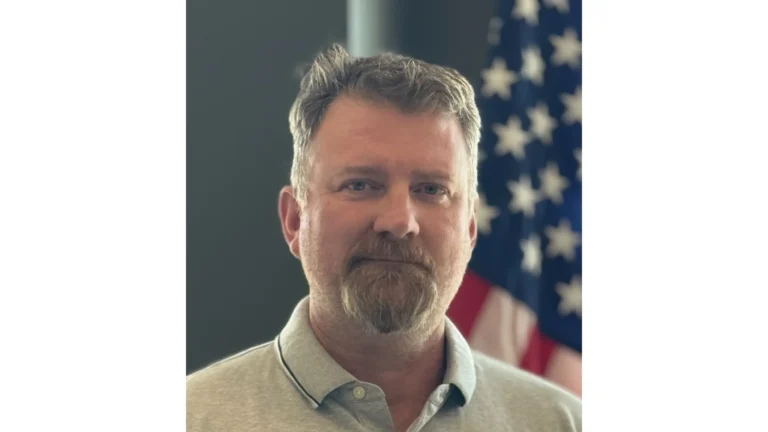
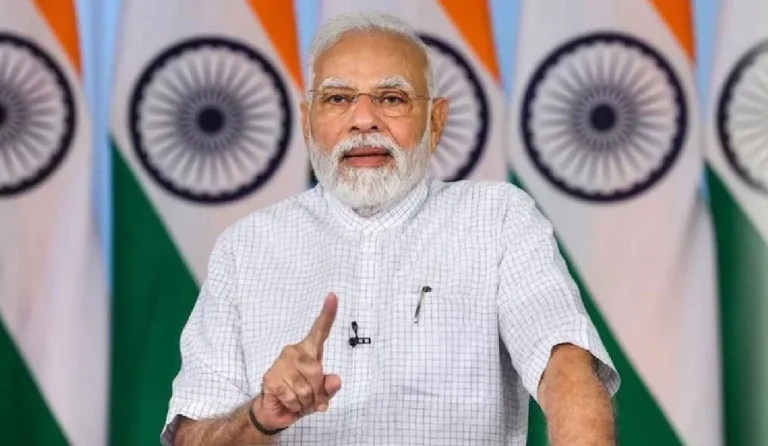
- High-level delegations led by US Vice President JD Vance and Iranian chief negotiator Mohammad Baqer Qalibaf have arrived in Switzerland for mediated discussions.
- The Strait of Hormuz became a point of immediate contention after the IRGC declared it closed, a claim directly denied by US Central Command.
- A fragile 60-day ceasefire linked to the conflict in Lebanon serves as the foundational backdrop for these critical bilateral negotiations.
- Qatari and Pakistani mediators are actively participating in the technical-level proceedings held in the Swiss resort town of Burgenstock.
Negotiators representing the United States and Iran are preparing to open diplomatic talks in Switzerland on June 21, 2026. The Iranian contingent has established its presence on the ground, while US Vice President JD Vance travels to the European nation for meetings scheduled to commence on Sunday.
A senior diplomatic team from Tehran arrived in Switzerland on Saturday, according to Iranian state media outlets. Concurrently, Vance departed from Washington to participate in the bilateral sessions, which Pakistani officials confirmed would begin over the weekend.
These high-stakes diplomatic maneuvers are unfolding against a backdrop of acute volatility concerning a vital maritime corridor. Although Washington and Tehran previously consented to a 60-day truce to allow for diplomatic engagement, Iran’s Islamic Revolutionary Guard Corps declared the strategic waterway closed on Saturday.
Conversely, the United States military released statements asserting that international commercial shipping operations were proceeding without interruption through the passage.
The maritime dispute threatens to severely impede diplomatic efforts to advance a provisional accord orchestrated by Pakistan. That initial memorandum of understanding was signed on Wednesday by US President Donald Trump and Iranian President Masoud Pezeshkian to halt nearly four months of intense military conflict.
HORMUZ DISPUTE RAISES STAKES
The IRGC justified its maritime blockade by citing recent Israeli military operations in Lebanon and accusing Washington of failing to fulfill its specific ceasefire obligations. The paramilitary organization issued explicit warnings to international vessels to alter their courses and avoid entering the strategic channel, which serves as a primary conduit for global oil and natural gas distributions.
In response, US Central Command disclosed that 55 merchant vessels successfully transited the international waterway on Saturday, transporting more than 17 million barrels of petroleum products and assorted commercial cargo. American military officials emphasized that their naval assets would remain deployed to guarantee the unhindered flow of global commerce.
The Iranian negotiating team is under the direct leadership of parliamentary speaker Mohammad Baqer Qalibaf. The delegation incorporates Foreign Minister Abbas Araqchi alongside high-ranking security officials, central bank executives, and energy ministry administrators.
The American contingent is comprised of Vice President Vance, special diplomatic envoy Steve Witkoff, and presidential adviser Jared Kushner, who had already initiated preliminary technical sessions.
Iranian Foreign Ministry representative Esmaeil Baghaei noted that Tehran intends to utilize the Swiss summit to enforce compliance regarding prior Western diplomatic commitments. He publicly emphasized what Tehran characterizes as a historical pattern of Washington failing to respect international agreements.
Vance maintained an optimistic posture regarding the longevity of the active truce, stating to media personnel that American intelligence had detected no operational verification supporting Iran’s claims of a physical maritime blockade.
The US Vice President commenced his flight to Switzerland shortly after 4:00 p.m. ET on Saturday, projecting that the respective diplomatic teams would engage in several consecutive days of intense negotiations.
“I think we’re going to hopefully make progress on the nuclear issue, make progress on the Lebanon ceasefire issue,” Vance stated to reporters prior to his departure.
FRAGILE LEBANON CEASEFIRE
Implementing a comprehensive cessation of hostilities within Lebanese territory was established as a primary prerequisite for launching these broader bilateral discussions regarding Tehran’s nuclear capabilities. Nevertheless, the local truce remains exceptionally unstable, as Lebanon’s Civil Defence reported that Israeli military strikes killed 20 individuals on Saturday, occurring merely hours after the ceasefire took effect.
Government officials in Jerusalem asserted that their aerial operations were conducted in direct response to projectile attacks launched by Hezbollah. Meanwhile, the leadership of the political group stated they would refuse to permit Israeli defense forces unilateral freedom of movement inside sovereign Lebanese borders.
Israel remains entirely independent of the bilateral US-Iran memorandum of understanding and has formally stated its intention to maintain an active defense infrastructure inside captured Lebanese sectors. Reports from Israeli broadcaster Channel 12 indicated that Prime Minister Benjamin Netanyahu and Defence Minister Israel Katz commanded frontline units to cease offensive actions but strictly forbidden them from withdrawing from occupied zones.
An empirical survey conducted by the Hebrew University revealed that 92% of Israeli citizens believe the Islamic Republic of Iran derived greater strategic advantages from the recent joint US-Israeli military campaign than domestic forces.
Furthermore, approximately 90% of respondents stated the underlying strategic goals of the military campaign remained unfulfilled, while more than 70% expressed explicit skepticism regarding government claims of decisive battlefield achievements.
Lebanon’s state-run National News Agency reported that Israeli combat aircraft and unmanned aerial vehicles executed strikes targeting infrastructure across southern Lebanon and the Bekaa Valley, areas traditionally recognized as operational centers for Hezbollah.
An official military spokesperson for Israel stated that Hezbollah cells launched more than 50 projectiles at defense positions overnight, which triggered immediate retaliatory operations against suspected infrastructure assets.
The Israel Defense Forces affirmed their structural alignment with the terms of the temporary truce but reiterated their readiness to execute defensive operations against any immediate security threats to their personnel.
The Lebanese Ministry of Public Health disclosed that 4,057 individuals have been killed in localized military actions since March 2, 2026, a figure that includes medical workers and civilians, though the data does not segregate non-combatants from active militia members.
Conversely, Israeli state authorities have confirmed the casualties of at least 32 uniform soldiers and four civilians since the onset of border hostilities with Hezbollah.
SWISS WELCOME FOR IRANIAN DELEGATION
The Federal Department of Foreign Affairs in Switzerland formally acknowledged the arrival of Tehran’s diplomatic representatives ahead of the scheduled neutral-site summit with American authorities in Burgenstock.
Swiss diplomatic officials confirmed via social media channels that the Iranian delegation was transferring directly to the Burgenstock resort complex to commence the practical implementation phases of the newly established bilateral memorandum of understanding.
Future Outlook
The technical-level talks in Burgenstock represent a critical crossroads for Middle Eastern geopolitics and global energy security. If diplomatic representatives successfully navigate the immediate impasse regarding the Strait of Hormuz, these sessions could pave the way for a formalized framework addressing Iran’s nuclear enrichment parameters and longer-term regional stabilization.
However, because key combatants like Israel operate outside this bilateral framework, the durability of any diplomatic breakthrough achieved in Switzerland will remain highly dependent on real-time developments on the ground in Lebanon.
FAQs
Why are the United States and Iran holding talks in Switzerland?
The two nations are utilizing Switzerland as a neutral diplomatic venue to negotiate the implementation of a recently signed memorandum of understanding. The discussions aim to address Iran’s nuclear program and stabilize regional security following months of military conflict.
Is the Strait of Hormuz currently closed to commercial shipping?
While Iran’s Islamic Revolutionary Guard Corps publicly declared the waterway closed, US Central Command denied the claim, reporting that dozens of commercial vessels successfully transited the strait without disruption.
What is the status of the ceasefire in Lebanon?
A temporary truce was established as a prerequisite for the US-Iran diplomatic summit. However, the ceasefire remains highly volatile, with ongoing exchanges of fire reported between the Israel Defense Forces and Hezbollah.
Who is leading the respective diplomatic delegations in Switzerland?
The United States delegation includes Vice President JD Vance, special envoy Steve Witkoff, and adviser Jared Kushner. The Iranian delegation is led by parliamentary speaker Mohammad Baqer Qalibaf and Foreign Minister Abbas Araqchi.