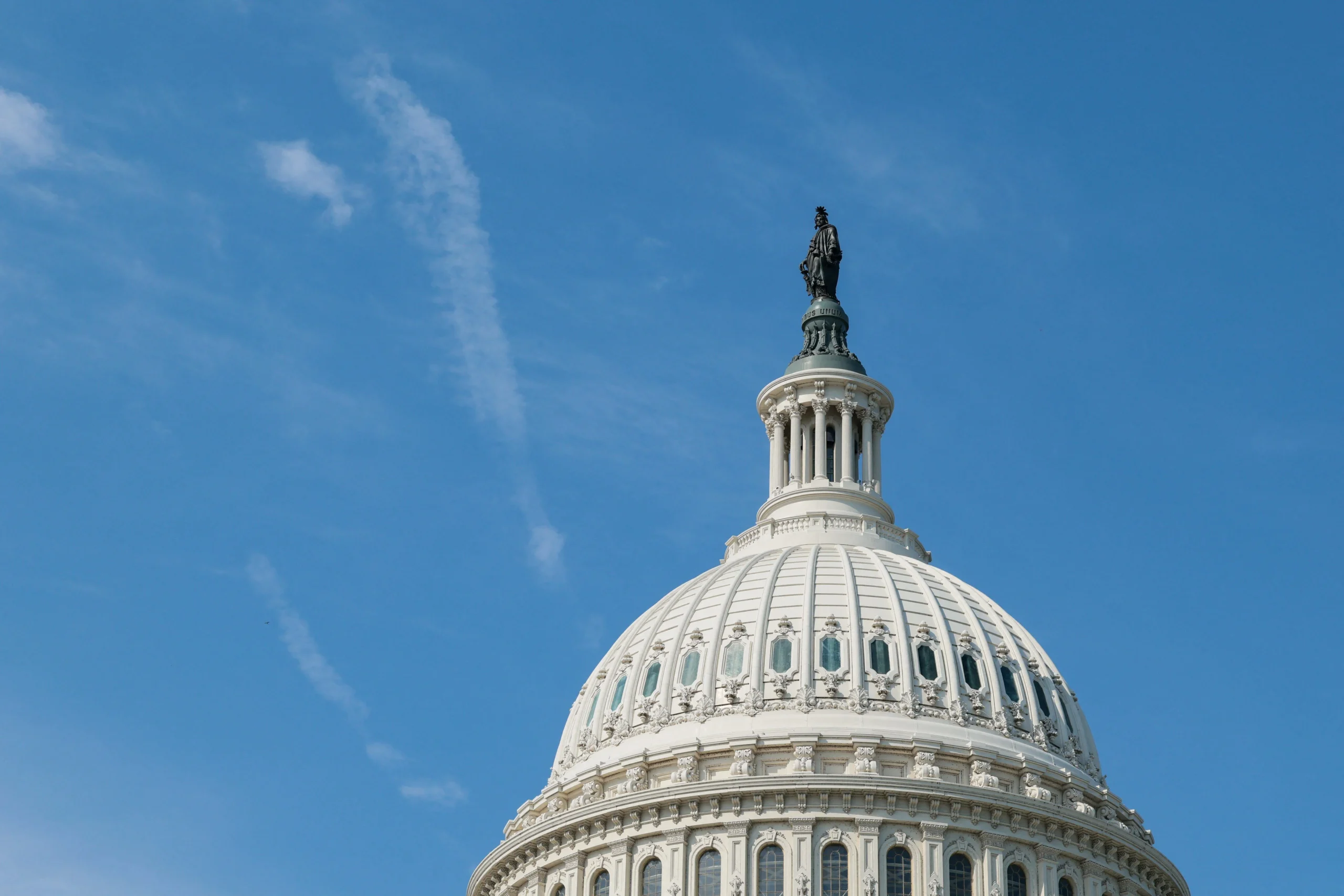
US Government Shutdown Threat Looms as Senate Spending Talks Collapse
Capitol Hill faces a potential federal government shutdown as bipartisan budget negotiations stall ahead of the critical autumn deadline. Lawmakers are racing against the clock to avert a funding lapse that could trigger widespread federal disruptions, just weeks before national elections.
Key Highlights
- Bipartisan spending negotiations broke down during the week of June 22, 2026.
- A potential funding lapse would trigger federal employee furloughs starting October 1, 2026.
- The current impasse occurs less than a year after a historic 43-day complete shutdown.
- Lawmakers face intense re-election pressure with the general election scheduled for November 3, 2026.
The United States government faces another potential shutdown this year if Senate Republicans and Democrats fail to secure a funding agreement for the second consecutive year.
In October 2025, the federal government entered its longest complete shutdown in history. This occurred after President Donald Trump and congressional leaders failed to finalize a financial compromise, adjourning before the September 30 deadline. Both parties rejected opposing offers that would have averted the crisis.
Now, Senate Republicans express growing concern regarding another shutdown after bipartisan spending negotiations collapsed during the week of June 22, 2026. The breakdown resulted from deep policy disagreements and key senators missing from the voting panel.
Senate Appropriations Committee member John Kennedy (R-La.) explicitly blamed the opposition, stating that leadership directed Democrats to reject top-line spending targets and appropriations bills to force a shutdown.
During a government shutdown, nonessential federal workers face temporary furloughs. Meanwhile, essential workers must continue their duties without compensation while Congress debates funding solutions.
Is the United States heading for another government shutdown?
It remains too early to definitively predict if lawmakers will reach an agreement before the September 30, 2026 deadline, which is roughly three months away. However, both legislative chambers acknowledge the risk and are exchanging political blame.
Democratic leaders argue Republicans are pushing a budget that disproportionately prioritizes military allocations. Conversely, Republicans claim Democrats are deliberately engineering a repeat of the 2025 fiscal crisis.
In early February 2026, Congress passed a $1.2 trillion spending package to fund most federal departments through September 30, 2026. That hard-fought deal ended a bitter standoff that left the Department of Homeland Security completely unfunded for 76 days—the longest single department shutdown in American history.
How an election year changes things
With numerous congressional seats contested in November, lawmakers face intense pressure. The political fallout of a budget failure may force a compromise as members prioritize retaining their seats.
Congressional members recognize that the 2025 shutdown caused widespread public anger. If a funding lapse recurs, it will begin October 1, 2026, exactly one month before the nationwide general election on November 3, 2026, severely complicating matters for voters.
When was the longest government shutdown in history?
The federal government has experienced 21 shutdowns over the past five decades. The longest record-breaking disruption occurred from October 1, 2025, to November 12, 2025, lasting 43 days due to disputes over expiring Affordable Care Act subsidies.
When was the first government shutdown?
The modern concept of a government shutdown began in 1976 when President Gerald Ford vetoed a congressional budget bill. Congress overrode the veto on October 1, but the resulting funding gap lasted until October 11.
While that event only closed specific departments, it marked the first funding gap after the passage of the Congressional Budget Act of 1974. The federal government has closed wholly or partially 22 times since 1977.
History of Federal Budget Conflicts
The recurring threat of federal shutdowns stems from the structural design of the Congressional Budget Act of 1974, which established the modern framework for appropriations. Over the past 50 years, budget stalemates have increasingly shifted from localized departmental funding gaps to total government closures used as political leverage. Prior to the historic 43-day crisis of 2025, prolonged shutdowns in 1995, 2013, and 2018 similarly disrupted public services and caused billions of dollars in economic losses.
FAQs
What happens to federal employees during a government shutdown?
During a funding lapse, federal personnel are divided into two categories. Nonessential federal workers are temporarily furloughed and barred from working, while essential workers, such as air traffic controllers and law enforcement, remain on duty without active pay until Congress passes a budget.
When is the deadline for Congress to pass the 2026 budget?
Congress must pass the regular appropriations bills or a temporary continuing resolution by September 30, 2026. If no funding agreement is enacted, a partial or full government shutdown will officially begin on October 1, 2026.
How does a government shutdown impact the general election?
A shutdown beginning in October would disrupt federal services right before the November 3, 2026 election. While voting processes are managed at the state level, a federal closure can delay voter assistance services, impact military absentee systems, and create significant political backlash for incumbent politicians.