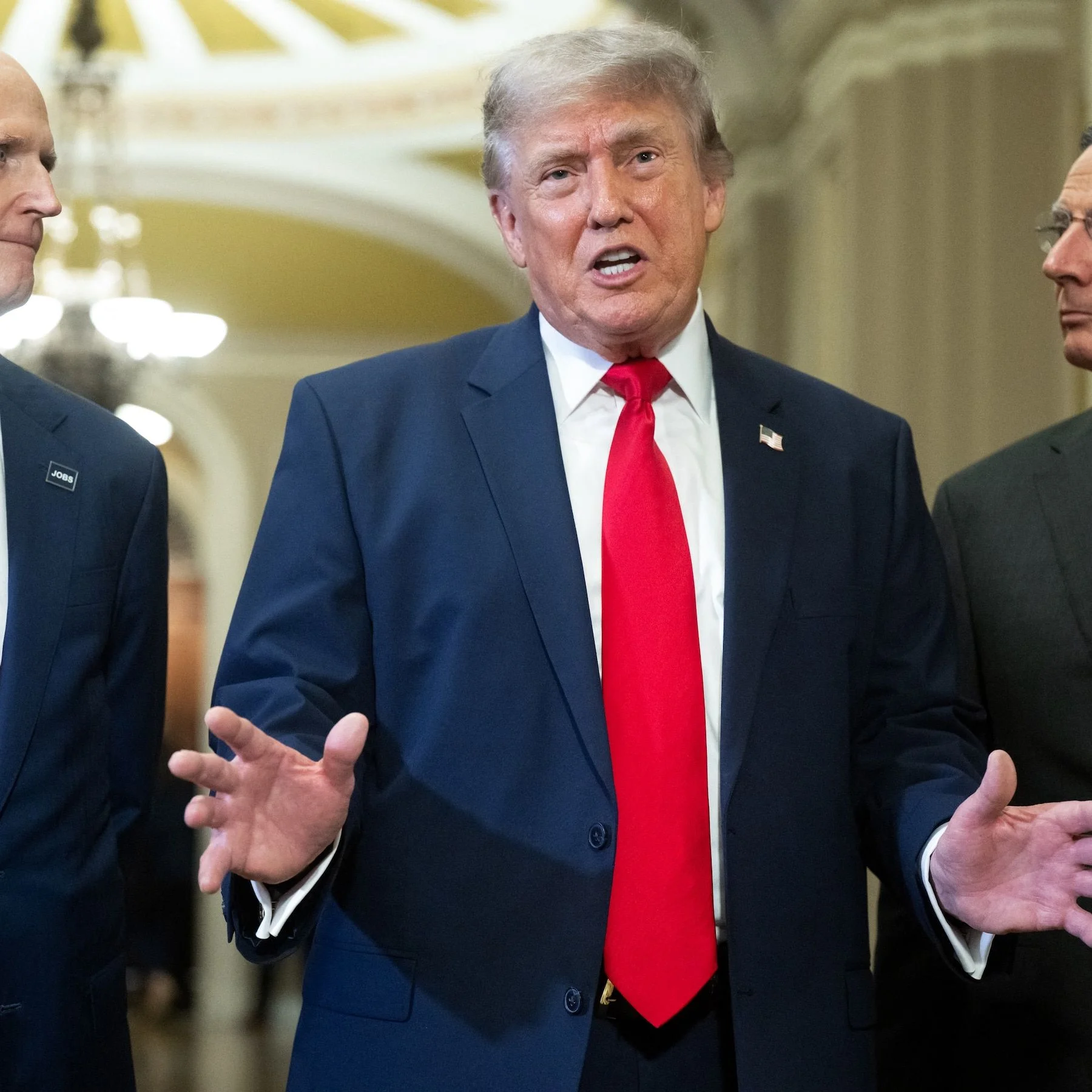
Trump Election Changes Overturned by Courts and Senators
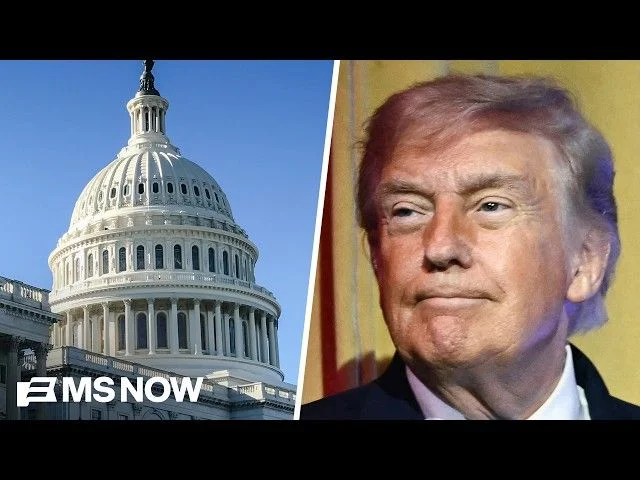
The Trump administration faced immense opposition last week as both legislative and judicial bodies blocked attempts to modify voting procedures. Federal judges and Republican lawmakers countered the executive branch’s maneuvers, protecting access to ballots. Legal experts view these rapid developments as a major check on executive authority regarding state-run elections.
Key Highlights
- Republican senators openly rejected executive plans to alter established election procedures.
- Multiple courts issued consecutive rulings protecting voter access against administration curbs.
- Judges criticized the administration’s legal strategies as direct threats to voting rights.
- Public consensus shows heightened skepticism toward ongoing claims of systemic voter fraud.
Efforts by the administration to modify the execution of upcoming elections encountered a massive wave of obstruction last week. High-ranking Republican senators openly declined to support the executive strategy. Simultaneously, a succession of judicial decisions successfully blocked federal plans designed to alter local voting systems.
One presiding judge noted that the administration intended to systematically weaken the foundational right of citizens to cast their ballots. Legal challenges mounted rapidly across multiple jurisdictions, preventing policy implementation.
Public feedback reveals deep-seated suspicion and intense condemnation regarding allegations of widespread ballot fraud. Many citizens view these institutional changes as direct attempts to manipulate voting outcomes. Observers frequently indicate that the administrative overhauls were designed primarily to secure political continuity.
Historical Context
The administration’s focus on restructuring voting frameworks follows years of intensifying debates over ballot security and access. Historically, states maintain primary control over election administration, making federal intervention rare and legally complex. Analysts suggest the coordinated resistance from judges appointed by various administrations reflects a deep judicial commitment to standard constitutional protections.
FAQs
Why did the election changes face legal blocks?
Federal courts determined that the administration’s proposed changes would unfairly restrict voter access and undermine established state voting rights. Judges ruled that the policies lacked sufficient legal justification and threatened constitutional protections.
How did Republican senators respond to the proposals?
Republican senators distanced themselves from the administration’s strategy, refusing to advance legislative changes that would alter state election protocols. This legislative pushback created a significant barrier within the president’s own party.
What was the public reaction to these executive efforts?
Public commentary indicates widespread skepticism regarding allegations of voting fraud. Citizens and voting rights advocates heavily criticized the administration, characterizing the policy shifts as attempts to influence election outcomes.