Severe Weather Alerts Issued for Heavy Rainfall and Extreme Heat Across India The India Meteorological Department has is…
Severe Weather Alerts Issued for Heavy Rainfall and Extreme Heat Across India The India Meteorological Department has issued urgent weather warnings, projecting heavy rain and landslides in the northeast alongside persistent heatwaves in the northern plains. Monsoon, India Weather, IMD Alert heavy-rain-heat-wave-alert-india IMD, Weather, Monsoon, Heatwave, Rainfall, India, Forecast environment
The India Meteorological Department (IMD) has issued critical weather warnings for Friday, June 26, 2026, forecasting intense monsoon rainfall and landslide risks across northeastern states, contrasted by severe heatwave conditions persisting through the northern plains.
Key Highlights
- Assam and Meghalaya face the highest risk of torrential downpours, flash floods, and landslides.
- Severe thundersqualls with wind speeds up to 60 kmph are predicted to hit Bihar.
- East Uttar Pradesh remains under a strict heatwave warning with temperatures crossing 44 degrees Celsius.
- The southwest monsoon is projected to advance further into central and northern states in the coming days.
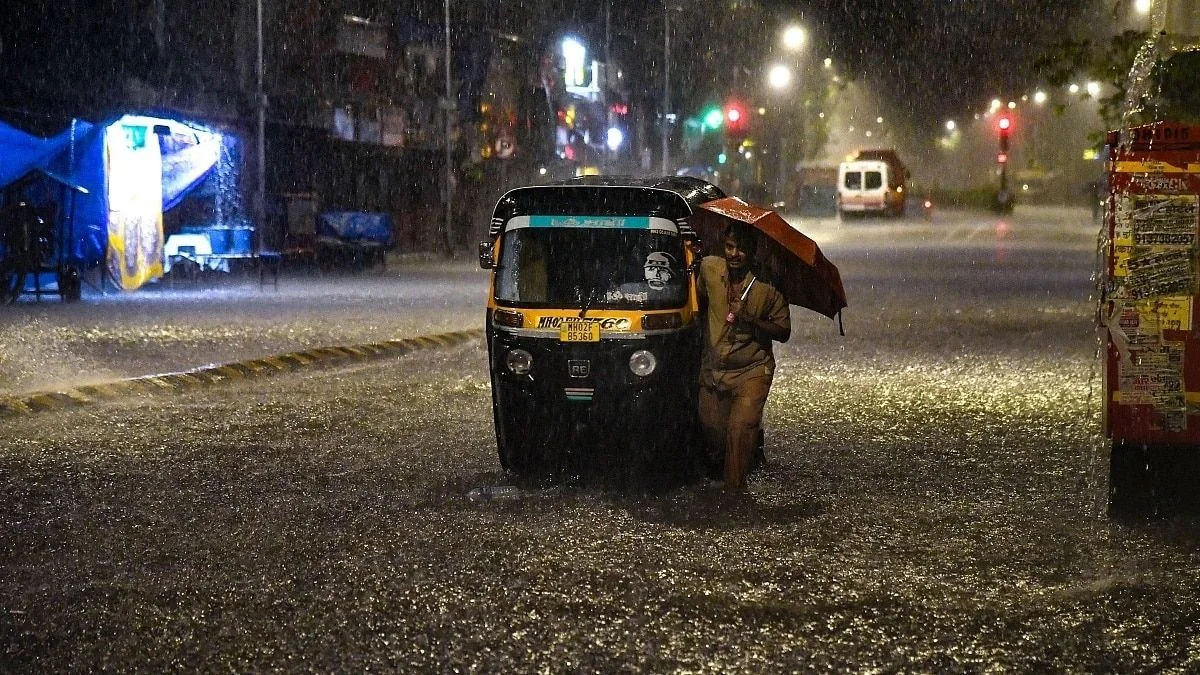
The southwest monsoon is gathering significant momentum across the nation, creating a stark geographical divide between extreme precipitation and unrelenting thermal duress on Friday, according to the India Meteorological Department (IMD).
The most severe precipitation is expected to strike Assam and Meghalaya, where meteorologists anticipate exceptionally heavy rainfall across isolated zones.
Concurrently, east Uttar Pradesh remains under an official heatwave advisory as the northern plains endure intense summer conditions.
Heavy downpours are also anticipated across Arunachal Pradesh, Sub-Himalayan West Bengal, Sikkim, Nagaland, Manipur, Mizoram, Tripura, Chhattisgarh, Jharkhand, Odisha, Telangana, coastal Andhra Pradesh, coastal Karnataka, Konkan, Goa, and Madhya Maharashtra.
This weather pattern is driven by humid vectors blowing from the Arabian Sea and the Bay of Bengal, which elevate rapidly upon encountering mountainous terrain, squeezing moisture from the atmosphere. This process substantially escalates the probability of debris flows and sudden inundations across northeastern and Himalayan gradients.
STORMS AND LIGHTNING
The weather bureau has issued warnings for severe convective storms over Bihar, with velocity metrics reaching between 50 and 60 kmph.
Atmospheric instabilities, electrical discharges, and high-velocity wind displacements are also projected to impact Delhi, Haryana, Punjab, Rajasthan, Jharkhand, Madhya Pradesh, Maharashtra, West Bengal, Sikkim, Andhra Pradesh, and the Andaman and Nicobar Islands.
Electrical discharges pose a severe threat during this period, frequently developing into the primary safety hazard even in areas where precipitation is moderate.
HEAT REFUSES TO LET GO
Climatological relief remains absent for several regions. The advisory for east Uttar Pradesh indicates that extreme thermal conditions could persist for multiple days.
The severity of this climate pattern was demonstrated on June 24, when Banda in Uttar Pradesh registered a maximum temperature of 44.2 degrees Celsius, marking the highest reading nationwide for that day.
This fragmented distribution exemplifies classic monsoon dynamics, where localized precipitation cools active zones while pending regions experience sustained thermal pressure.
Furthermore, maritime warnings have been deployed over sections of the Arabian Sea and the Bay of Bengal, encompassing coastal waters off Maharashtra, Goa, south Gujarat, north Odisha, and the northwest Bay of Bengal, impacting commercial shipping and fishing operations.
The meteorological agency indicates that the monsoon system is on track to penetrate deeper into Gujarat, Madhya Pradesh, Chhattisgarh, Jharkhand, Bihar, and Uttar Pradesh over the immediate horizon.
Future Outlook
Climatologists indicate that the current volatile distribution of weather extremes—simultaneous flooding and heatwaves—reflects shifting structural patterns in the subcontinental monsoon cycle. Over the next week, the low-pressure systems forming over the Bay of Bengal are expected to stabilize the moisture flow, gradually lowering temperatures in the northern plains as the precipitation belt expands westward. Emergency management agencies remain on high alert across the northeastern states to mitigate the escalating infrastructure risks associated with recurring high-volume rainfall events.
FAQs
Which states face the highest risk of flash floods and landslides?
Assam and Meghalaya are under critical warnings for the heaviest rainfall, making their hilly terrains highly susceptible to landslides and flash floods. Other northeastern states like Arunachal Pradesh, Nagaland, and Sikkim also face heightened environmental risks.
What was the highest temperature recorded during this current heatwave?
Banda in Uttar Pradesh documented the highest temperature during this spell, reaching 44.2 degrees Celsius on June 24.
What are the safety recommendations for the coastal regions?
The IMD has issued squally weather alerts for the Arabian Sea and the Bay of Bengal, warning fishermen, maritime operators, and shipping vessels to avoid entering the waters off Maharashtra, Goa, south Gujarat, and north Odisha.