Senate Democrats Launch Election Observer Program for 2026 Midterms
Senate Democrats are establishing a specialized initiative to station instruction-vetted personnel at polling stations nationwide. This unprecedented legislative operational deployment aims to safeguard voting integrity and counter anticipated structural disruptions during the high-stakes 2026 midterm election cycle.
Key Highlights
- Senate Democrats are establishing their first-ever formal monitoring network to deploy qualified staff to sensitive polling stations.
- The initiative responds directly to executive threats concerning state-level voting administration and federal funding cuts.
- Volunteer monitors will focus exclusively on battleground states with highly competitive legislative races.
- Observers are prohibited from manipulating ballots, managing local operations, or performing partisan campaign advocacy.
The strategy underscores deepening anxieties within the legislative caucus regarding executive overreach into state-level voting systems. Friction intensified this week when the administration conditioned a bipartisan housing package on Senate approval of the SAVE America Act, which imposes strict federal identification mandates.
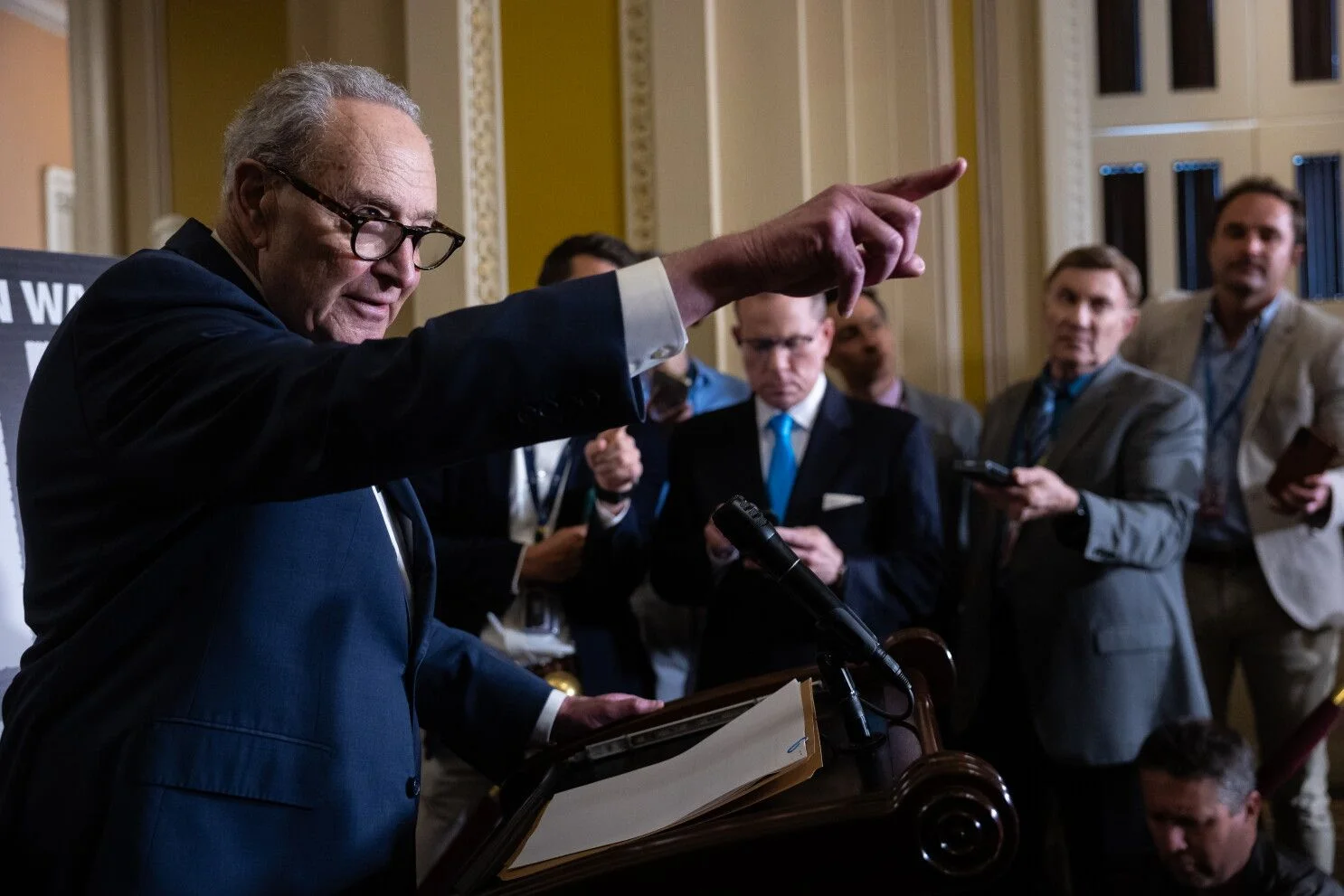
“Threats to the 2026 election are not hypothetical, they’re happening in real time,” Senate Minority Leader Chuck Schumer stated during a Thursday briefing. “We’re not waiting for the chaos to arrive. We’re preparing now.”
Orchestrated by Senator Alex Padilla of California alongside Schumer, the mechanism marks a historic shift for the upper chamber. The framework trains Capitol Hill personnel to identify local disruptions, intimidation, and false narratives, reporting directly back to Washington leadership. Schumer clarified that these delegates will not handle ballots or administer localized voting routines.
“We haven’t finalized or decided on the specific locations, but I’m sure one of the biggest considerations will be where we anticipate close contests,” Padilla noted. He observed that minimal interference or voter harassment could yield an architectural shift in razor-thin electoral outcomes.
Congressional aides indicated that the task force intends to enlist and prepare congressional volunteers over the coming months. The primary operational deployment will focus heavily on contested Senate races during the general election phase.
The program expands upon the Election Protection Task Force established in April. That group formed to counter legislative voter-identification pushes and address concerns that executive branches might deploy unauthorized federal personnel to local voting jurisdictions.
The lower house has utilized a comparable oversight framework for several decades, according to Padilla.
The executive branch has sought tighter control over state-level citizenship verification, threatening to freeze Department of Homeland Security resources for non-compliant states. Additionally, federal interventions have touched ballot repositories in Fulton County, Georgia, alongside administrative pushes to restrict mail-in access via executive orders.
While judicial interventions have checked several executive initiatives, ongoing pressure via legislative blockades and funding threats continues to stress state authorities.
“The president of the United States is clearly laying the groundwork to try to interfere with the midterms and undermine confidence in any election results that he is not happy about,” Padilla remarked. He asserted that constitutional authority over election timing and methodology resides firmly with Congress.
Future Outlook
The strategic deployment of Senate observers comes as polling data highlights incredibly tight margins in critical battlegrounds. In Ohio, data from June 2026 shows incumbent Democrat Sherrod Brown holding narrow leads of 3% to 4% against challenger Jon Husted, who previously led some spring polls by up to 6%.
Concurrently, the Texas Senate race reflects an absolute deadheat. Recent YouGov and Siena University data shows the race tied or sitting at a marginal 1% advantage for incumbent Ken Paxton, following earlier spring polling that favored Democratic challenger James Talarico by 7% to 13%. These razor-thin margins underscore why Democratic leadership is prioritizing battleground observation.
FAQs
What is the purpose of the Senate Election Observer Program?
The program trains and deploys volunteer congressional staff to monitor polling places during the 2026 midterms. The goal is to identify and document instances of voter intimidation, interference, or misinformation in highly competitive states.
Will these Senate observers count ballots or run local polling stations?
No. Senate observers are strictly prohibited from counting votes, running election infrastructure, or participating in active campaign advocacy for any specific candidate.
Which states will the election observers target?
While final jurisdictions have not been officially locked in, leadership confirmed that staff will be sent to states featuring the most competitive, close-margin Senate contests.
What sparked the creation of this monitoring program?
The initiative grew out of the Election Protection Task Force formed in April. It serves as a direct response to executive policy shifts, proposed federal voting restrictions, and threats to withhold security funding from non-compliant states.