Air India Cuts International Crew Laundry to Curb Losses
Loss-making carrier Air India has officially notified its flight crews that routine professional laundry privileges during international layovers will be terminated beginning next month. The decision comes as the management introduces aggressive austerity measures to reverse multi-crore fiscal deficits and stabilize operational cash outflows.
Key Highlights
- Air India will eliminate free laundry services for international flight crews effective July 1, 2026.
- The policy adjustment follows an estimated annual loss of ₹27,000 crore for fiscal year 2026.
- Room irons and ironing boards will replace the long-standing corporate travel amenity.
- Parent entity Tata Sons has implemented weekly operational reviews to monitor expenses closely.
This cost-cutting maneuver could potentially spark a wave of discontent extending from ground operations to the skies. The financially strained carrier has notified its flight personnel that the regular availability of laundry services during international layovers will be discontinued starting July 1, 2026. Conversely, these services will remain active during domestic stopovers.
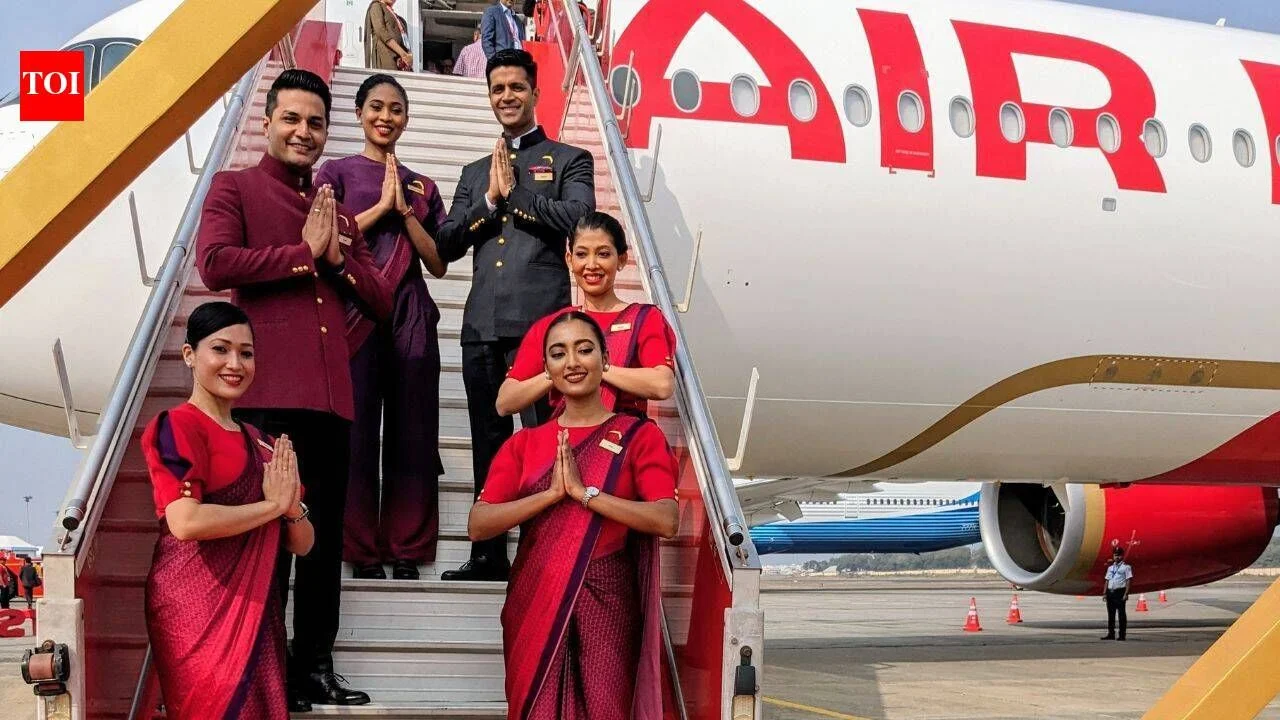
Pilots and cabin crew members routinely utilize hotel laundry amenities during overseas stays. This practice ensures they commence their subsequent flights with crisp, immaculate uniforms, projecting a professional aesthetic. Flight personnel serve as vital brand ambassadors while navigating global transit hubs. However, with the group absorbing massive deficits last fiscal year, all operational outlays face intense scrutiny. Consequently, the overseas uniform cleaning benefit terminates next Wednesday.
Management acknowledged the friction this directive creates, noting in an internal memo to pilots that it represents a departure from a long-standing protocol. The administration stated it recognizes that the workforce may require an adjustment period to adapt to the new framework.
To soften the impact on crew members, the official correspondence highlights that replacement provisions have been secured. In-room irons and ironing boards will be deployed across all international layover properties. Furthermore, crew members who anticipate a shortfall in their wardrobe rotation are permitted to request additional uniform pieces via an online internal link. Employees must coordinate their luggage packing ahead of future deployments.
Management has established a singular exemption to the global restriction. Laundry provisions will be authorized exclusively during unexpected flight diversions or when personnel are stationed abroad for simulator sessions and technical classroom training duties.
The decision has left numerous employees questioning whether they must now travel with personal wash basins, laundry detergents, and drying lines to maintain their uniforms during international layovers. Internal pushback has grown visible. In direct replies to the policy memo, multiple pilots observed that the rollback appears to undermine the long-term competitive strategy established by outgoing chief executive Campbell Wilson to challenge premier Gulf carriers like Emirates, Etihad, and Qatar Airways.
A segment of the workforce remains deeply puzzled by the corporate direction. A senior crew member questioned the operational expertise driving the strategy, suggesting management should focus on systemic operational leaks rather than marginalizing frontline benefits. The employee noted that executing minor budget cuts on uniform care is unlikely to elevate the brand to a world-class status.
The policy shift has prompted veterans to recall historical precedents. Airline pioneer J.R.D. Tata emphasized to staff in 1970 the necessity of maintaining a balance between operational oddities and premium brand presentation. While those original remarks guided uniform design choices, senior employees now intend to reference that organizational philosophy during upcoming discussions with management regarding the laundry decision.
Financial Strain and Cost-Cutting
The withdrawal of overseas cleaning benefits aligns with a broader corporate campaign to mitigate severe fiscal pressures. The airline recorded estimated losses reaching ₹27,000 crore for the fiscal year concluding March 2026. This deficit stems from elevated aviation turbine fuel prices, regional geopolitical conflicts affecting Middle Eastern corridors, and prolonged airspace closures. To weather these adverse conditions, the company has suspended annual performance raises and is vetting all discretionary spending to restore balance sheet health.
Direct Oversight from Tata Sons
The deep financial vulnerabilities have forced holding company Tata Sons to intensify its corporate governance. Group Chairman N. Chandrasekaran has instituted weekly operational assessments to maintain rigorous tracking of fiscal performance metrics. This heightened intervention coincides with a critical managerial transition as the organization prepares for the formal departure of CEO Campbell Wilson. Executive leadership is attempting to navigate a dual path, balancing an expensive long-term modernization plan involving new aircraft orders with immediate cash conservation goals.
The Operational Balancing Act
The cancellation of standard hospitality perks has triggered internal friction, with employees warning that the measure compromises the premium presentation required to rival legacy international competitors. Preserving an elite market reputation remains a central objective for the Tata ownership group. However, the current economic environment has forced executives to prioritize immediate cash preservation over secondary crew amenities. Striking a sustainable equilibrium between brand maintenance and aggressive cost containment represents a central challenge for the current executive team.
What Investors Should Track
Although the airline remains a closely held unlisted entity, its financial stabilization serves as a major indicator for the broader capital distribution strategies of Tata Sons. Market analysts monitoring related listed Tata enterprises are closely observing the turnaround narrative. Key milestones include the appointment of a successor chief executive, the normalization of global flight networks, and sequential reductions in quarterly losses. Future capital expenditure modifications or adjustments to route networks will signal how the group manages broader macroeconomic headwinds facing global aviation.
History of Air India’s Brand Philosophy
The tension between cost containment and brand prestige has historically defined the carrier’s corporate narrative. Founded in 1932 as Tata Airlines before its nationalization, the airline became globally renowned for luxury and meticulous service standards under J.R.D. Tata. The “Maharaja” mascot, introduced in 1946, came to symbolize elite hospitality. Following the landmark privatization in 2022 which returned the carrier to Tata Sons, the conglomerate committed billions of dollars toward fleet modernization and service upgrades to reclaim its premium global market share. The current fiscal constraints highlight the structural challenges of executing a luxury transformation while absorbing significant legacy operational debts.
FAQs
Why is Air India stopping international crew laundry services?
The airline is terminating the service effective July 2026 as part of an aggressive cost-cutting drive to address severe financial strain, following an estimated annual loss of ₹27,000 crore in fiscal year 2026.
Will domestic flight crew laundry services also be cancelled?
No, the policy change applies strictly to international layovers. Professional laundry services for pilots and cabin crew during domestic layovers will continue without modification.
How are Air India crew members expected to maintain their uniforms abroad?
The airline has arranged for hotels to place irons and ironing boards in all crew rooms. Additionally, crew members can request extra uniform items through an internal company link to assist with layover planning.
Are there any exceptions to the new international laundry ban?
Yes, professional laundry facilities will still be provided during unexpected flight diversions and when crew members are stationed internationally for simulator or classroom training duties.