RSS Urges India Pakistan People To People Ties As Diplomatic Talks Fail
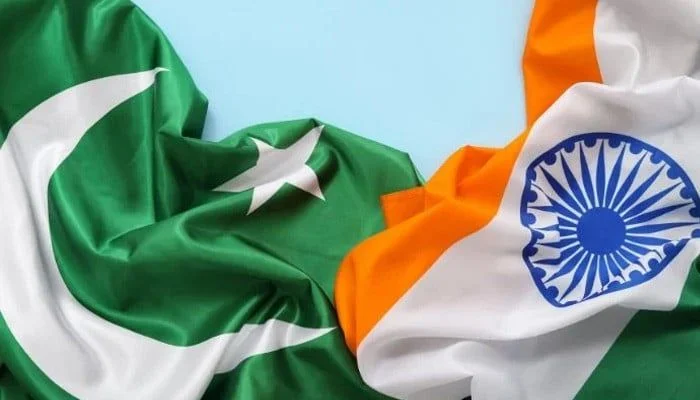
The Rashtriya Swayamsevak Sangh has urged the cultivation of direct civil society ties between India and Pakistan. This recommendation follows assertions by the organization that traditional diplomatic discussions between the two neighboring governments have completely failed to yield positive results.
Key Highlights
- RSS leader Sunil Ambekar states that official dialogues between state agencies have collapsed.
- The organization clarifies that top leaders are promoting public connections rather than state diplomacy.
- Foreign policy decisions during conflicts remain under the strict purview of the central government.
- Cross-border medical travel and bilateral trade are highlighted as avenues to sustain shared heritage.
Sunil Ambekar, the publicity chief of the Rashtriya Swayamsevak Sangh, recently advocated for establishing citizen-centric connections between India and Pakistan. He stated that the bilateral discussions conducted by the respective state authorities have proved unsuccessful.
Ambekar observed that every dialogue involving the governments, military forces, and intelligence agencies has yielded no results up to this point. He expressed that they have abandoned expectations regarding these channels, making direct civilian interactions essential.
The official offered these remarks during a media briefing at the Pune Union of Working Journalists. The event was documented by the Press Trust of India news agency.
He clarified that previous public statements by senior organization figures Dattatreya Hosabale and Mohan Bhagwat focused entirely on civilian ties. He emphasized those comments should not be interpreted as a call for formal state-level engagement.
The communications head noted that the remarks from the Sarsanghchalak centered purely on societal integration. He stated that official state discussions involve intricate international relations, strategic state priorities, and highly delicate bilateral matters.
Ambekar maintained that decisions concerning international relations are best managed by the elected administration. This approach is particularly vital during active geopolitical disputes or non-traditional global circumstances.
He asserted that political factions must unite behind the ruling administration when addressing international challenges. He stated that collective viewpoints should be presented directly to state leaders, who retain ultimate authority on national security.
The representative noted that the organization serves primarily as a cultural and social movement. He stated that it would continue providing its perspectives to state administrators whenever the situation requires.
He pointed out that specific cross-border activities like health-related travel and commercial trade persist. Ambekar suggested that these ongoing structural connections help protect mutual historical and cultural memories.
He concluded that civil society engagement remains vital and must be sustained independently. He emphasized that these efforts should be viewed distinctly from formal state-level political negotiations.
Historical Context of India-Pakistan Relations
Official bilateral talks between New Delhi and Islamabad have faced severe disruptions for over a decade. Formal structured dialogue has remained largely suspended following major cross-border security incidents.
The civil society approach matches previous initiatives aimed at lowering regional tensions through cultural exchange. Track-two diplomacy has historically run parallel to formal state interactions during periods of administrative standstill.
The organization has historically maintained a firm stance on national security boundaries. However, emphasizing civilian ties highlights an alternative framework for maintaining minimal communication channels during prolonged diplomatic freezes.
FAQs
What did the RSS publicity chief say about India-Pakistan relations?
Sunil Ambekar suggested that civilian, people-to-people connections are necessary because formal government-level dialogues have failed to achieve success.
Did the RSS call for official diplomatic talks with Pakistan?
No, the organization clarified that foreign policy and official diplomacy should be left entirely to the government to handle based on national interests.
What examples of ongoing civilian contact were mentioned?
The organization pointed to current interactions such as cross-border medical travel and regular commercial trade as ways to preserve shared cultural memories.