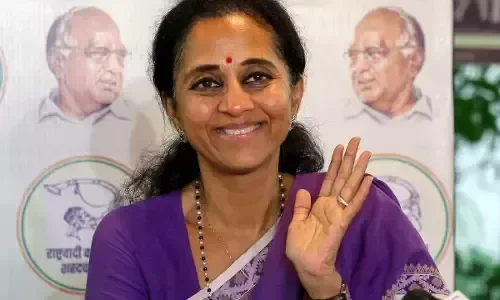
Parliament Bill Aimed at Ending Election Horse Trading
Nationalist Congress Party leader Supriya Sule announced plans to introduce a parliamentary bill targeting electoral horse-trading through voting reforms. Maharashtra Chief Minister Devendra Fadnavis responded, stating public affection outweighs financial influence, though he expressed openness to supporting legislative measures aimed at comprehensive electoral modifications.
Key Highlights
- NCP leader Supriya Sule intends to propose a parliamentary bill to mandate open voting.
- The legislative shift aims to eliminate financial corruption and institutional intimidation.
- The opposition coalition withdrew from the Pune Legislative Council race due to bribery concerns.
- Chief Minister Devendra Fadnavis welcomed electoral reforms but emphasized public goodwill over money.
Mumbai: Nationalist Congress Party leader Supriya Sule indicated on Saturday that she will present a legislative proposal in Parliament to eliminate horse-trading within the electoral framework. The lawmaker advocated for either abolishing these specific elections in their current format or introducing an open voting mechanism. Maharashtra Chief Minister Devendra Fadnavis stated in response that public support is secured through affection rather than financial leverage, though he noted no objection to backing any lawmaker proposing a bill centered on transforming the electoral structure.
The member of parliament stressed that democratic contests must not depend solely on financial power. She further asserted that federal investigative enforcement institutions, including the Central Bureau of Investigation, Enforcement Directorate, and Income Tax Department, should not function as tools to threaten political adversaries.
Sule detailed her legislative strategy, stating that she intends to submit a bill in the legislature to substitute secret ballots with an open show of hands voting protocol for all democratic processes, ranging from local village Sarpanch selections to federal Lok Sabha polls.
Defending her coalition’s strategy regarding the Pune Legislative Council seat, Sule explained that the choice to abstain from the contest was determined collectively by senior leadership across all three constituent parties within the Maha Vikas Aghadi alliance. Following an official strategy meeting, the leadership finalized the withdrawal after receiving detailed reports regarding widespread financial corruption and horse-trading tied to the Pune Legislative Council election.
The political leader alleged that massive financial manipulation occurred during the legislative council voting process, adding that media outlets and the general public observed how the operation was conducted. She affirmed that her organization remains committed to contesting the upcoming state assembly and federal parliamentary elections with maximum organizational strength.
Fadnavis countered the assertions by stating that political authority is earned through public goodwill instead of monetary pressure. The chief minister remarked that when leadership understands how to connect with citizens through authentic relationships, statutory bills become unnecessary, though he remains receptive to any structural proposal targeting systemic electoral changes.
The chief minister stated that if leaders recognize that citizens respond to relationship building rather than financial inducements, such legislative proposals become redundant. However, the leader affirmed he has no opposition to the introduction of a bill focused on upgrading the voting framework, confirming his personal view that the democratic system requires structural modernization.
Future Outlook
The proposed bill highlights growing systemic concerns surrounding indirect elections in India, setting up a potential legislative debate on transparency. While the implementation of a “show of hands” system faces significant constitutional and operational hurdles for large-scale elections, the discourse is expected to influence the strategic positioning of both the Maha Vikas Aghadi and the Mahayuti alliance in the upcoming 2026 Maharashtra Legislative Assembly elections.
FAQs
What is the primary objective of the bill proposed by Supriya Sule?
The proposed parliamentary bill seeks to eliminate financial corruption and horse-trading in elections by replacing the current secret ballot system with an open show of hands voting process across all electoral tiers.
Why did the Maha Vikas Aghadi withdraw from the Pune Legislative Council election?
The opposition alliance chose not to contest the Pune Legislative Council seat following collective leadership discussions regarding reports of extensive financial manipulation and unethical horse-trading surrounding the poll.
What was Chief Minister Devendra Fadnavis’s stance on the proposed electoral reforms?
Chief Minister Devendra Fadnavis stated that public support is won through genuine relationships rather than wealth, rendering such bills theoretically unnecessary, but he welcomed any legislative efforts aimed at reforming the electoral process.