One Nation Recruits Local Leaders for Victoria Election
A major political shift is underway in Victoria as more than a dozen former Liberal, National, and independent local government officials, including active mayors, prepare to contest the upcoming state election under the One Nation banner, signaling a strategic effort to bolster the party’s institutional legitimacy.
Key Highlights
- At least 13 Victorian councillors and sitting mayors are in advanced discussions to run as One Nation candidates this November.
- Coalition leadership has sharply criticized the move, with Opposition Leader Angus Taylor declaring One Nation unfit to govern.
- One Nation is currently vetting over 1,200 applicants to contest 128 state seats amid a documented surge in party popularity.
- High-profile defectors include Gannawarra Shire Mayor Garner Smith, who recently terminated his long-standing membership with the National Party.
In a political development reminiscent of how Reform UK leveraged local government networks to disrupt British politics, multiple former Liberal, National, and independent councillors are organizing to run on the One Nation ticket.
Federal Opposition Leader Angus Taylor has firmly rejected the party’s credentials, stating that One Nation lacks the structural capacity to govern Australia.
Mr. Taylor told reporters that he does not believe the political organization is fit to govern the nation.
He further asserted that the party lacks, and is incapable of developing, a robust economic and governance blueprint.
Meanwhile, more than 12 active municipal councillors across Victoria are locked in formal negotiations with One Nation leadership regarding their candidacies for the November 2026 state election.
Insiders within One Nation confirm that at least 13 former Coalition and independent local officials, including multiple sitting mayors, are finalizing plans to represent the party, replicating recent populist local government strategies executed in the United Kingdom.
This recruitment drive coincides with a massive administrative effort by One Nation to screen upwards of 1,200 prospective candidates, aiming to capitalize on rising poll numbers and contest all 128 legislative seats.
Party strategists labeled the targeted recruitment of established local officials a straightforward decision, noting that these individuals possess proven electoral track records and deep community ties capable of elevating One Nation’s political credibility across Victoria.
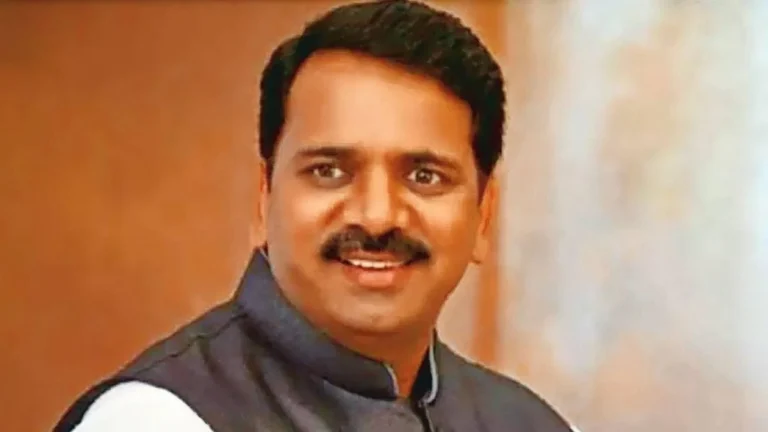
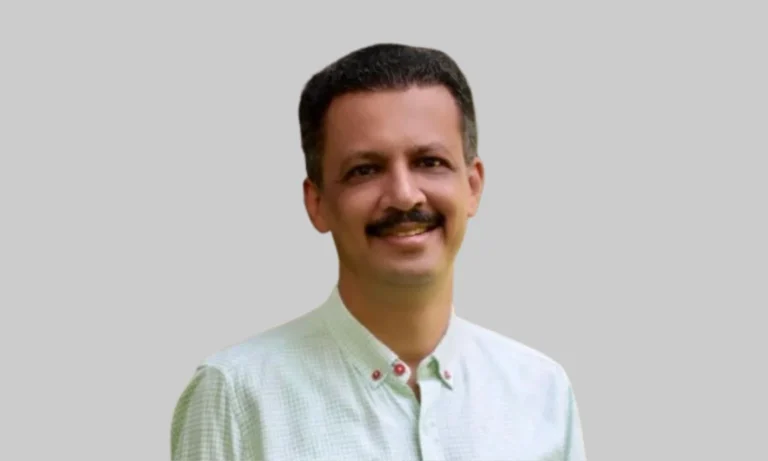
Media photography captured several prominent municipal leaders aligning themselves with the conservative party ahead of the state campaign.
Journalists verified these developments by speaking directly with six of the 13 targeted politicians, all of whom acknowledged that an organized group of local representatives was being actively courted by party emissaries.
A senior municipal politician representing Melbourne’s western suburbs confirmed that multiple colleagues hold party memberships and are discussing potential candidacies, though official announcements remain pending.
Another local representative stated that while final decisions are not yet locked in, the coordinated movement stems from widespread dissatisfaction with the current direction and effectiveness of the Coalition opposition.
The list of prospective candidates features prominent regional leaders, including Gannawarra Shire Mayor Garner Smith, who severed his ties with the National Party earlier this year.
Mayor Smith confirmed he has scheduled a formal candidate screening interview, noting that interviews are progressing through July 2026.
The regional mayor emphasized that despite his established public profile and community standing, he must still clear the party’s formal merit-based vetting procedures.
Furthermore, Mayor Smith revealed that at least 20 other National Party members in his immediate locality have resigned their memberships to join One Nation over the past 12 months, including multiple regional councillors.
He noted that One Nation recognizes the immediate electoral advantage of inheriting candidates who possess pre-existing public recognition and governance experience.
Conversely, certain local officials indicated they remain uncommitted about running, despite ongoing discussions with the One Nation executive regarding campaign logistics.
A metropolitan Melbourne representative explained that even after the mid-July 2026 interview rounds, final participation would depend heavily on the ideological composition of the broader candidate team.
One Nation Victoria President Warren Pickering acknowledged the ongoing high-level discussions with various community figures.
The political maneuvering follows the public appearance of several prominent local government figures at a One Nation political fundraiser held in South Melbourne earlier this month.
Notable attendees included Brimbank Deputy Mayor Maria Kerr, Whittlesea Councillors Aidan McLindon and Michael Labrador, and Bass Coast Councillor Meg Edwards.
When questioned by reporters, Mr. McLindon declined to specify whether he was among the specific group of politicians negotiating state parliament bids with party leadership.
State President Warren Pickering reiterated that the party is engaging with highly capable individuals from diverse professional backgrounds.
He stated that the organizational goal is to cultivate authentic talent across Victoria, noting it is natural that many such qualified individuals currently serve in local government.
While acknowledging the clear electoral leverage gained by recruiting sitting mayors, Mr. Pickering insisted that these high-profile figures would face the same rigorous scrutiny as standard applicants.
The state president emphasized that an established public profile necessitates an even deeper review of past municipal voting records, given that local political histories can frequently polarize community support.
Future Outlook
The systemic influx of seasoned municipal politicians into One Nation marks a tactical evolution for the party ahead of the November 2026 Victoria state election. By shifting away from political outsiders and toward credentialed local leaders, the party aims to establish a permanent legislative foothold in Victoria. This strategy will directly test the resilience of the traditional Liberal-National Coalition base in regional and outer-suburban seats over the coming months.
FAQs
Why are Victorian councillors defecting to One Nation?
Many local councillors and mayors state they are defecting because they believe the traditional Liberal-National Coalition no longer offers an effective political alternative or strong plan for the state. Joining One Nation allows them to leverage their existing local profiles within a rising populist platform.
How many seats does One Nation intend to contest in the Victoria election?
One Nation has committed to fielding candidates in all 128 seats for the upcoming Victorian state election, backed by a pool of more than 1,200 applicants seeking preselection.
What is the Coalition’s stance on One Nation’s candidate recruitment?
Coalition leadership, led by Federal Opposition Leader Angus Taylor, has strongly condemned the party, declaring that One Nation is entirely unfit to govern and lacks a viable policy blueprint for Australia’s future.