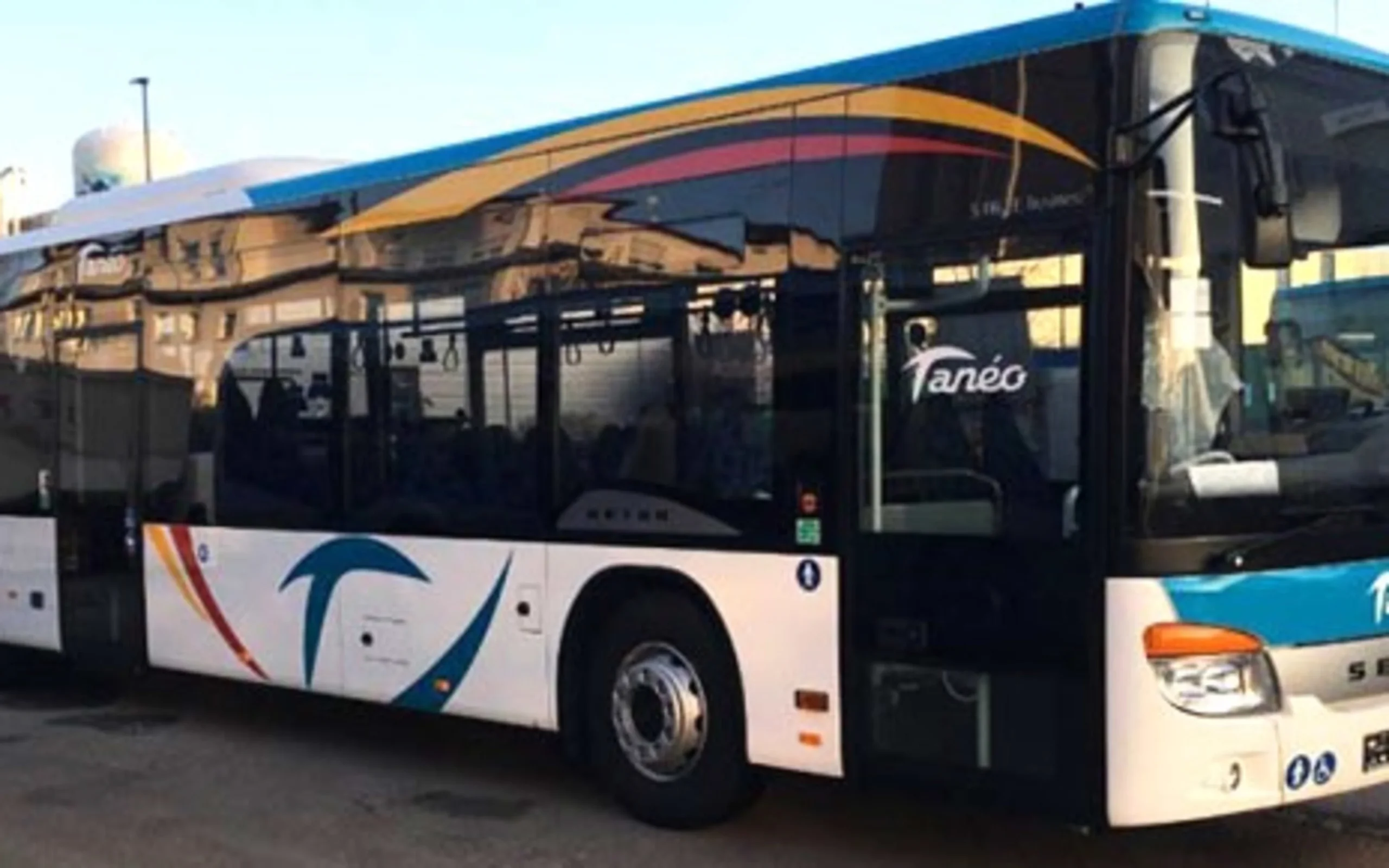
New Caledonia Restores Election Day Bus Services
Public transportation services across the Greater Nouméa network will continue operations during New Caledonia’s upcoming provincial elections on Sunday, 28 June. The Mixed Syndicate of Urban Transports (SMTU) and bus operator Tanéo confirmed the decision on Thursday, ensuring public transit availability on voting day.
Key Highlights
- Transit services will temporarily run on Sunday, 28 June, from 8:00 AM to 6:00 PM.
- The special schedule addresses political concerns regarding the consolidation of 56 polling stations into 9 centers.
- Bus operator Tanéo will absorb the operational cost, which is estimated at US$55,000.
- Onboard ticket sales remain completely suspended, requiring passengers to pre-purchase fares.
Transit infrastructure suffered severe disruptions following widespread violent unrest in May 2024. The civil disturbances caused extensive damage across the capital city of Nouméa and its surrounding suburban communities.
Following those disruptions, the transit authority restored only a scaled-back schedule. Fleet operations were restricted exclusively to Mondays through Saturdays, leaving the entire metropolitan area without public transit on Sundays.
Public dissatisfaction escalated further due to a revised tariff structure, which set single one-way fares at approximately US$4.8. Additionally, a reduction in the total number of operational bus stops drew sharp condemnation from local commuters.
Concurrent administrative adjustments directly altered the electoral architecture in the southern region of the main island. Election officials consolidated the previous 56 localized polling stations into just 9 centralized voting hubs serving Nouméa and adjacent sectors.
The pro-independence Union Calédonienne (UC) mounted a legal challenge against this consolidation plan. The political group argued before the judiciary that reducing voting sites disproportionately impacted indigenous Kanak residents and economically vulnerable families lacking private transport or funds for commercial taxis.
Legal representatives for the party highlighted that the existing public transport framework failed to offer any Sunday services. This lack of transit options compounded the mobility challenges faced by marginalized voters.
The combination of centralized voting hubs and absent transit threatened to force numerous citizens to travel several kilometers on foot. This physical barrier risked preventing citizens from reaching their assigned ballot boxes.
Authorities previously deployed an identical consolidated voting center framework during the municipal elections held in March 2026. That implementation served as a precedent for the current controversial electoral configuration.
The legal challenge failed to alter the administrative plans, however. Nouméa’s administrative tribunal formally rejected the Union Calédonienne lawsuit on 12 June, upholding the consolidation strategy.
In an official corporate statement released Thursday, Tanéo announced an extraordinary deviation from its current scheduling rules. Buses will run across the capital network from 8:00 AM to 6:00 PM, maintaining an hourly frequency throughout the weekend event.
The transport provider stated that this temporary arrangement mirrors its standard Saturday operational model. The route coverage encompasses Nouméa alongside its primary suburban municipalities, including Dumbéa, Païta, and Mont-Dore.
The metropolitan zone represents the primary demographic center of the territory, comprising more than 65% of the total population. This urban corridor houses the majority of New Caledonia’s 265,000 total residents.
Management issued a directive stating that commuters must secure fares prior to boarding. The company emphasized that onboard transactions are suspended, requiring passengers to pre-purchase tickets or replenish electronic transit passes.
Commuters holding active, long-term transit subscriptions can utilize their existing credentials without penalty. The operator will honor all valid pre-existing passes during the specialized single-day service window.
SMTU and Tanéo disclosed that financing for this emergency operations plan will be absorbed internally. The enterprise projects the total baseline expenditure for the special Sunday rollout at approximately US$55,000.
The fiscal update follows a broader restructuring of corporate pricing strategies introduced earlier in the month. The operator recently launched new corporate tiers, featuring monthly packages priced at US$57.64 alongside a quarterly option retailing at US$145.
Political organizations reacted swiftly to the operational adjustment, which observers view as a substantial shift in electoral dynamics. Union Calédonienne issued a social media statement characterizing the decision as a meaningful advancement for public access.
The political organization stated that the measure aligns the territory with core democratic tenets regarding voter parity. Leadership stressed that it protects electoral integrity by ensuring access regardless of residential location, economic standing, or individual transit limitations.
| Transit Metric | Financial and Operational Figures |
|---|---|
| Single One-Way Fare | US$4.8 |
| Sunday Election Operation Cost | US$55,000 |
| New Monthly Subscription Fee | US$57.64 |
| New Quarterly Subscription Fee | US$145 |
Future Outlook
The temporary resumption of Sunday transit operations highlights ongoing infrastructure vulnerabilities following the political friction of 2024. Transport authorities face continued long-term pressure to restore full, unrestricted weekend schedules permanently across the territorial capital. Regulatory bodies and political groups will monitor how passenger turnout impacts the broader financial sustainability of the network heading into late 2026.
FAQs
Will tickets be available for purchase inside the buses on election day?
No, the transit operator stated that onboard sales are completely suspended. All passengers must purchase tickets in advance or replenish their electronic passes prior to boarding.
What are the specific operational hours for the bus network on Sunday, 28 June?
Buses are scheduled to run on an exceptional basis from 8:00 AM to 6:00 PM, matching the frequency normally seen during standard Saturday services.
How much will this special election day service cost the transport network?
The SMTU and Tanéo will fully fund the emergency Sunday operations at their own corporate expense, which is estimated to total approximately US$55,000.