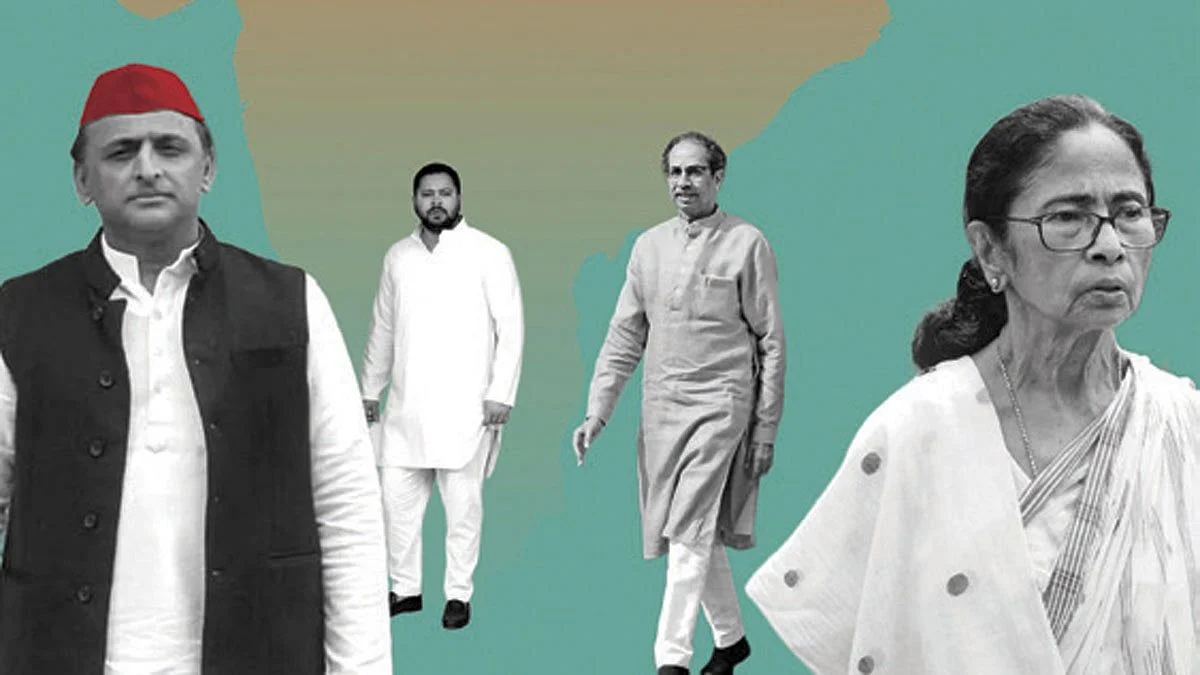
Mamata Banerjee Political Decline and Trinamool Split Analysis
Mamata Banerjee faces a significant political shift as internal friction and a party split challenge her previous standing in Indian politics. The developments mark a transition from her role as a prominent opposition leader to confronting structural vulnerabilities within the Trinamool Congress.
Key Takeaways
- Mamata Banerjee’s national political prominence faces challenges following recent internal party friction.
- The unified opposition front loses momentum as the Trinamool Congress navigates structural instability.
- Internal political fractures have exposed underlying vulnerabilities within the West Bengal ruling party.
The political shift accompanied by internal fractures reveals broader implications for the trajectory of the Trinamool Congress. Until May 4, Mamata Banerjee operated as a primary challenger against central political forces in India.
For a specific period, she served as a central figure for regional political alignment. She represented a distinct alternative for liberal political coalitions seeking a credible national counterweight.
Banerjee maintained an image of political resilience while challenging established governance structures. Her public persona focused on simplicity and defiance against larger political adversaries.
As regional leadership faced instability across various Indian states, she maintained local political dominance. However, recent organizational challenges have revealed structural vulnerabilities within her political base.
Historical Context
The Trinamool Congress emerged as a dominant force in West Bengal after ending decades of left-wing governance. Banerjee built her political career on grassroots mobilization and direct opposition to established state mechanisms. The current internal administrative friction marks a shift from her historically centralized control over the state’s political narrative.
FAQs
What occurred within the Trinamool Congress recently?
The party experienced internal division and structural friction that challenged its centralized leadership framework.
Why is the date May 4 significant in this context?
The date marks a timeline shift in how analysts view the strength and national reach of the political leadership.
How does this impact the broader opposition coalition?
The internal challenges reduce the momentum of regional parties attempting to form a unified national alternative.