Labour Pledges Apprenticeship Boost Expansion to Two Years by 2028
The Labour Party has unveiled an election policy to restore the Apprenticeship Boost scheme to a two-year initiative by 2028. This major policy shift aims to enhance financial backing for employers and secure long-term career paths for local workers within New Zealand.
Key Highlights
- The Apprenticeship Boost scheme will return to a two-year subsidy period starting in 2028.
- New industries including road construction, water treatment, and hairdressing will qualify by 2027.
- Apprentices will receive a $1,000 grant for necessary equipment and tools.
- Funding will average $56.5 million annually, scaling up to $71.5 million by 2030/31.
If re-elected, the Labour Party intends to expand the Apprenticeship Boost scheme back to its original two-year duration starting from 2028.
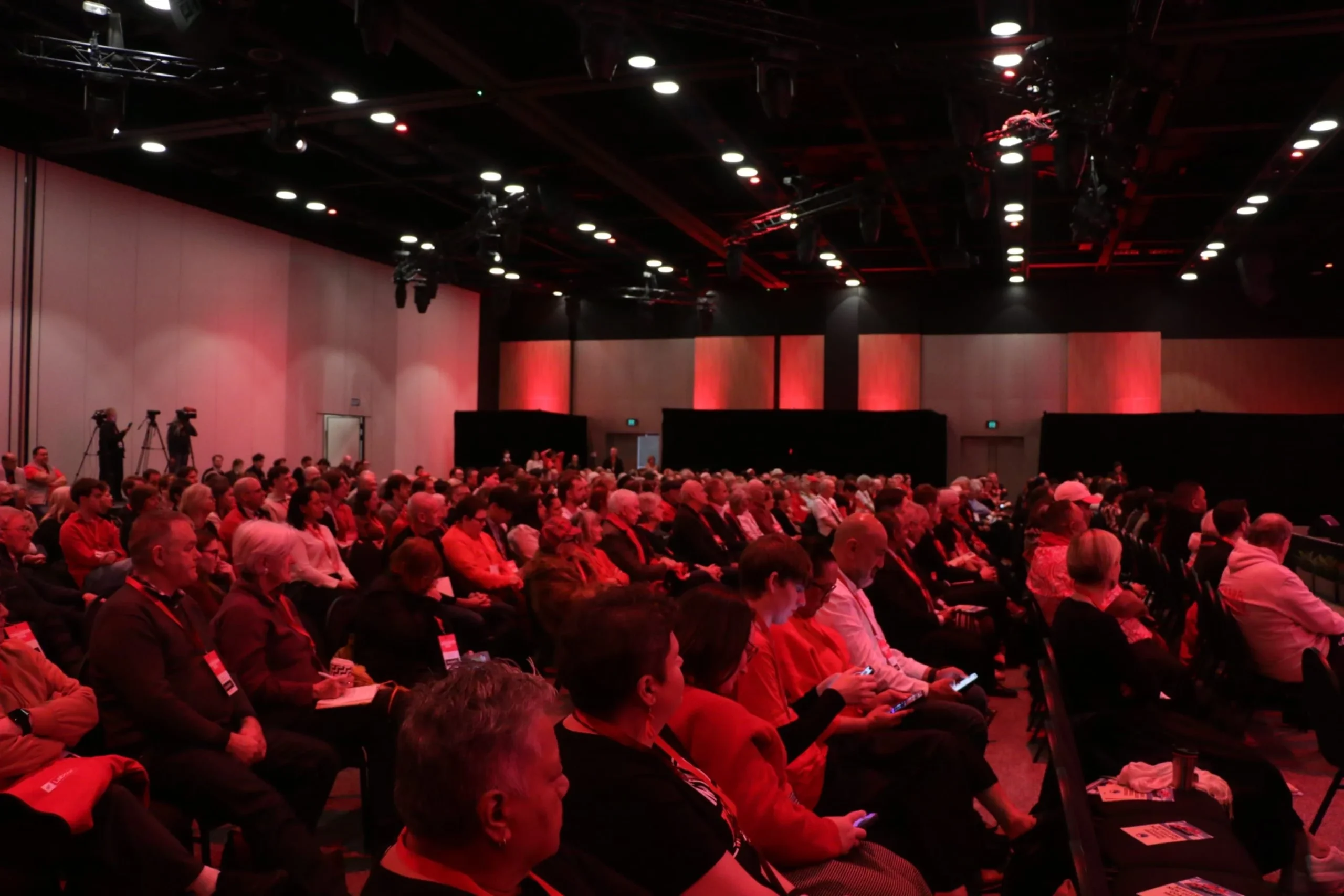
Labour leader Chris Hipkins revealed this core campaign pledge to party members during the annual congress meeting in Wellington.
Initially introduced in 2020, the program provides employers with $500 monthly for one year to hire apprentices. This funding assists with wage coverage, allowing trainees to maintain an income during their educational development.
The scheme experienced revisions in 2025, when it was reduced from a two-year grant to a first-year subsidy concentrated solely on critical industries.
At that time, administration officials stated that narrowing the program would align emerging skills and qualifications with national economic requirements.
Hipkins, who originally implemented the initiative during his tenure as education minister, informed attendees that Labour aims to grow the workforce and retain talent domestically rather than losing workers to international markets.
He emphasized that every young citizen in the country deserves a legitimate opportunity to establish their livelihood and career locally.
The spectrum of eligible sectors will also broaden by 2027 to encompass road construction, wastewater processing, and hairdressing.
Furthermore, trade trainees will capture a $1,000 allowance for essential toolkits, while Industry Skills Boards will obtain extra financing to upgrade mentorship initiatives.
These specific extensions, including the new sectors, equipment grants, and pilot mentoring systems, are scheduled for 2027, preceding the 2028 transition to two-year subsidies.
Financially, Labour estimates the policy will require $21 million in 2027/28, rising to $71.5 million by 2030/31 as enrollment grows, yielding an annual average of $56.5 million.
Both prominent political factions are currently prioritizing advancements in vocational training pathways.
During the recent Budget cycle, the sitting government terminated final-year tertiary fees-free provisions, redirecting a portion of those funds into trade academy placements.
Hipkins Rallies the Troops
Addressing Labour delegates and political candidates, Hipkins asserted that the nation could not afford to squander another three years.
He declared to the gathering that the political battle had officially commenced.
Criticizing the National administration for scaling up joblessness, elevating living expenses, and terminating local broadcasting programming, Hipkins argued citizens were performing correctly but facing poor outcomes.
He stated that the current leadership is disconnected from reality, warning that another term would bring further public cuts, societal friction, and economic stagnation.
The opposition leader maintained that the electorate must prevent that trajectory from continuing.
The presentation mirrored themes from his recent public appearances, acknowledging that Labour cannot resolve every national issue immediately and will not overturn current laws purely out of spite.
He conceded that total remediation would take time, promising instead to target vital issues and secure tangible results.
Ultimately, he framed the upcoming ballot as a decision extending beyond basic party lines.
He concluded that voters face a definitive choice between anchoring future economic growth at home or watching it move abroad.
Future Outlook
The proposed expansion of vocational funding highlights a growing consensus on structural workforce shortages across New Zealand. As both major parties recalibrate their educational spending away from university academic subsidies and toward targeted trade qualifications, the focus shifts to infrastructure resilience. Incorporating road construction and water treatment into the program by 2027 signals an institutional drive to address critical systemic deficits using a heavily subsidized local workforce.
FAQs
What changes is Labour proposing for the Apprenticeship Boost scheme?
Labour plans to extend the employer subsidy from one year to two years by 2028. They also plan to expand eligible trades, introduce a $1,000 tool grant for apprentices, and increase funding for mentorship programs starting in 2027.
Which new industries will be included under the expanded policy?
The program will expand to include road construction, water treatment, and hairdressing. These new sectors will become eligible for the scheme starting in 2027.
How much will the expanded apprenticeship policy cost?
The policy is projected to cost $21 million in the 2027/28 financial year. It is expected to scale up to $71.5 million by 2030/31, creating a four-year average cost of $56.5 million per year.
When did the Apprenticeship Boost scheme originally start?
The initiative was initially launched in 2020 under Chris Hipkins when he served as the education minister, originally offering a broader subsidy before it was paired back to a first-year focus in 2025.