Global Election Scandals Erupt Amid Oversight Failures
A wave of institutional accountability crises has hit global electoral systems as election officials face intense cross-examination over ballot shortages, while a critical high court case encounters unexpected transparency challenges regarding judicial family ties during high-stakes vote tampering disputes.
Key Takeaways
- Multiple election commissioners skipped an legislative probe regarding a 50% ballot-printing threshold error.
- Polling stations faced acute shortages on June 3, 2026, without timely regional or national intervention.
- A senior high court judge disclosed his brother’s political affiliation before ordering the preservation of crucial voting machines.
- Allegations of rapid shifting vote margins from an 18% advantage to an 81% deficit spark intense legal challenges.
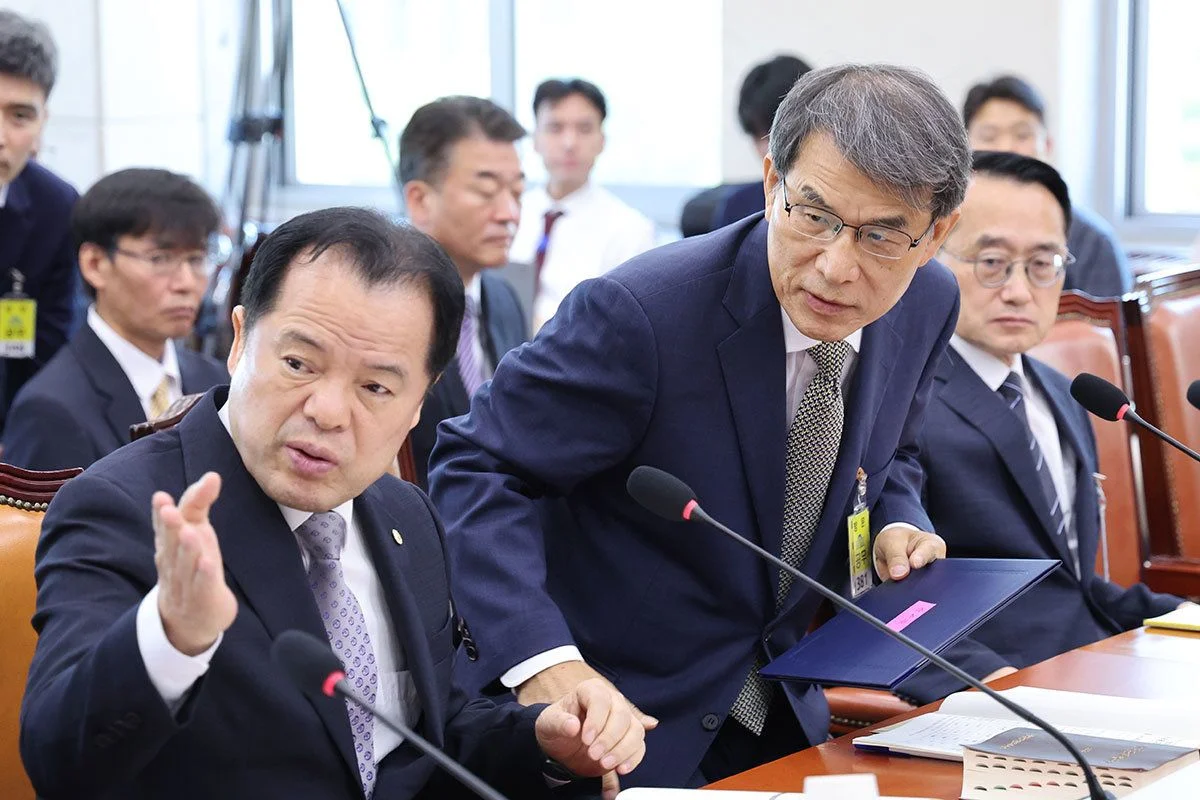
Election administrators initially boycotted the opening session of a legislative investigation into a severe ballot shortage disaster, appearing before a parliamentary panel only after receiving intense criticism for a collective failure to remain accountable. Rival political factions agreed to summon all nine members of the National Election Commission, alongside 19 current and former polling administrators, including former leadership figures from regional offices in Seoul and Songpa.
Yet when the official hearing commenced, only three witnesses arrived, including former commission head Roh Tae-ak. Among the eight sitting commissioners, only standing commissioner Wi Cheol-hwan was initially present to face lawmakers.
The seven non-standing commissioners originally signaled to the National Assembly that they would refuse to attend the session. Following bipartisan condemnation of their absence, five commissioners arrived late during afternoon proceedings, while two skipped the hearing entirely.
The present commissioners provided contradictory testimonies regarding whether they were ever notified of an internal directive issued in November lowering the minimum ballot-printing requirements to 50% of registered voters. Out of the seven administrators questioned, only two stated they knew the policy was buried within a secretariat report.
The controversial measure was authorized a month later solely via the executive power of the secretary-general, bypassing any formal discussion among the full panel of commissioners. Through these testimonies, the commissioners effectively conceded that they failed to implement even baseline institutional oversight over the voting process.
Former Seoul election chief Oh Min-seok and former Songpa election head Min So-young, who both carry immediate accountability for the operational breakdown, similarly delayed their appearances until the afternoon session. Urgent demands for emergency ballot papers flooded polling locations across Songpa District starting on the afternoon of Election Day on June 3.
Despite the unfolding crisis, neither the provincial nor district election bodies implemented corrective actions, failing to report the emergency to top national regulators. Those best positioned to clarify the operational collapse demonstrated a profound reluctance to speak openly.
The institutional failure underscores how the independent election body, insulated from routine legislative check by its constitutional status, has separated itself from public transparency. During the active hearing, the agency admitted that prior public explanations regarding the volume of affected polling locations and the timeline of regional awareness were entirely fabricated.
More than 20 days after the initial breakdown, fundamental metrics remain fiercely contested. After exposing structural deficits in administrative competence, the body faces growing skepticism regarding its integrity.
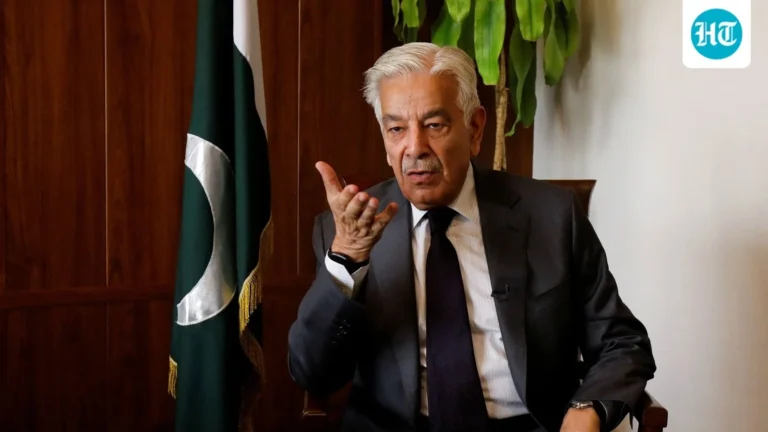
Simultaneously, parallel electoral integrity battles have reached the judiciary. Calcutta High Court Judge Gaurang Kant, presiding over a legal challenge regarding the Bhabanipur Assembly seat outcome, informed the petitioner’s legal team that his elder brother serves as a national spokesperson for the BJP, insisting on full transparency before proceeding.
Following a initial hearing, Justice Kant directed authorities to secure all May 4 video recordings, electronic voting machines, and paper trail systems across the constituency. Legal counsel Kalyan Banerjee expressed absolute confidence in the jurist despite the familial ties.
The legal petition asserts that widespread systemic fraud, illegal voter deletions, and severe counting manipulations occurred during the process. The petitioner alleges that after the 12th round of tabulation, a stable 18% electoral lead suddenly swung into an 81% advantage for the opposing candidate, who eventually secured the seat by a margin of 15,105 ballots.
Future Outlook
The convergence of administrative failures and legal disputes points toward a tightening of global electoral regulations by late 2026. Legislative bodies are expected to draft strict statutory mandates that strip independent election commissions of absolute shield mechanisms, forcing synchronized reporting protocols during live tallies. Additionally, judicial bodies face mounting pressure to establish clear recusal protocols whenever immediate family members hold high-ranking partisan offices.
FAQs
Why did the election commissioners skip the parliamentary inquiry?
The non-standing commissioners initially claimed they were not required to attend due to the constitutional independence of their institution, drawing sharp criticism from lawmakers who viewed the absence as a deliberate attempt to evade public accountability.
What triggered the ballot shortage crisis during the election?
The shortage was caused by a quiet internal directive issued by the commission secretariat that lowered the baseline ballot-printing threshold to just 50% of total registered voters, a measure passed without full commission review.
What legal safeguards did the High Court implement for the disputed poll?
The court ordered the immediate preservation of all electronic voting machines, voter-verified paper audit trails, and internal and external closed-circuit television footage from the central counting facility to prevent data erasure or tampering.