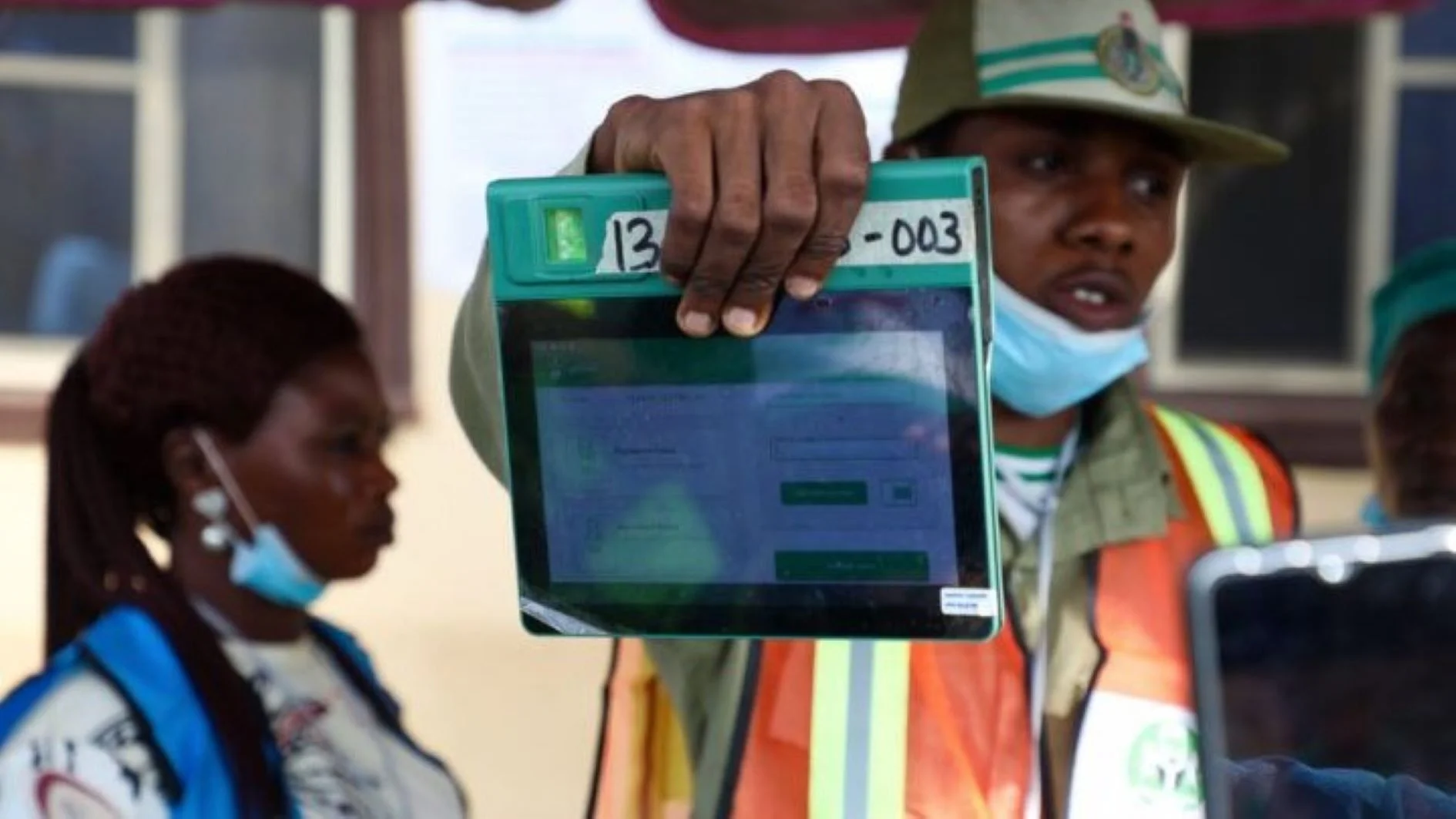
Ekiti Election Faces Voter Apathy and Tech Glitches
A monitoring coalition reported severe voter disengagement and technical hitches during the weekend gubernatorial poll in Ekiti State. Despite high security presence and early opening of polls, the exercise suffered from historically low participation alongside localized breakdowns of biometric accreditation infrastructure across multiple local government areas.
Key Highlights
- Total voter turnout reached just 37.1%, as only 384,940 voters underwent accreditation out of 1,028,929 citizens holding identity cards.
- Biometric verification devices experienced isolated facial recognition failures, directly disrupting the accreditation process for elderly voters.
- Electoral papers showed structural discrepancies, displaying political parties that did not actively field candidates for the gubernatorial race.
- Independent observers confirmed widespread voter inducement and logistical hurdles facing nursing mothers and citizens with physical disabilities.
An election observation coalition expressed deep concern regarding widespread citizen disengagement and technological failures involving the Bimodal Voter Accreditation System (BVAS) during the weekend gubernatorial election in Ekiti State.
The civil society alliance deployed over 200 certified monitors across all 16 local government administrative areas using direct physical oversight and its specialized tracking network.
Addressing reporters in Abuja on Monday, Celestine Odo, the alliance co-convener and country chief for ActionAid Nigeria, stated the exercise remained peaceful despite being compromised by poor turnout and technical issues.
The coalition of non-governmental groups reported that polling workers and deployment assets arrived punctually at a majority of voting stations, allowing operations to commence early in approximately 92% of monitored sites.
Nonetheless, voter participation remained weak across the state despite an exceptionally high rate of permanent voter card acquisition among the local population.
Referencing data from the Independent National Electoral Commission, observers noted that from 1,028,929 registered citizens possessing voting cards, merely 384,940 received accreditation, while total ballots cast dropped to 382,109.
This performance indicates that actual voter participation hovered around 37.1%, reinforcing an ongoing trend of systemic citizen alienation during stand-alone regional elections across the country.
Regarding field technology, the monitoring group indicated that biometric verification systems performed acceptably across most stations but suffered sporadic systemic crashes that delayed accreditation procedures.
The observation teams identified specific infrastructure breakdowns at St. Andrew Primary School in Ado-Ekiti, Ayegunle Street within the Aiyekire region, and sections of the Ise/Orun administrative zone.
Similar tech failures occurred at St. Michael’s Primary School in Ado-Ekiti alongside St. Luke’s African Primary School located in the Oye local government jurisdiction.
The alliance revealed that verification hardware failed repeatedly to identify senior citizens via facial scanning, causing extended operational pauses at affected locations.
Monitors noted that electronic transmission of precinct results to the public viewing platform commenced near 4:30 p.m. on election day, with over 85% of stations updating successfully by nightfall.
While characterizing the overall operational environment as secure, the group confirmed that security operatives maintained a visible presence at voting stations, though they urged official inquiries into sporadic local disturbances.
The organization highlighted significant inconsistencies in official voting materials, pointing out contradictions between the list of cleared political groups and the symbols printed on ballot sheets.
According to observation reports, these document discrepancies caused widespread voter confusion, leading many citizens to cast invalid votes for political parties lacking actual candidates.
“Election workers generally followed established operational guidelines within the monitored precincts, showing strong familiarity with voting rules while maintaining an orderly environment during the balloting process.
“Nevertheless, significant contradictions appeared between the political entities officially cleared by regulators and the actual parties displayed on printed ballots and tally sheets,” Odo stated.
The monitoring alliance raised formal complaints over documented voting violations, pointing out clear instances of vote buying, delayed openings in specific towns, and isolated procedural breaches.
On social equity, the monitors reported that citizens with physical limitations, senior voters, and nursing mothers faced severe obstacles, including poorly configured voting boots and unannounced precinct relocations.
The civil society group pressed electoral authorities to conduct a comprehensive audit of structural and operational failures before upcoming national ballots to ensure regulatory clarity.
The body demanded aggressive prosecution of election law violators, stronger internal democratic processes within competing political entities, and collaborative initiatives to reverse declining participation rates.
Odo praised local citizens for maintaining a peaceful posture throughout the process and recognized the contributions of field workers, security agencies, political entities, and media correspondents.
He concluded that operational insights gathered from the regional vote must guide comprehensive structural reforms to preserve democratic integrity and bolster civic participation throughout the country.
Future Outlook
Electoral specialists warn that unless the regulatory body addresses systemic asset distribution flaws and voter card authentication errors, upcoming off-cycle regional elections will see worsening turnout. Moving forward, the civil society alliance plans to pressure lawmakers to enact strict statutory penalties for vote buying while mandate-testing real-time facial recognition upgrades for authentication hardware before the 2027 general elections cycle.
FAQs
What was the total voter turnout in the Ekiti State governorship election?
The official voter turnout was approximately 37.1%. Out of 1,028,929 registered voters who collected their cards, only 384,940 citizens were successfully accredited on election day.
Which polling units experienced BVAS technological glitches?
Technical failures were recorded at St. Andrew Primary School and St. Michael’s Primary School in Ado-Ekiti, Ayegunle Street in Aiyekire, St. Luke’s African Primary School in Oye, and parts of Ise/Orun.
What irregularities were found on the ballot papers?
There were clear inconsistencies between the political parties initially announced by the electoral umpire and those printed on the actual ballot sheets, causing voters to choose parties that had no candidates.