Channels TV Unveils Strategy to Secure 2027 Nigeria Election Votes
Channels Television has announced a comprehensive strategy to guarantee electoral integrity during the 2027 general elections. The independent broadcaster aims to deploy technical safeguards designed to prevent political actors from disrupting or altering the democratic voting process.
Key Highlights
- Channels Television pledges to safeguard vote integrity in the 2027 national elections.
- The media organization is partnering with YIAGA Africa and the European Union support framework.
- A novel Results Viewing and Monitoring system will launch ahead of upcoming regional governorship polls.
- The initiative responds directly to transparency failures observed during the national cycle in 2023.
Channels Television has publicly declared that citizens’ ballots will be protected during the 2027 general elections. The broadcasting network revealed a significant operational plan aimed at neutralizing attempts by political figures to compromise electoral results.
Prominent television anchor Seun Okinbaloye disclosed the strategic shift live during a Friday broadcast.
Okinbaloye stated that the independent media house is collaborating with civic group YIAGA Africa and the European Union Support to Democratic Governance in Nigeria (EU-SDGN). The coalition plans to introduce a specialized Results Viewing and Monitoring system.
Detailing the initiative prior to the upcoming Ekiti State gubernatorial election, Okinbaloye indicated that the new monitoring architecture will catch corrupt political operatives entirely by surprise.
The anchor emphasized that Channels Television and its institutional partners have committed to ensuring vote validity by 2027. He noted that the unrevealed deployment would surprise external actors and establish a global precedent for electoral oversight.
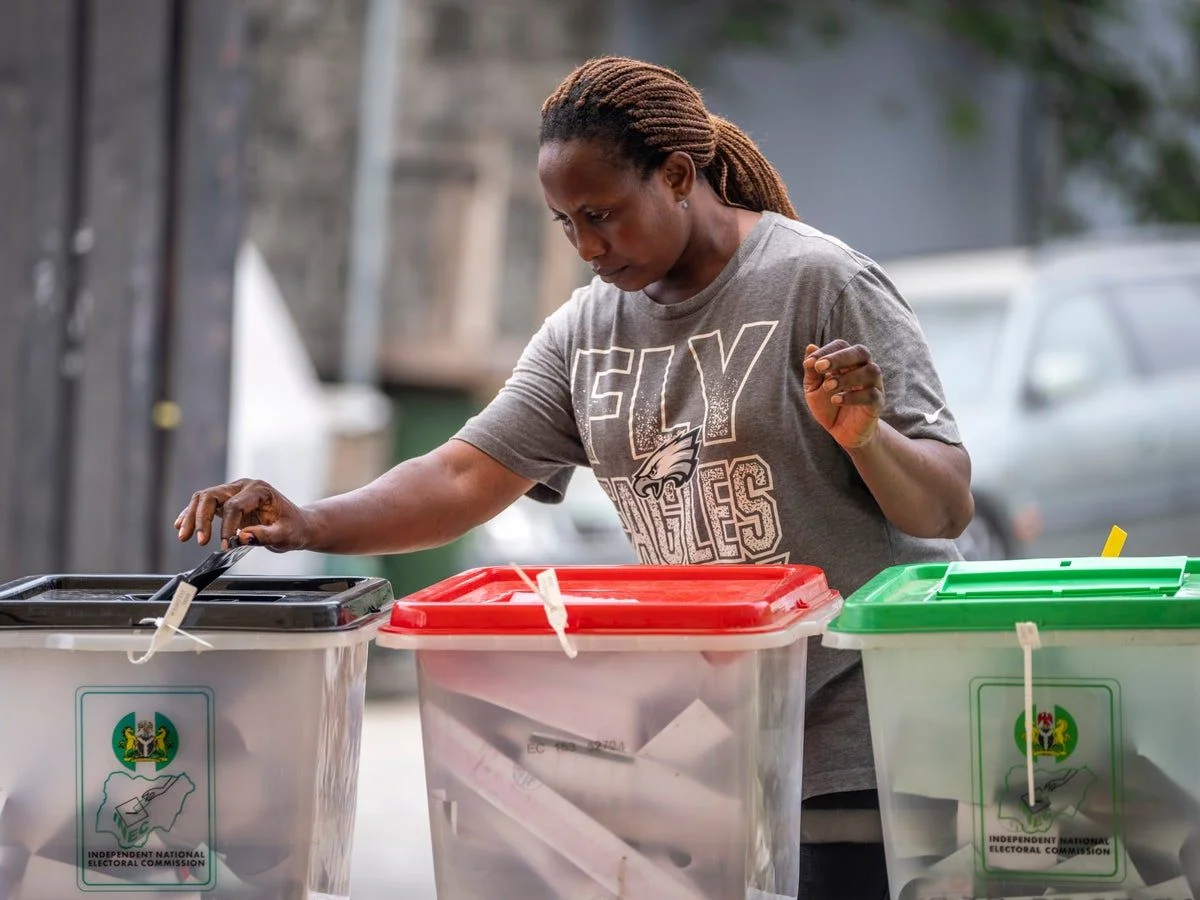
The development follows severe transparency anxieties recorded during the 2023 electoral cycle. Opposition coalitions, voters, and international monitors disputed the election after the Independent National Electoral Commission (INEC) failed to transmit polling station data to its public IReV portal in real time.
Although electoral officials attributed the system latency to technical complications, the breakdown generated widespread skepticism and diminished public trust in the final outcomes.
The historical poll also encountered intense condemnation regarding voter intimidation, data alteration, and localized violence. The Peoples Democratic Party (PDP) and the Labour Party demanded a comprehensive administrative audit.
Following the initial dispute, presidential candidates Atiku Abubakar and Peter Obi initiated formal legal challenges. The litigation concluded when the Supreme Court validated the election of President Bola Tinubu.
Future Outlook
The introduction of independent results monitoring platforms signifies a shift toward decentralized electoral oversight in West Africa. By launching the system during regional gubernatorial contests, civil society and media alliances can refine data verification protocols before national deployment in 2027. This proactive strategy seeks to restore civic confidence and minimize post-election litigation by establishing an unalterable, parallel record of public votes.
FAQs
What is the new election monitoring system introduced by Channels TV?
Channels Television, in partnership with YIAGA Africa and the European Union Support to Democratic Governance in Nigeria (EU-SDGN), is launching the Results Viewing and Monitoring system. This platform is designed to track and secure voting data to prevent manipulation.
Why is electoral transparency a major concern for the 2027 Nigerian elections?
The initiative directly addresses public distrust stemming from the 2023 elections. During that cycle, the Independent National Electoral Commission failed to upload polling unit results to its public portal in real time, leading to widespread allegations of manipulation.
When will the new monitoring framework be tested?
The Results Viewing and Monitoring system will be deployed initially during the upcoming Ekiti State governorship election as a pilot phase before its full-scale implementation in the 2027 general elections.
How did the Nigerian courts rule on the contested 2023 presidential election?
Following legal challenges filed by opposition candidates Atiku Abubakar and Peter Obi over voter suppression and result irregularities, the Supreme Court ultimately upheld the victory of President Bola Tinubu.