High Court Denies Abhishek Banerjee Foreign Travel
A judicial setback has triggered fresh political instability in West Bengal after the Calcutta High Court blocked Trinamool Congress National General Secretary Abhishek Banerjee from traveling abroad for medical treatment, prompting intense scrutiny from opposition leaders regarding ongoing corruption investigations.
Key Highlights
- The Calcutta High Court officially rejected a petition by Abhishek Banerjee seeking clearance for international medical travel on June 25, 2026.
- Opposition lawmakers assert the ruling signals imminent legal consequences regarding multiple state-level corruption investigations.
- Internal rebellion splits the ruling Trinamool Congress as a breakaway faction claims legislative control and names a new chairperson.
- Party leadership responds with immediate expulsions and updated regulatory filings to consolidate executive power.
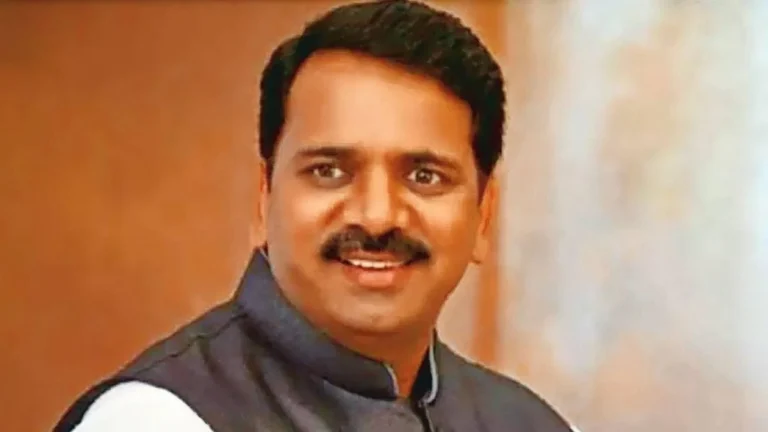
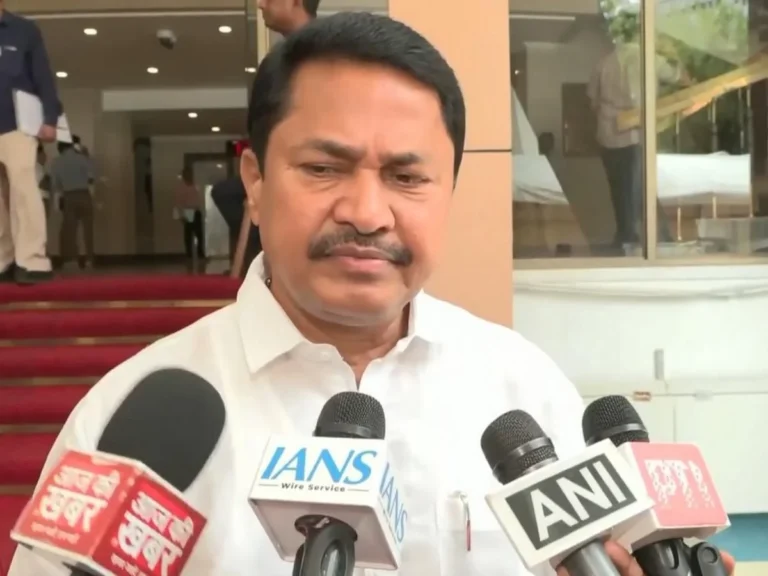
BJP MLA Arijit Roy publicly labeled Trinamool Congress National General Secretary Abhishek Banerjee as the leader of criminal elements in West Bengal. This statement followed a Calcutta High Court ruling on June 25, 2026, which rejected Banerjee’s petition to travel overseas for medical care. Roy told reporters that the judicial decision marks the terminal phase of Banerjee’s political dominance and predicted his eventual imprisonment.
Roy asserted that the citizens of West Bengal are fully aware of the institutional corruption linked to Banerjee. He affirmed that his political formation remains committed to ensuring a comprehensive investigation into these financial anomalies. The lawmaker stated that the politician’s countdown has officially commenced, indicating that wide-ranging legal ramifications are unavoidable.
Current Legal Challenges Facing Banerjee
Abhishek Banerjee remains a central figure in multiple law enforcement inquiries. Investigators are focusing heavily on his alleged involvement in the West Bengal primary teachers’ recruitment scam. Furthermore, an active defamation lawsuit filed in Madhya Pradesh has compounded his current gridlock, complicating his immediate political prospects.
Roy described the internal situation of the ruling party as critical. He claimed the organizational structure is fracturing due to deep internal friction and an absence of coherent governance policies. The legislator remarked that despite holding power for 15 years, the administration failed to satisfy the basic demands of voters, noting that unprincipled political entities inevitably face rapid institutional decay.
The opposition lawmaker emphasized that the administrative erosion of the ruling organization is progressing far quicker than initially projected. These public observations coincide with severe systemic disruption inside the party. The unfolding dynamic raises significant questions regarding the future strategic path of the state administration and its capacity to survive these compounded legal challenges.
TMC Leadership Crisis and Internal Strife
Internal institutional friction intensified as an insurgent group led by Leader of the Opposition Ritabrata Banerjee launched an open rebellion. The faction announced an alternative organizational framework, appointing veteran lawmaker Arup Roy as the party chairperson. The dissident coalition claims to command the loyalty of a major segment of elected legislators.
The rebel group asserts it represents the authentic legislative identity of the party. To formalize their operational structure, the dissidents established a 30-member National Working Committee. This newly minted executive body quickly assigned several prominent political figures to influential leadership roles to counter the existing high command.
In a swift counteroffensive designed to re-establish absolute authority, the loyalist camp under Mamata Banerjee issued formal disciplinary notices to several senior officials. The leadership accused these figures of deliberate anti-party operations. Notable recipients of these disciplinary show-cause communications included high-ranking leaders Firhad Hakim, Aroop Biswas, and Javed Khan.
Following the issuance of the warnings, the party leadership officially expelled all eight dissident leaders from the organization. This decisive action underscores the worsening structural split within the political entity. Concurrently, Mamata Banerjee moved swiftly to protect her executive status by submitting a revised roster of authorized party administrators to the Election Commission.
This strategic regulatory filing cements her institutional standing as the absolute chairperson. The administrative maneuver demonstrates an explicit intent to retain operational command over the fractured political machinery. This intense executive power struggle mirrors the wider existential systemic difficulties confronting the state’s ruling structure as it attempts to navigate a volatile regional political environment.
Future Outlook
The simultaneous escalation of external legal pressure and internal structural mutiny points to a highly volatile period for West Bengal politics. With the Election Commission now reviewing updated leadership rosters and the High Court restricting the movement of key leaders, the ruling administration faces unprecedented pressure. The ability of the loyalist core to maintain legislative stability while managing systemic corruption probes will dictate the political equilibrium leading into the next electoral cycle.
FAQs
Why did the Calcutta High Court deny Abhishek Banerjee permission to travel?
The Calcutta High Court rejected the Trinamool Congress general secretary’s petition on June 25, 2026, because of his ongoing connection to multiple high-profile legal investigations, effectively restricting his ability to leave the country for medical treatment.
What are the primary legal investigations currently involving Abhishek Banerjee?
Abhishek Banerjee is currently under scrutiny in connection with the extensive West Bengal primary teachers’ recruitment scam. He is also simultaneously defending himself against an active defamation lawsuit filed in Madhya Pradesh.
What caused the recent organizational split within the Trinamool Congress?
A rebel faction led by Ritabrata Banerjee challenged the central leadership by setting up a parallel 30-member National Working Committee and naming Arup Roy as chairperson, claiming their group represents the legitimate majority of the party’s legislators.
How did Mamata Banerjee react to the internal party rebellion?
Mamata Banerjee consolidated her control by issuing disciplinary notices and subsequently expelling eight senior insurgent leaders, including Firhad Hakim, Aroop Biswas, and Javed Khan, while filing an updated official leadership list with the Election Commission.