Evolution of Leviathan From Mythical Beast to Modern Icon
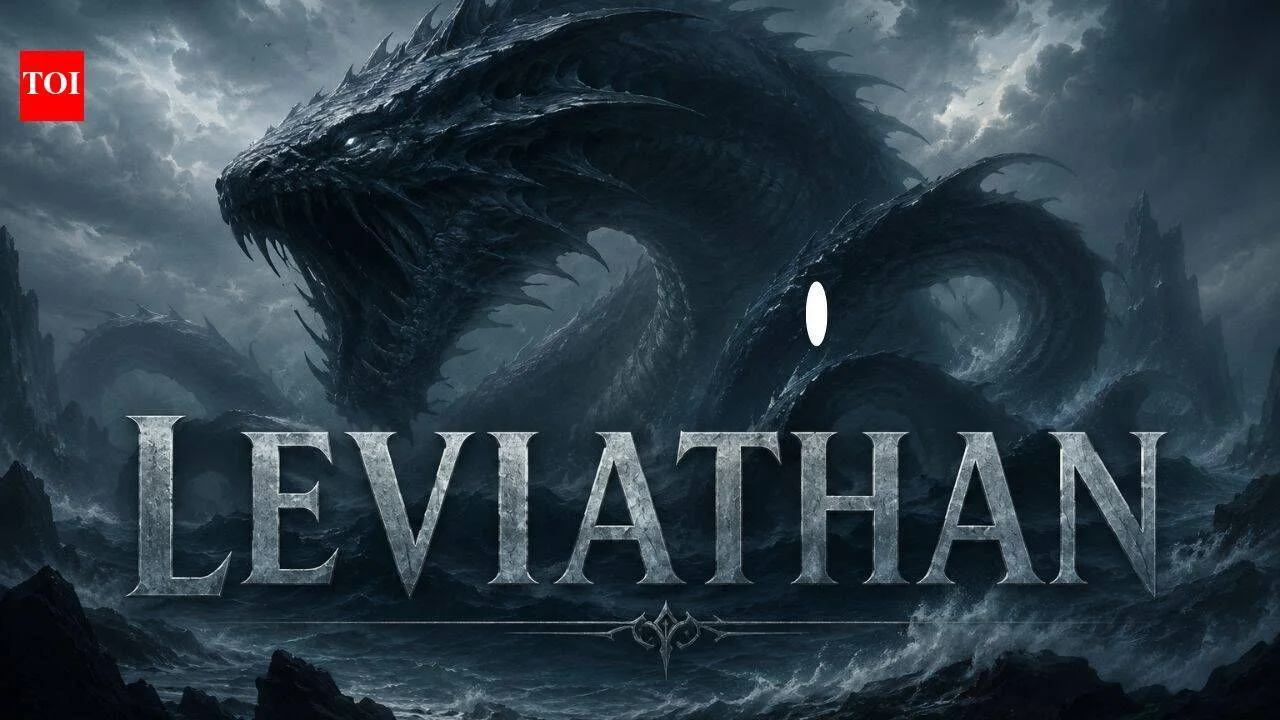
The term Leviathan has undergone a major linguistic transformation, expanding far beyond its ancient origins. While initially describing a mythical marine monster, the word now characterizes any entity possessing extraordinary scale, authority, or cultural dominance.
Key Takeaways
- The word originally designated a massive sea creature in ancient Hebrew texts.
- Modern usage applies the term to massive corporations, governments, and vast bureaucracies.
- Writers select the word to imply formidable power that is difficult to challenge.
- The expression has transitioned completely from pure mythology into everyday journalistic commentary.
Some words have travelled a remarkable distance from their original setting, taking on broader meanings as language has evolved. Leviathan is one such example. Once associated with an enormous sea creature in ancient religious texts, the word is now used in a much wider sense. It often describes anything of immense size, power or influence, whether a government, corporation, ship or organisation. Writers favour the term because it conveys more than physical scale alone. It also suggests something formidable, dominant or difficult to challenge. As a result, Leviathan appears in political writing, journalism, literature and everyday commentary whenever sheer magnitude becomes part of the story.
What does the word Leviathan mean
A leviathan is something exceptionally large, powerful or influential. The word may refer to an enormous creature, but it is more commonly used for organisations, institutions or objects whose size, authority or impact far exceeds the ordinary.
Pronunciation of the word Leviathan
Phonetic pronunciation: /lɪˈvaɪəθən/
Simple pronunciation: li-VY-uh-thun
The stress falls on the syllable: VY
Origin of the word Leviathan
The name first appeared in the Hebrew Bible, where Leviathan referred to a vast sea creature symbolising immense strength. As the word entered English through biblical tradition, its meaning gradually expanded beyond mythology and religion to describe anything extraordinarily large or powerful.
How to use the word Leviathan in sentences
The company grew into a leviathan that dominated the global market.
Sailors spoke of the whale as a leviathan of the open ocean.
Many critics viewed the expanding bureaucracy as a political leviathan.
The novel centres on a leviathan whose presence transforms the fate of an entire kingdom.
Synonyms of Leviathan
- Titan
- Behemoth
- Colossus
- Giant
- Mammoth
Antonyms of Leviathan
- Midget
- Dwarf
- Pixie
- Insignificant
- Small
History of the Word Leviathan
The journey of this term highlights how ancient theological concepts adapt to secular contexts over centuries. In early literature, it represented chaos and untamable natural forces. By 1651, political philosopher Thomas Hobbes famously utilized the title for his masterpiece, comparing the sovereign state to an artificial monster. This pivotal framing altered the linguistic trajectory of the word forever. Over the next 300 years, industrialization birthed massive conglomerates, leading commentators to frequently label industrial monopolies and sprawling government agencies as modern leviathans.
FAQs
What is the original source of the word Leviathan?
The term originates from the Hebrew Bible, where it described a colossal and powerful sea monster that came to symbolize untamable strength and chaos.
How is the word Leviathan used in modern political writing?
In contemporary political commentary, it is frequently used to describe an overreaching state, an expansive bureaucracy, or a massive government institution that exerts immense control.
Can Leviathan be used to describe non-living objects?
Yes, modern English speakers regularly use the term to describe exceptionally large physical objects, such as massive ocean liners, towering skyscrapers, or colossal corporate entities.
What is the correct pronunciation of Leviathan?
The word is pronounced phonetically as /lɪˈvaɪəθən/ or simply as li-VY-uh-thun, with the primary vocal stress placed on the second syllable “VY”.