India Pedestrian Deaths Crisis High on Non Urban Roads
Government data reveals that pedestrian fatalities in India represent a severe crisis predominantly impacting non-urban corridors. National highways and rural routes account for the vast majority of these losses, far outstripping the casualties recorded within the nation’s major metropolitan areas.
Key Highlights
- National highways accounted for nearly 30% of the more than 180,000 pedestrian fatalities recorded between 2019 and 2024.
- Major cities with populations over several million contributed just 12% to 13% of the total pedestrian death toll during this five-year window.
- In 2024 alone, motor vehicles and two-wheelers were involved in 54% of collisions that claimed 19,680 pedestrian lives.
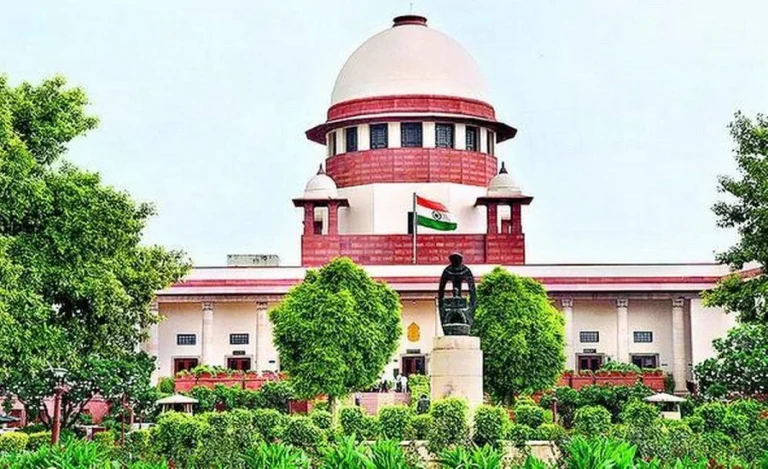
- The Supreme Court of India recently elevated the right to walk on footpaths to a fundamental right under Article 21 of the Constitution.
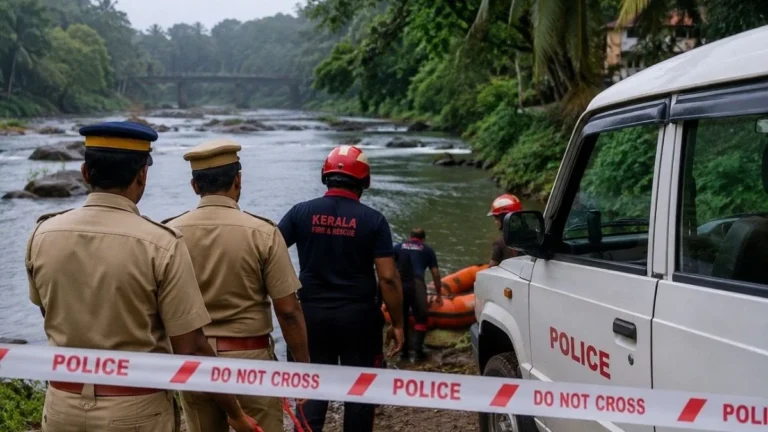
New Delhi — Pedestrian fatalities are fundamentally non-urban crises across India. Bureaucratic figures spanning 2019 to 2024 demonstrate that high-speed highways and regional thoroughfares bear the highest volume of these roadside casualties.
State documentation establishes that roughly 30% of the country’s 180,000 pedestrian victims lost their lives on national highways. Conversely, metropolitan centers housing over 50 million residents collectively accounted for a minor 12% to 13% share of the nationwide total over the designated timeframe.
The remaining bulk of fatalities transpired on secondary urban avenues situated outside mega-cities. These hazardous zones encompass vital provincial transit networks, including state highways, district arteries, primary local roads, and rural pathways.
Statistical aggregates compiled from regional police networks demonstrate that India loses upwards of 30,500 pedestrians on an annual basis. This recurring toll highlights their acute exposure as the single most endangered demographic utilizing public transit corridors.
The most recent road safety assessment published by the transport ministry for 2024 indicates that 36,526 individual traffic incidents involved pedestrian collisions. Within that segment, strikes by motorcycles and passenger cars caused 54% of occurrences, resulting in 19,680 immediate fatalities.
This specific distribution of vehicular responsibility mirrors data patterns observed throughout recent historical cycles. Road safety professionals assert that the persistent data indicates a systemic absence of dedicated walking lanes and secure crossing zones, driving global casualty metrics upward.
This extensive loss of life demands swift intervention from policy architects and infrastructure development corporations. The urgency increases following a definitive mandate from the Supreme Court, which legally classified the utilization of sidewalks as a core citizenship privilege.
The judicial bench ordered the central administration to draft statutory legislation ensuring the construction of protected walkways. The Supreme Court previously affirmed that pedestrian access to clean footpaths remains anchored within the protections of Article 21 of the Constitution.
Geographic breakdowns for 2024 position Tamil Nadu as the deadliest province, documenting 4,712 pedestrian casualties. Bihar registered the second-highest volume at 4,149 losses, followed closely by Maharashtra at 3,344 and West Bengal at 3,241.
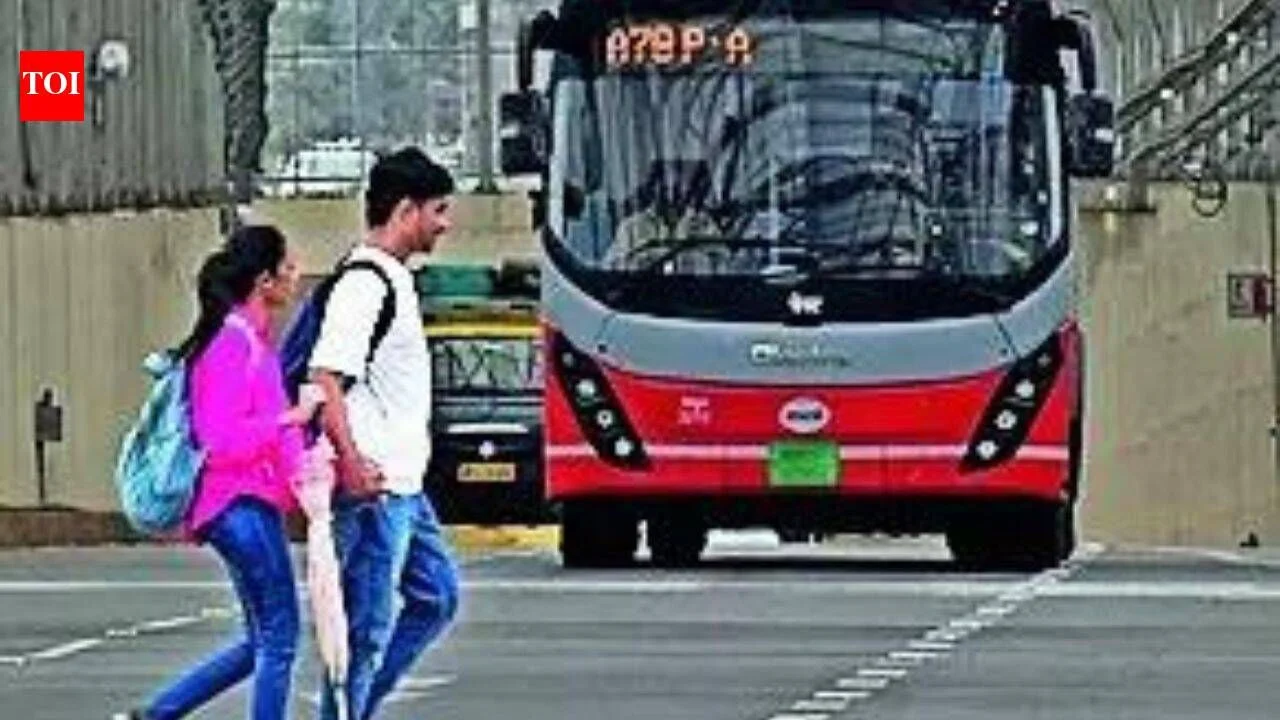
During that identical twelve-month cycle, primary metropolises registered 4,328 pedestrian casualties. This localized metric represented a minor 11.8% proportion of the broader institutional compilation across the territory.
Former transport ministry official Abhay Damle stated that existing structural guidelines are sufficient, but execution remains poor. He noted that urban planning prioritizes motorized traffic, forcing vulnerable individuals onto dangerous roadways.
Damle advocated for extending standard pedestrian safety protections directly to high-speed arterial lines. Meanwhile, legal specialists assisting the Supreme Court suggested installing explicit highway indicators warning pedestrians against entering these high-risk zones.
Data Overview
| Region / Classification | Fatality Count (2024) | Percentage Share (2019–2024) |
|---|---|---|
| National Highways | Not Fully Segregated | Approx. 30% |
| 50 Million-Plus Cities | 4,328 | 11.8% – 13% |
| Tamil Nadu | 4,712 | State Leader |
| Bihar | 4,149 | Rank No. 2 |
| Total Annual Average | 30,500+ | Baseline Exposure |
Future Outlook
The intersection of judicial activism and rising casualty data points toward a overhaul of Indian transit infrastructure. Engineering models must pivot from vehicle velocity prioritization toward multi-modal protection.
Future state allocations will likely require auditing by independent safety panels before capital deployment. If draft legislation mirrors judicial statements, regional highway authorities will face penalties for failing to isolate foot traffic from high-speed corridors.
FAQs
What does the recent data reveal about pedestrian fatalities in India?
Statistics show that India averaged over 30,500 pedestrian deaths annually between 2019 and 2024. National highways are the most dangerous zones, accounting for nearly 30% of the total 180,000 fatalities recorded over the five-year period.
Which vehicles are most frequently involved in pedestrian collisions?
In 2024, passenger cars and two-wheelers were responsible for nearly 54% of all pedestrian-related road accidents. These specific vehicular strikes resulted in 19,680 recorded deaths out of 36,526 total collisions during the year.
What did the Supreme Court rule regarding pedestrian rights?
The Supreme Court ruled that the right to use footpaths is a fundamental right guaranteed under Article 21 of the Constitution. The judiciary directed the government to frame a dedicated law ensuring clear, protected walking infrastructure for all citizens.
Which Indian states recorded the highest number of pedestrian casualties?
Tamil Nadu topped the list in 2024 with 4,712 pedestrian deaths. Bihar recorded the second-highest toll at 4,149, followed by Maharashtra with 3,344 fatalities and West Bengal with 3,241.