Mark Cruz Nominated to Direct Indian Health Service
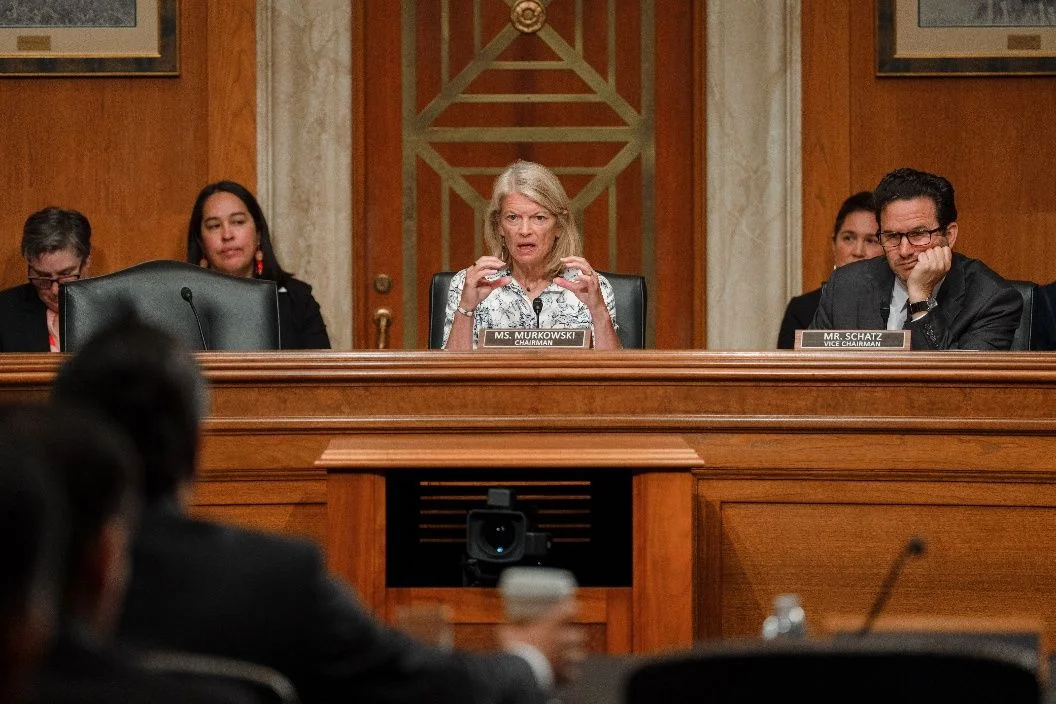
Mark Cruz advanced closer to leading the Indian Health Service following a confirmation hearing before the Senate Committee on Indian Affairs. Lawmakers evaluated his qualifications to oversee the agency within the U.S. Department of Health and Human Services, indicating strong bipartisan support for his appointment.
Key Highlights
- The Senate Committee on Indian Affairs reviewed Mark Cruz’s nomination to lead the Indian Health Service.
- Chairman Lisa Murkowski endorsed Cruz, citing his administrative history and deep personal experience within Native American communities.
- Discussions focused on crucial agency challenges, including infrastructure sustainability and federal funding management.
- Cruz committed to fiercely advocating for the health and resource equities of Tribal and urban Indian partners.
U.S. Senator Lisa Murkowski, a Republican representing Alaska who chairs the Senate Committee on Indian Affairs, presided over the session. The meeting focused on evaluating Cruz, an Oregon native, for the director position, with Murkowski indicating her definitive plan to endorse his advancement.
Representative Tom Cole, an Oklahoma Republican and enrolled citizen of the Chickasaw Nation, presented Cruz to the panel. Cole, who chairs the House Appropriations Committee, recalled tracking Cruz’s capabilities since his early days teaching on the Rosebud Indian Reservation.
Cole subsequently employed Cruz as a congressional fellow, recognizing his potential. The veteran congressman commended Cruz for his deep allegiance to indigenous populations, highlighting that his industry insight, dedication, and sincere concern stood out immediately.
Chairman Murkowski focused her introductory remarks on Cruz’s dedication to robust community collaboration. She noted his primary objective remains elevating wellness outcomes across Native populations while emphasizing the critical nature of this unfilled leadership post.
While you do not come from the career ranks of IHS, your experience gives you a strong foundation for this position, noted Chairman Murkowski. Your lived experience in Native communities, your service as the first Tribal Senior Advisor to Secretary Kennedy, and your previous work at the Department of the Interior as Deputy Assistant Secretary for Indian Affairs have provided you with valuable perspective and experience.
I am looking forward to supporting your nomination and working with the Vice Chairman and our colleagues to move your nomination through the committee, added Chairman Murkowski.
Dual Role as IHS Director and Senior Advisor for Indian Health
Murkowski questioned Cruz regarding his strategy to manage agency leadership alongside his ongoing duties. He presently serves as the Tribal Senior Advisor to the Secretary of Health and Human Services amid structural agency realignments.
The chairwoman sought explicit guarantees that impending structural adjustments would involve genuine consultations with indigenous communities. She emphasized the absolute necessity of safeguarding operational programs that directly benefit native enclaves.
Tribes need strong advocates within the department who understand how decisions across HHS impact our Native communities, asserted Chairman Murkowski.
I would continue to do those things and advocate even more ferociously for the equities of our Tribal partners and our urban Indian partners, pledged Mr. Cruz.
Contract Support Costs and 105(l) Lease Payments
Murkowski raised pressing fiscal anxieties surrounding escalating financial obligations tied to specialized lease agreements. She targeted the expanding budgetary impacts of 105(l) lease payments and broader contract support obligations.
The Alaska Senator emphasized that fiscal management must occur alongside sustained backing for localized tribal governance. Acknowledging the fiscal gridlock, she extracted a pledge from Cruz to cooperate with lawmakers and community executives.
It’s one of those really powerful authorities that does a lot of good, but can go sideways very quickly if misapplied or, you know, mismanaged, observed Mr. Cruz, regarding the 105(l) program. I do eagerly look forward to working with you and your team on this matter.
Sanitation Funding and Long-Term Sustainability
Murkowski commended administrative leadership for finalizing critical infrastructure disbursements for 2026. The Bipartisan Infrastructure Law funds target historically neglected Alaska Native localities currently suffering from severe water deficits.
The lawmaker cautioned that these immediate multi-million-dollar capital deployments are temporary. She emphasized that emergency infrastructure cash cannot substitute for predictable annual operational allocations required to sustain utilities.
I am concerned though, because we know that the infrastructure funds are winding down and in fairness, these funds were designed to address the unmet needs. It wasn’t intended to replace the need for sustained annual investments, warned Chairman Murkowski. When I think about the role of just basic sanitation in meeting healthcare needs, of Native people, regardless of where they are. To me, this is pretty basic. Clean water to drink, to wash your hands, keep your family clean. It’s pretty basic and it goes to healthcare.
The committee leader pressed the nominee to clarify his asset preservation plan. She requested details on the specific role ongoing maintenance appropriations would occupy in his future budgets.
Cruz affirmed his complete backing for tribal sanitation enhancements, referencing the finalization of recent fiscal allocations. He noted over 2,000 active public works developments are underway, promising to streamline multi-agency coordination.
If confirmed, I look forward to ensuring those come to completion. I also look forward to working with the team on lessons learned and identifying and advocating for robust resources to continue that work, stated Mr. Cruz.
Future Outlook
The confirmation of Mark Cruz is poised to bring structural stability to an agency managing complex infrastructure transformations. If confirmed by the full Senate, Cruz will take the helm of the Indian Health Service during a critical transition period.
His dual perspective as a former interior official and tribal advisor will be tested immediately as the agency manages billions in expiring infrastructure funds. Lawmakers expect his administration to deliver a modernized, long-term financing strategy for tribal health clinics and rural sanitation networks by 2027.
FAQs
Who nominated Mark Cruz to lead the Indian Health Service?
Mark Cruz was selected by the administration to serve as the Director of the Indian Health Service within the U.S. Department of Health and Human Services, subject to official confirmation by the United States Senate.
What key qualifications does Mark Cruz possess for this leadership role?
Cruz previously operated as the Deputy Assistant Secretary for Indian Affairs at the Department of the Interior. He also served as the inaugural Tribal Senior Advisor to the Secretary of Health and Human Services and has firsthand experience teaching in native communities.
What specific budgetary concerns did Senator Lisa Murkowski raise during the hearing?
Senator Murkowski expressed serious concern regarding the long-term sustainability of rural sanitation infrastructure as temporary Bipartisan Infrastructure Law funding winds down. She also highlighted financial pressures regarding contract support costs and section 105(l) lease obligations.
How many active infrastructure projects is the Indian Health Service currently managing?
The Indian Health Service is overseeing more than 2,000 active infrastructure and sanitation developments designed to bring clean drinking water and waste management solutions to underserved tribal communities.