BYU Nursing Project Enhances Himalayan Char Dham Yatra Rescue Operations
Each year, millions of Hindu pilgrims travel to the high-altitude Himalayas for the sacred Char Dham Yatra, but thousands perish on the arduous 1,000-kilometer route. Brigham Young University’s Mountain People Project is systematically addressing this crisis by establishing medical helicopter airlifts and advanced wilderness first-responder training frameworks.
Key Highlights
- The Char Dham Yatra claims thousands of lives annually due to harsh environmental factors, medical vulnerabilities, and sparse infrastructure.
- BYU’s Mountain People Project initiated the region’s inaugural medically equipped helicopter evacuation protocol in 2024.
- More than 1,000 domestic responders, including police and medical staff, have completed specialized wilderness rescue training.
- The aerial operations saved more than 100 lives over the past year while disaster teams managed over 100 monsoon mudslides.
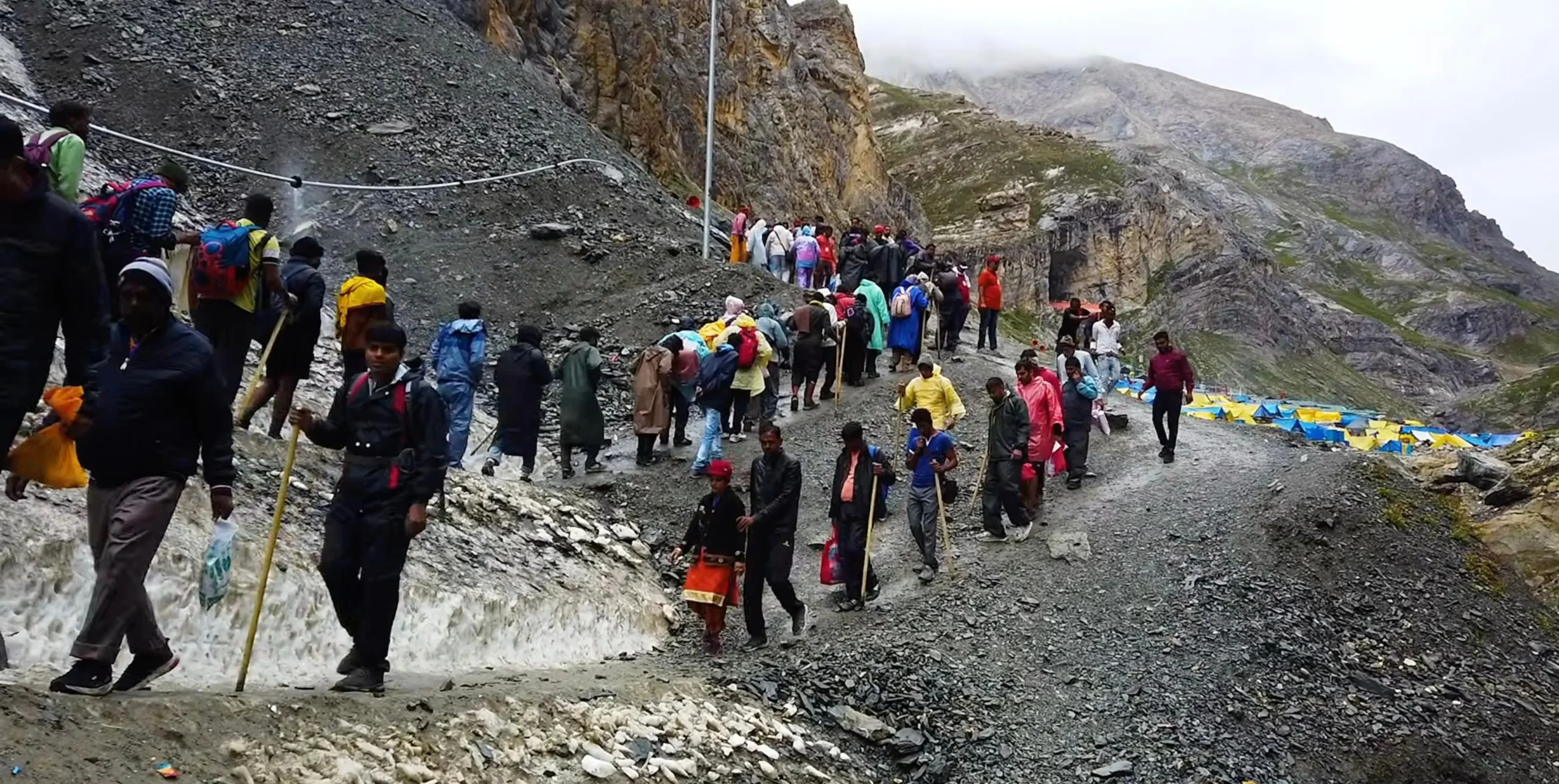
Millions of Hindu worshippers undertake the arduous Char Dham Yatra annually, traveling deep into the Himalayas to access ancient shrines revered as the four abodes of God.
Concurrently, thousands of travelers lose their lives each year along the perilous 1,000-kilometer path, a journey requiring weeks or months to navigate.
Amanda Ball, a graduate student within the family nurse practitioner curriculum at Brigham Young University, noted that the pilgrimage demographic includes elderly individuals with pre-existing cardiac conditions rather than just young participants.
Severe environmental hazards along the trek, including trauma, hypothermia, and high-altitude illnesses, are exacerbated by deficient local infrastructure and restricted healthcare access across this isolated mountainous territory.
Craig Nuttall, a nursing professor at BYU, highlighted that the area lacked rapid evacuation pathways to properly equipped trauma facilities, noting an absolute absence of medically proficient search and rescue units.
Leveraging his professional expertise in wilderness medicine and search operations, Nuttall founded the Mountain People Project in 2021 to deploy BYU nursing faculty and students to revolutionize localized mountain rescue capabilities.
The organization subsequently launched the territory’s inaugural medically staffed helicopter evacuation framework in 2024, facilitating direct patient transfers to the All India Institute of Medical Sciences in Rishikesh.
Furthermore, university instructors and students provided critical wilderness first-responder training to approximately 1,000 individuals, encompassing mountaineers, state police, physicians, and nursing professionals.
This educational initiative is driving a substantial increase in localized, Indian-led emergency rescue operations.
Nuttall confirmed the newly certified helicopter squad preserved more than 100 patients over the past year, while state disaster forces successfully managed over 100 monsoon-driven mudslides.
Nuttall expressed confidence that the specialized competencies transferred to local teams are being deployed effectively in the field.
Regarding forthcoming operations, Nuttall indicated the project will focus on identifying specific zones along the pilgrimage trail where emergency medical intervention remains most critical.
The overarching strategy centers on equipping local communities with self-rescue and peer-assistance capabilities to optimize long-term humanitarian outcomes, Nuttall stated.
Beyond its core operations in the Indian Himalayas, the Mountain People Project operates service frameworks in Georgia and Utah’s Wasatch Range, alongside future expansion strategies targeting South America and Europe.
Future Outlook
The Mountain People Project aims to transition from foundational rescue training to advanced data-driven emergency management along the Himalayan pilgrimage corridors. By precisely mapping high-risk zones, the initiative intends to position critical medical assets closer to recurring accident sites. This proactive strategy will be mirrored in upcoming international chapters as the organization scales its wilderness medicine infrastructure across South America and Europe to build resilient, self-sustaining local rescue networks globally.
FAQs
What is the Char Dham Yatra?
The Char Dham Yatra is an ancient Hindu pilgrimage through the Indian Himalayas spanning approximately 1,000 kilometers. Worshippers travel for weeks or months to visit four sacred mountain shrines, encountering severe environmental challenges and high altitudes.
How does the Mountain People Project assist pilgrims in India?
Founded by a Brigham Young University professor in 2021, the project delivers wilderness first-responder training to local authorities and medical staff. It also established the region’s first dedicated medical helicopter evacuation system in 2024 to transport critical patients to a major trauma center.
Which hospital receives the emergency airlift patients?
Patients rescued by the project’s medical helicopter teams are evacuated directly to the All India Institute of Medical Sciences located in Rishikesh, which serves as the primary regional trauma facility.
How many people have been trained by this initiative?
The project has trained roughly 1,000 individuals, including state police officers, local doctors, nurses, and mountaineers, establishing a sustainable network of Indian-led rescue teams.