Top Five South Indian Mango Varieties to Savour
South India produces several of the country’s most celebrated mango varieties, each distinguished by its specific flavour profile, fragrance, and texture. These regional favourites offer distinct culinary experiences, ranging from intense sweetness to balanced tanginess, making them highly sought-after seasonal fruits.
Key Highlights
- Banganapalli and Imam Pasand offer distinct premium sweetness and fibreless or buttery textures.
- Malgoa and Rumani provide versatile flavour profiles suitable for direct eating or desserts.
- Neelam extends the harvest season as a late-arriving variety with a lingering aroma.
From Banganapalli and Imam Pasand to Neelam, discover five iconic South Indian mango varieties celebrated for their rich flavour, irresistible aroma, and juicy texture.
Southern states cultivate some of India’s most prominent mango lineages, defined by individual characteristics of taste, smell, and consistency. These local options represent a major highlights of the harvest calendar, providing essential choices for consumers tracking quality fruit profiles.
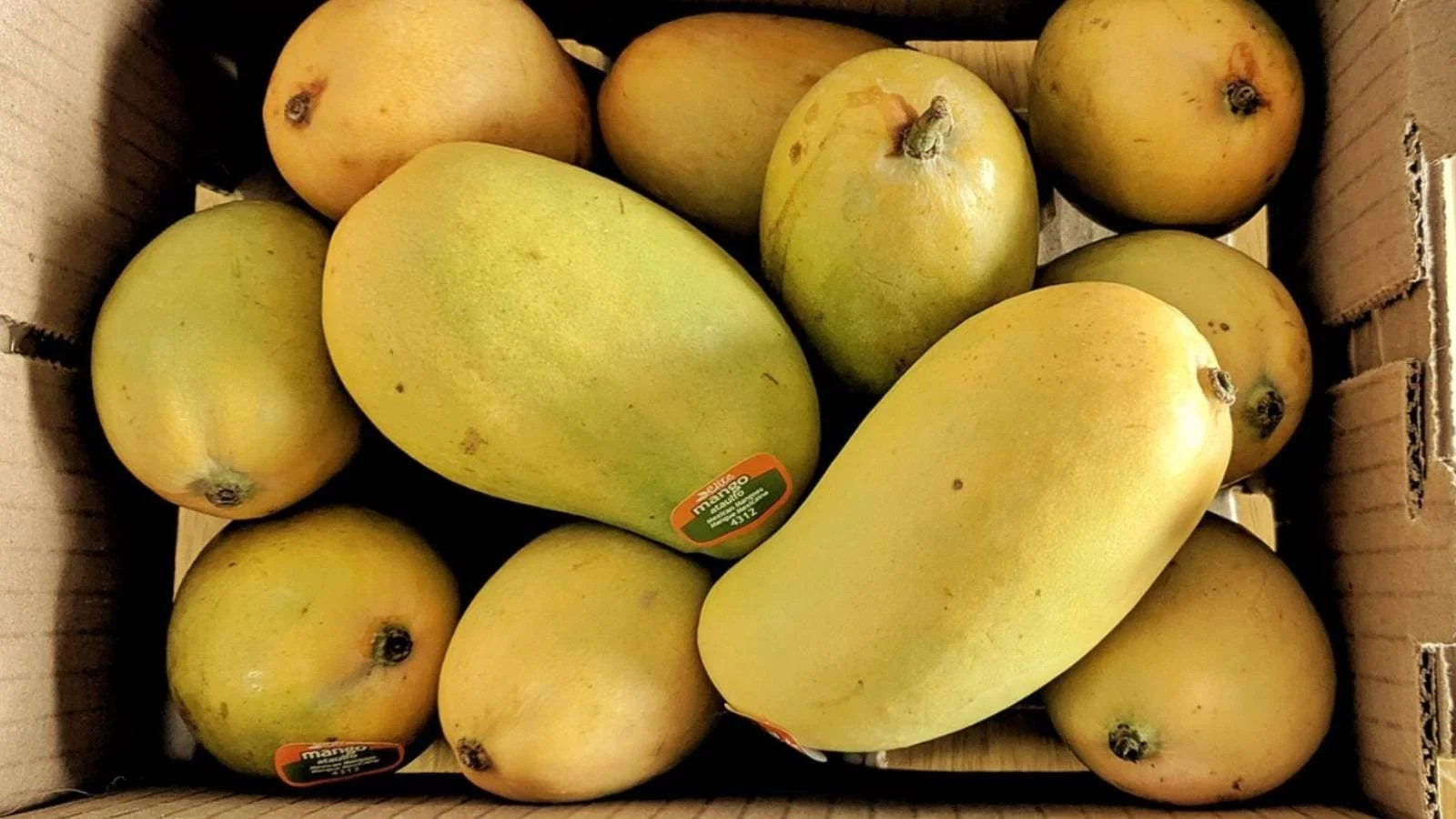
Banganapalli (Andhra Pradesh): Distinguished by its bright yellow skin and absence of internal fibre, this variety delivers a naturally sweet taste profile. It remains a primary choice for standard table consumption across the region.
Imam Pasand (Tamil Nadu): Frequently designated as a premium choice among enthusiasts, this fruit features a smooth, buttery consistency. It is recognized for a subtle scent and an intense, dissolving sweetness.
Malgoa (Tamil Nadu): Identifiable via its large, spherical appearance, this type yields abundant juice alongside a strong tropical scent. The taste delivers a precise equilibrium between sugary and acidic notes.
Rumani (Tamil Nadu & Karnataka): This medium-sized fruit carries a noticeable acidity alongside its sweetness. The structural properties make it highly adaptable for raw consumption, culinary processing, juices, shakes, and various desserts.
Neelam (Andhra Pradesh, Karnataka & Tamil Nadu): Serving as a late-season entry to the agricultural market, this variety is noted for its strong perfume and uniform pulp. The distinct sweet taste persists noticeably after consumption.
Historical Context
The cultivation of these specific cultivars reflects centuries of regional horticultural selection in Southern India. Varieties like the Imam Pasand historically enjoyed royal patronage, which helped cement their reputation as premium agricultural products. The staggered ripening timelines of these fruits—running from early-season Banganapalli to late-harvest Neelam—ensures a continuous supply chain that stabilizes local agricultural revenues throughout the summer months.
FAQs
Which South Indian mango variety is known as the “King of Mangoes”?
The Imam Pasand variety from Tamil Nadu is frequently called the “King of Mangoes” due to its rich, buttery texture and premium sweetness.
When does the Neelam mango variety become available?
The Neelam variety is one of the final crops harvested each year, arriving as a late-season selection across Andhra Pradesh, Karnataka, and Tamil Nadu.
What makes the Banganapalli mango distinct?
The Banganapalli mango from Andhra Pradesh is easily recognized by its golden-yellow skin and its characteristic fibreless pulp, making it excellent for slicing.
Which variety is best suited for making milkshakes and juices?
The Rumani variety, grown in Tamil Nadu and Karnataka, features a pleasant tanginess that makes it ideal for processing into fresh juices, milkshakes, and desserts.