Jacobin Cuckoo Monsoon Myth: Science vs Folklore
The Jacobin cuckoo has long served as a traditional sign of the approaching southwest monsoon across rural India. While folklore celebrates the bird as a natural weather forecaster, modern scientific research reveals its arrival is synchronized with global atmospheric shifts rather than personal meteorological foresight.
Key Highlights
- Traditional Indian folklore views the arrival of the Jacobin cuckoo as a direct forecast of seasonal rainfall.
- Ornithologists confirm the bird migrates from Africa by tracking large-scale environmental and atmospheric changes.
- Climate change now threatens this precise seasonal harmony, causing ecological mismatches between birds and food sources.
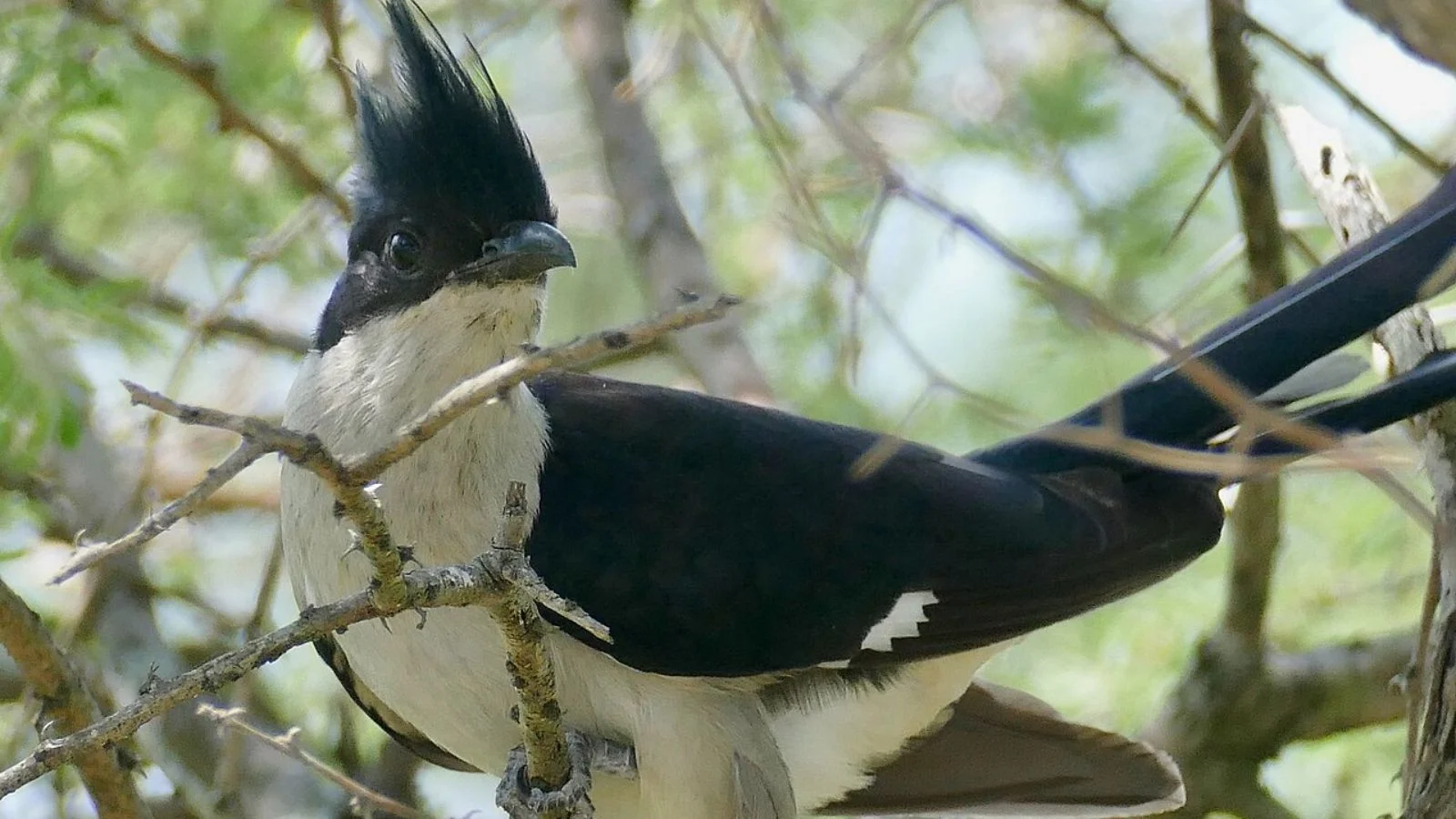
Decades before the advent of digital meteorological applications, radar technologies, and satellite observation systems, the agricultural communities of India depended heavily on biological indicators to predict seasonal rainfall. Foremost among these natural indicators was the seasonal sighting of the Jacobin cuckoo, alternatively recognized as the pied cuckoo or Chatak. Its specific appearance ahead of summer rains solidified its enduring stature as a monsoon forecaster.
But does this striking black-and-white bird actually predict rainfall? Naturalist and author Jennifer Nandi clarifies that the correlation stems from historical human observation rather than avian prophecy. Communities historically observed the Chatak emerging just before seasonal downpours, embedding the avian species deeply within regional folklore and rural agrarian customs.
Ornithological data affirms the precise timing of these migratory arrivals. However, modern science refutes the premise that the avian species possesses an innate ability to project weather patterns.
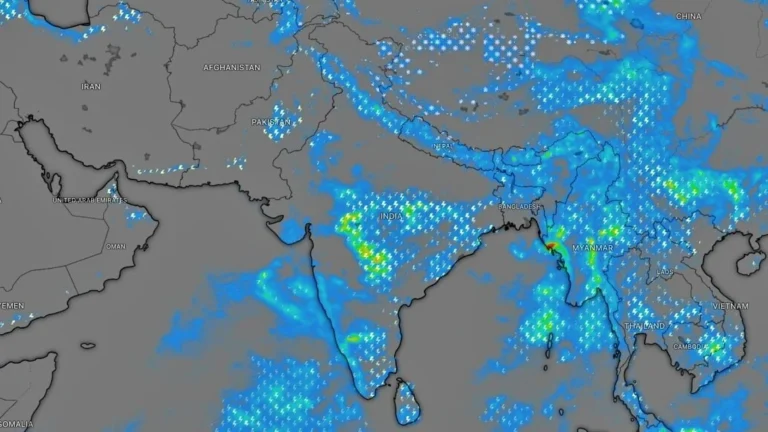
The species does not anticipate weather changes independently. Instead, its transcontinental transit responds directly to identical large-scale seasonal transitions in atmospheric wind patterns that ultimately generate the monsoon rains. Consequently, both the avian species and the precipitation patterns operate on the same overarching environmental schedule.
Sophisticated tracking initiatives utilizing satellite telemetry alongside extensive bird-ringing archives confirm that a significant population of these cuckoos travel from eastern and southern African regions. They organize their flight schedules specifically to intersect with the wet season of the subcontinent. This renders their appearance a highly consistent seasonal phenomenon rather than a weather prediction.
What guides the bird’s migration?
The Jacobin cuckoo completes an immense, multi-continental journey to reach the Indian subcontinent. Multiple interconnected ecological variables operate in tandem to prompt the initiation of this long-distance avian transit.
Fluctuations in daylight duration serve as the foundational biological catalyst. Alterations in daily sunlight parameters across African habitats trigger internal hormonal shifts within the birds, which ultimately compel them to begin their northward journey.
The species effectively tracks and capitalizes on expanding ecological opportunities across geography.
This precise seasonal scheduling offers distinct evolutionary advantages. The arrival of regional rains sparks an immediate explosion in local insect populations, creating a vast supply of caterpillars and grasshoppers. This insect surge provides crucial nourishment for the arriving birds.
Concurrently, local avian species targeted by the cuckoo for brood parasitism commence their annual reproductive cycles. The cuckoo relies entirely on utilizing the nests of alternative species to deposit its eggs, delegating parental care to host birds. Precision in arrival remains paramount, ensuring the cuckoo accesses active host nests within a tight biological window to secure reproductive success.
Can birds still predict seasonal changes in a warming world?
Avian populations serve as exceptional barometers for environmental health, though global climate instabilities are reducing their reliability as traditional seasonal indicators.
Historically, migratory pathways and reproductive schedules aligned predictably with cyclical weather patterns due to stable climate trends. In the current ecological landscape, numerous avian species exhibit disrupted schedules by arriving prematurely or late, altering breeding periods, and modifying their geographical ranges altogether.
A primary ecological concern involves the growing synchronization breakdown between avian reproductive periods and peak food availability. While day length remains a static migratory cue for birds, rising global temperatures frequently cause insect populations to emerge ahead of schedule.
This timing disparity results in avian offspring hatching well after peak insect numbers have already declined. Although the Jacobin cuckoo maintains its historical synchronicity with the southwest monsoon for now, shifting rainfall trends driven by climate change could jeopardize the future stability of this migratory cycle.
Modern conservation efforts no longer rely solely on biological indicators. Researchers now integrate traditional field observations with advanced satellite tracking, meteorological data, and long-term environmental documentation to monitor changing planetary patterns.
Traditional ecological knowledge and advanced scientific methodology operate as complementary frameworks. Modern research enhances historical observation by decoding the underlying mechanisms of these natural phenomena and mapping how climate shifts alter them.
Future Outlook
As global temperatures continue to fluctuate, the precise relationship between the Jacobin cuckoo and the Indian monsoon serves as a critical case study for scientists monitoring ecological disruptions. The primary threat lies in the decoupling of static cues, like day length, from dynamic climate variables like temperature and humidity. If monsoon patterns become increasingly erratic, the cuckoo may struggle to find viable host nests or adequate food resources upon arrival. Conservationists emphasize that safeguarding migratory corridors and studying these climate-induced shifts will be essential to protecting the species in the coming decades.
FAQs
Can the Jacobin cuckoo actually predict when it will rain?
No, the bird does not possess weather-forecasting abilities. It migrates from Africa in response to the same global atmospheric and wind shifts that bring the monsoon to India, making its arrival a parallel event to the rains rather than a prediction.
Where does the Jacobin cuckoo migrate from to reach India?
Satellite tracking data shows that a large number of Jacobin cuckoos travel from eastern and southern Africa to India, timing their long-distance journey to match the subcontinent’s rainy season.
Why is timing so critical for the Jacobin cuckoo’s breeding success?
As a brood parasite, the Jacobin cuckoo lays its eggs in the nests of other bird species. It must arrive precisely when host birds are actively breeding and building nests, ensuring its eggs are accepted and raised by the host parents.
How is climate change affecting the migration of birds like the Chatak?
Rising global temperatures cause insects to hatch earlier, while birds still migrate based on constant day length. This creates an ecological mismatch where chicks may hatch after the peak abundance of insect food has already passed.