SolarEdge Nexis IslandDER Secures California Utility Clearances for Residential Backup
SolarEdge Technologies confirmed that Pacific Gas and Electric Company and San Diego Gas and Electric formally cleared its Nexis IslandDER meter collar for residential interconnection, according to reporting by pv magazine USA.
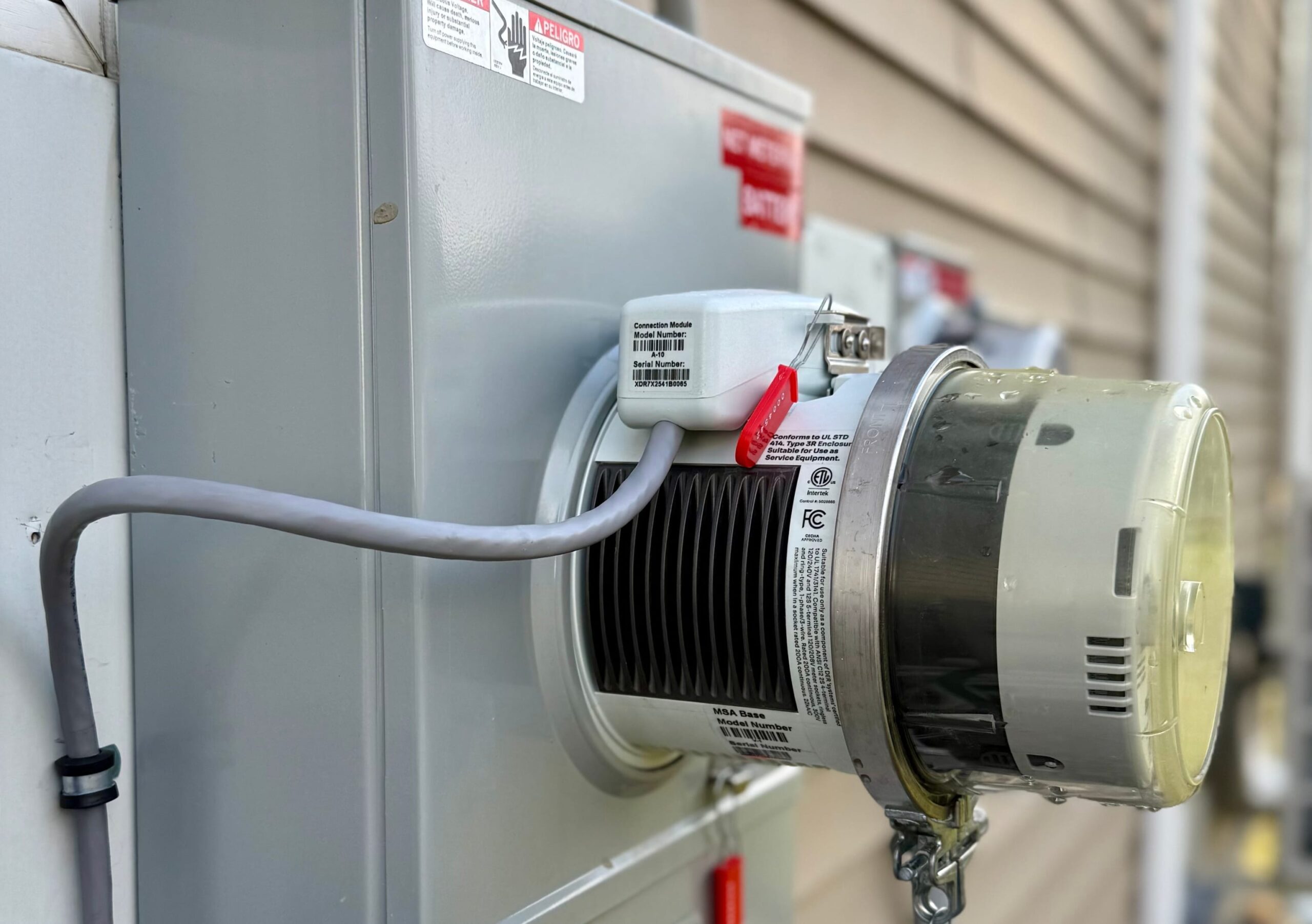
Developed in collaboration with ConnectDER, the 200 A adapter is designed to isolate homes from the grid in under 15 milliseconds. PG&E and SDG&E have approved the hardware, while SCE remains in testing.
The three utilities collectively serve more than 5.38 million residential accounts.
Key Takeaways
- California Utility Clearances: PG&E and SDG&E have approved the Nexis IslandDER meter collar for their service territories. Southern California Edison remains in the witness-testing stage.
- Hardware Separation Alternative: A customer-supplied standalone external meter socket wired to a critical load panel serves as an alternate installation configuration where direct utility meter collar mounting is restricted.
- National Interconnection Footprint: The underlying meter socket adapter hardware platform is approved by 86 electric utilities across 33 states for residential energy deployments.
Eliminating Main Panel Upgrade Bottlenecks on Meter-Mains
The utility clearances target a structural hardware bottleneck across California residential housing, where integrated meter-main combination panels frequently lack the physical breaker space needed for traditional backup equipment.
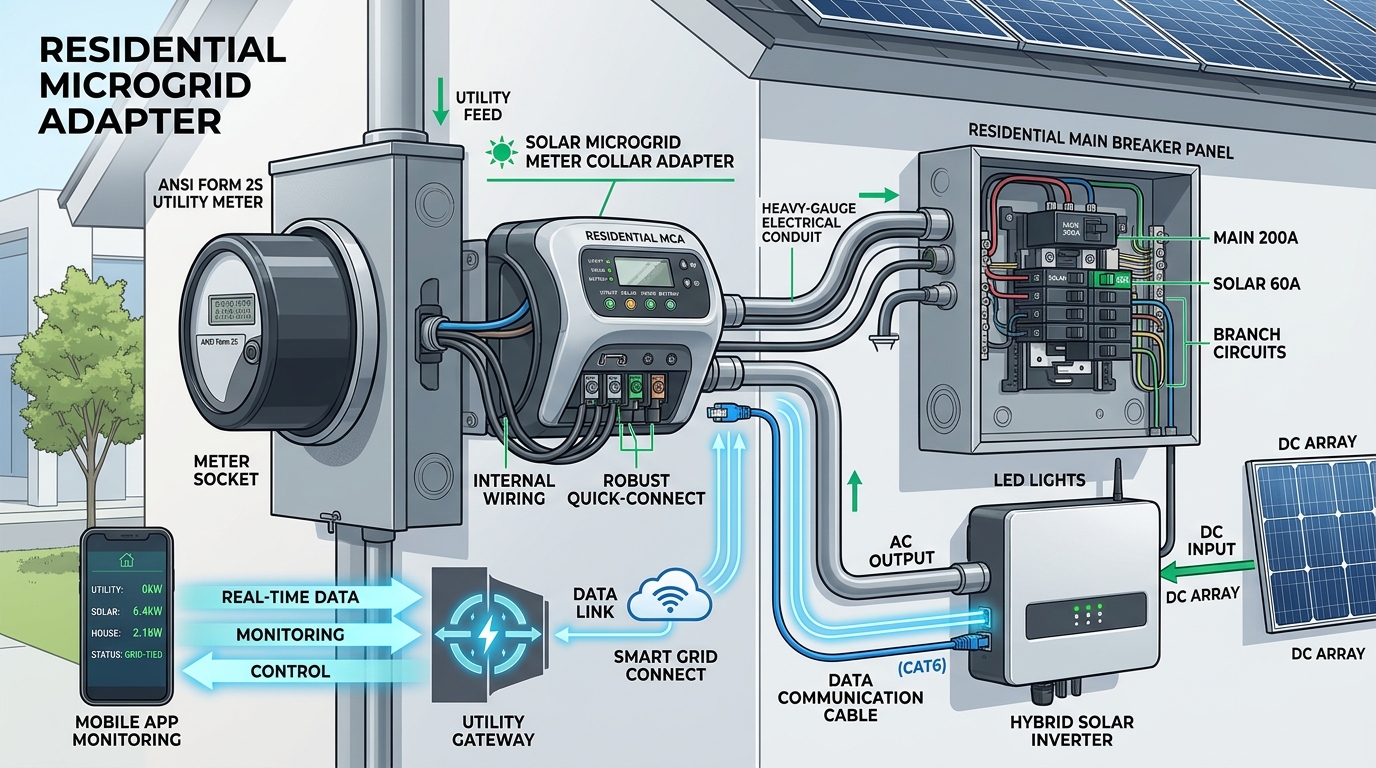
By routing generation and grid isolation directly through the meter collar, installers can establish whole-home backup without invasive load relocations or costly panel modifications. This hardware architecture supports services up to a 200 A continuous current threshold.
Technical specifications detailed in SolarEdge Technologies corporate announcements show the device integrates a native Microgrid Interconnect Device. This system senses grid outages and actuates a physical disconnect in under 15 milliseconds, preventing hazardous backfeeding onto the distribution grid.
The internal instrumentation delivers ANSI C12 class 0.2 revenue metering accuracy for bi-directional energy tracking. Installers link the collar to the primary inverter using standard CAT5e twisted-pair communication cabling up to a maximum run length of 164 feet.
The assembly is housed in a NEMA 3R polycarbonate enclosure certified under UL 414 standards with a 22k AIC short-circuit rating.
California Utility Footprint and Hardware Specifications
According to coverage by Pv Magazine Usa, The regulatory clearance under PG&E residential interconnection rules establishes a standardized installation pathway across Northern and Central California.
PG&E, SDG&E and SCE collectively serve more than 5.38 million residential customer accounts.
In Southern California, compliance with SDG&E meter socket guidelines expands access for coastal households seeking rapid battery integration without main service redesigns. Southern California Edison has not yet completed its witness testing, so the 5.38 million metric represents the three utilities’ combined residential footprint rather than the customer base covered by completed approvals.
Nationally, the underlying meter socket adapter architecture is already permitted by 86 electric utilities across 33 states.
For jurisdictions where local utility rules prohibit mounting an adapter directly behind the billing meter, SolarEdge outlines a distinct compliance pathway. Installers can mount the Nexis IslandDER within a separate, customer-supplied external socket enclosure.
Depending on the approved system design, a customer-owned standalone meter socket can support whole-home isolation or a dedicated essential-load panel for partial-home backup. Installations must comply with applicable electrical codes and equipment requirements.
📅 What to Watch Next
Successful completion of SCE’s witness testing would extend the direct behind-the-meter installation pathway to the third of California’s three major investor-owned electric utilities. Individual installations would remain subject to applicable utility requirements and local electrical approvals.
Key Story Metrics & Analytical Comparison
| Hardware Spec / Territory | Verified Detail | Operational Baseline | Source / Standard |
|---|---|---|---|
| Continuous Current Capacity | 200 A continuous | Standard residential service limit | UL 414 / SolarEdge |
| Grid Disconnect Speed | Under 15 ms | Integrated Microgrid Interconnect Device | SolarEdge Spec Sheet |
| Inverter Communication Range | Up to 164 feet | Standard CAT5e twisted pair cabling | SolarEdge Manual |
| California IOU Clearances | Two of three major utilities approved | PG&E and SDG&E approved; SCE witness testing pending | SolarEdge announcement |
| National Adoption Footprint | 86 utilities across 33 states | National meter socket adapter baseline | Industry Data |
Frequently Asked Questions
How does the Nexis IslandDER avoid a main panel upgrade?
The device inserts directly into the existing meter socket or a standalone external enclosure, routing solar and storage power before it reaches the main circuit breakers. This configuration removes the need to physically modify or replace the existing main distribution panel to add backup circuits.
What installation options exist if a local utility prohibits collars behind the billing meter?
Installers can deploy the hardware inside a separate, customer-supplied external meter socket wired directly to an adjacent critical load panel. This alternative setup provides the same microgrid isolation capabilities while keeping the utility’s primary billing meter separate.