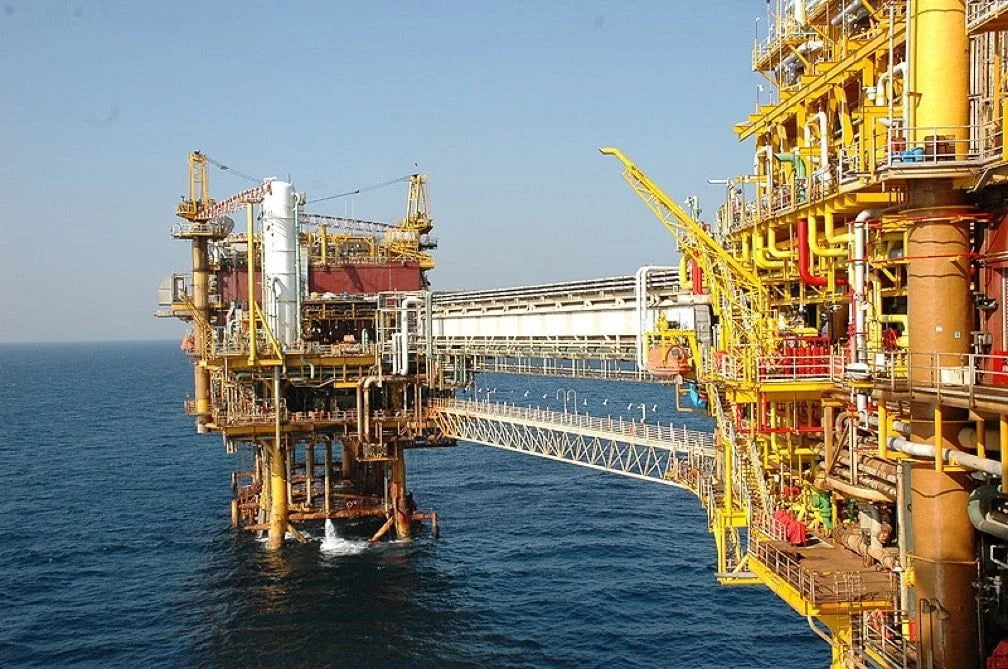
ONGC and BP Sign Major Technical Pact for India’s Western Offshore Basin
British energy corporation BP has partnered with India’s state-owned Oil and Natural Gas Corporation to boost hydrocarbon extraction in the Western Offshore Basin. This Arabian Sea area represents the most productive offshore oil and gas region in India, serving as a foundational element for the country’s domestic energy infrastructure.
Key Highlights
- ONGC and BP finalized a technical services contract to optimize output and mitigate natural production declines in mature fields.
- The state-run Indian firm maintains full ownership and operational management of all assets within the basin.
- BP receives a fixed fee for the initial two years, shifting afterward to a revenue share based on incremental output.
- The alliance supports ONGC’s broader corporate transition toward expanding natural gas output alongside crude oil.
ONGC and BP signed a technical services contract focused on increasing hydrocarbon output across fields in the Western Offshore Basin. The agreement expands on technical advancements previously achieved at Mumbai High. The framework introduces global practices and advanced technologies to optimize extraction, improve operational efficiency, and control natural output declines in aging reservoirs.
Under the specific terms of the transaction, BP functions as the technical services provider for these offshore assets. The state-run Indian corporation retains complete asset ownership and operational control. Shri Hardeep Singh Puri, Minister of Petroleum and Natural Gas, alongside Dr. Neeraj Mittal, Secretary to the Ministry of Petroleum and Natural Gas, attended the signing ceremony.
As the primary national oil company, ONGC drives domestic energy security by generating approximately 64% of India’s aggregate crude oil and natural gas. The Western Offshore Basin contains 43 blocks and operates as the company’s highest-yielding hydrocarbon arena. It has supplied a significant share of national energy requirements for more than four decades.
Shri Kartikeya Dube, BP India Chairman and Senior Vice President, stated that the company aims to apply its global technical experience to optimize production volumes from the basin and strengthen domestic energy infrastructure.
Technical experts from BP will collaborate with multidisciplinary units at ONGC to deploy targeted methodologies across wells, reservoirs, and surface facilities. The joint operations focus on moderating output declines, enhancing total hydrocarbon recovery, and stabilizing long-term asset productivity.
The financial structure specifies that the UK firm will collect a fixed fee during the initial two years. Compensation subsequently transitions to a performance fee tied to a percentage share of revenue from net incremental hydrocarbon production.
Shri Arun Kumar Singh, ONGC Chairman and Chief Executive Officer, noted that the expanded partnership builds upon positive operational results at Mumbai High to drive recovery rates, efficiency, and consistent production growth.
Strategic Shift and Future Outlook
ONGC is undergoing a structural transition to reposition its portfolio as a gas-led energy enterprise. Natural gas volumes have surpassed crude oil output, prompting executive leadership to classify the Maharatna public sector undertaking as a “gas and oil” corporation. This evolution aligns with national targets to elevate natural gas within the domestic energy mix, lowering import costs and cutting carbon emissions.
To achieve an annual gas production growth target of 7% to 8%, the company is accelerating investments in offshore exploration. Key development assets include the Daman field, Discovered Small Field blocks, and the KG-98/2 deepwater asset situated in the Bay of Bengal. The technical contract with BP for the mature western offshore fields directly complements this strategy by stabilizing older assets while new gas wells come online.
FAQs
What is the purpose of the ONGC and BP technical services contract?
The agreement appoints BP as a technical services provider to deploy advanced technologies and global practices within India’s Western Offshore Basin. The collaboration aims to improve recovery rates, enhance operational efficiency, and slow down natural production declines in mature fields.
Who retains ownership of the oil and gas fields under this agreement?
ONGC retains complete ownership and full operational control of all fields and assets within the Western Offshore Basin. BP acts strictly as a technical services provider rather than an equity partner.
How is BP compensated under the technical contract terms?
BP receives a fixed fee during the first two years of the contract. After this initial period, the compensation structure shifts to a service fee calculated as a percentage share of the revenue generated from net incremental hydrocarbon production.
Why is ONGC shifting its focus toward natural gas production?
ONGC is transitioning into a gas-focused energy major because natural gas output has surpassed crude oil production. Supported by favorable government pricing mechanisms and policy incentives, the company is targeting a 7% to 8% annual growth rate in gas volumes to satisfy rising domestic demand and support cleaner energy initiatives.