US-Iran Peace Deal to Revive India Oil Trade
A landmark diplomatic breakthrough between the US and Iran is set to revive energy corridors, with Tehran’s envoy predicting bilateral trade will eclipse historical peaks. The elimination of economic curbs clears the path for Iran to reclaim its position as a primary crude supplier to India’s expanding energy market.
Key Highlights
- Economic Breakthrough: A freshly signed US-Iran peace memorandum paves the way for the complete termination of international and unilateral financial curbs.
- Oil Trade Resumption: The US Treasury will immediately issue trade waivers, allowing Iranian crude oil and petroleum derivatives to flow back into India.
- Historical Benchmarks: Normalizing ties aims to push bilateral commerce far beyond its previous high of $17 billion annually.
- Diplomatic Theater: The peace deal was secured during a high-profile G7 summit dinner hosted by French President Emmanuel Macron in Versailles.
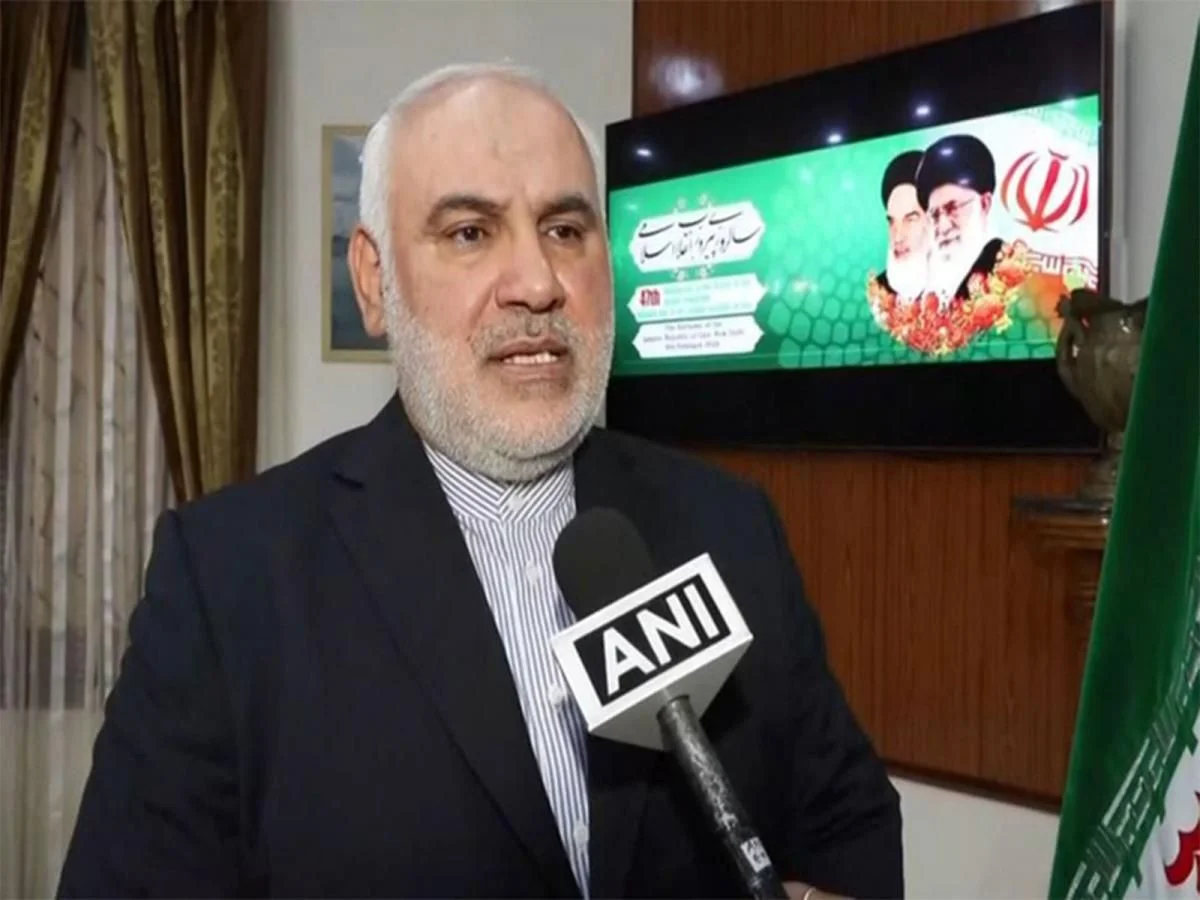
Iranian Ambassador to India Dr Mohammad Fathali expressed strong optimism regarding the economic trajectory following the electronic signing of a peace memorandum of understanding between Washington and Tehran. The envoy noted that total sanctions removal would allow oil shipments to India to resume and drive bilateral trade past previous historical limits.
During an exclusive interaction with ANI, Fathali highlighted that Iran frequently ranked among India’s top three crude oil suppliers prior to the enforcement of economic embargoes. During that period, total bilateral trade volumes regularly crossed $17 billion on an annual basis.
The ambassador emphasized that these historical metrics demonstrate the deep underlying capacity for economic and energy synergy between the two nations.
Fathali reiterated that Iran remains one of the global economy’s largest producers and exporters of hydrocarbons. He maintained that Tehran’s consistent policy centers on supplying energy architecture to any nation seeking resources, noting that New Delhi has historically stood as a vital purchaser with a long, successful partnership track record.
The Iranian diplomat stated that India’s domestic economic growth requires dependable, consistent, and cost-effective energy inputs. He affirmed that Iran maintains the comprehensive production infrastructure necessary to satisfy these strategic requirements.
Consequently, Fathali asserted that once trade restrictions are dismantled and standard commercial conditions return, Iran will undoubtedly re-establish itself as a core oil provider for India.
He noted that the total elimination of trade barriers would not just restart crude streams to Indian refiners, but would also catalyze joint investment frameworks and commercial exchanges to levels reflecting the true capacity of both economies.
The diplomat voiced expectations that the signed accord will guarantee the absolute dismantling of all unilateral and unjust restrictions placed on Iran, specifically targeting the energy export architecture.
Fathali conceded that realizing these objectives demands sustained diplomatic engagement, upcoming rounds of negotiations, and formal consensus on execution timelines. He remarked that if sufficient political determination persists and all signatories honor their commitments, the timeline for sanctions relief could accelerate swiftly.
The official text of the US-Iran Memorandum of Understanding stipulates that Washington commits to ending all categories of sanctions levied against Tehran. This includes rolling back United Nations Security Council resolutions, International Atomic Energy Agency Board of Governors resolutions, and all primary and secondary US unilateral curbs under an explicit timeline.
The bilateral document clarifies that both nations recognize the critical nature of terminating these economic penalties and intend to resolve outstanding procedural details immediately during upcoming negotiation rounds to secure a final, binding pact.
Furthermore, the memorandum binds the United States to utilize the US Department of the Treasury to grant immediate waivers for Iranian crude oil, petroleum products, and related derivatives. These waivers will cover essential financial infrastructure, including banking channels, transactional clearing, maritime insurance, and logistics networks, remaining active until permanent sanctions termination occurs.
This massive geopolitical shift was finalized by US President Donald Trump, who signed the peace memorandum alongside Iranian officials during a G7 summit dinner organized by French President Emmanuel Macron in Versailles.
Future Outlook
The execution of the US-Iran memorandum signals a major realignment for global energy markets and Indian import strategies. As the US Treasury prepares immediate waivers for banking, insurance, and shipping, Indian state and private refiners are expected to rapidly renegotiate term contracts with Tehran. If technical and banking details lock into place smoothly, the swiftly moving sanctions relief could see Iranian crude arriving at Indian ports before the conclusion of 2026, reshaping South Asian energy security.
FAQs
When was the US-Iran peace memorandum signed?
The memorandum of understanding was signed on June 18, 2026, during the G7 summit proceedings held in Versailles.
What was the peak value of India-Iran trade before sanctions?
Bilateral trade between India and Iran previously reached a historical high that exceeded $17 billion annually.
Which sectors are covered by the immediate US Treasury waivers?
The temporary waivers issued by the US Department of the Treasury cover the export of Iranian crude oil, petroleum derivatives, banking transactions, insurance, and cargo transportation services.
Where did Iran historically rank among India’s oil suppliers?
Before the implementation of strict international sanctions, Iran regularly ranked among India’s top three largest crude oil suppliers.