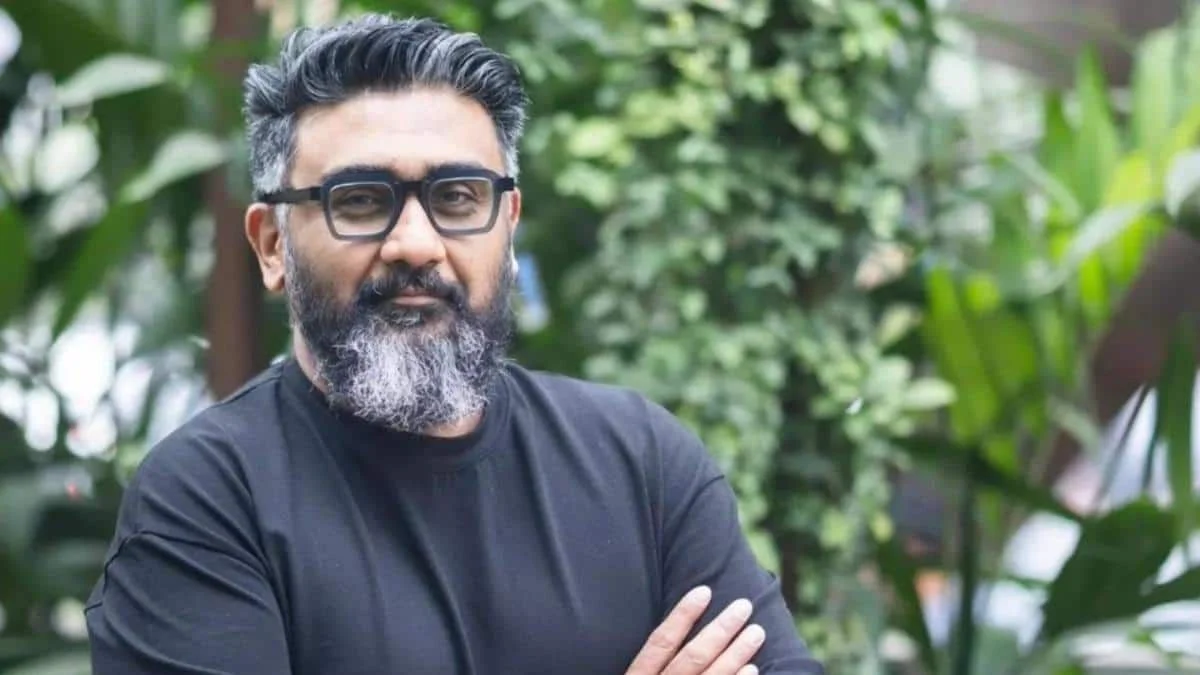
Kunal Shah Named WhatsApp CEO in Meta Management Shakeup
Meta Platforms Inc. has named CRED founder Kunal Shah as the new global chief executive of WhatsApp, executing a major leadership transition alongside a massive $900 million corporate investment into the Indian financial technology startup.
Key Highlights
- CRED founder Kunal Shah will take over as global CEO of WhatsApp.
- Outgoing head Will Cathcart steps down after 7 years leading the platform.
- Meta injects approximately $900 million (₹8,550 crore) into India’s CRED.
- The leadership shift aligns with Meta’s aggressive push into artificial intelligence and digital commerce.
In a sweeping leadership restructuring, WhatsApp’s global head announced his departure after leading the messaging application for nearly seven years, declaring that the service currently maintains its most robust institutional position to date.
Reflecting on his seven-year tenure, the outgoing executive emphasized the global expansion of end-to-end encrypted messaging to more than 3 billion users worldwide. He also highlighted the rollout of critical privacy-focused architecture across group environments, desktop companion hardware, and emerging digital ecosystems.
The departing chief officer designated Indian technology entrepreneur Kunal Shah as his executive successor, lauding his operational history in establishing the fintech platform CRED and his dedication to consumer-facing products.
He voiced absolute certainty that Shah alongside the current management tier will continuously propel product innovation forward while preserving WhatsApp’s foundational commitment to uncomplicated, dependable, and highly confidential global communications.
Why Kunal Shah Matters to Meta
Shah maintains a reputation as one of India’s most prominent technology founders. He established CRED in 2018, turning it into a premier national fintech institution by focusing on credit card rewards, consumer financial products, and interactive user engagement.
Prior to founding CRED, Shah set up FreeCharge, an early pioneer in the Indian digital payments sector that was subsequently bought by Snapdeal.
This executive selection indicates that Meta is actively searching beyond conventional social network managers, prioritizing corporate leaders who possess deep background knowledge in consumer internet software, digital payment pathways, and transactional ecosystems.
What This Could Mean for WhatsApp
This management transition arrives at a pivotal juncture for WhatsApp. Although the software remains among Meta’s most ubiquitous consumer products globally, the parent company is aggressively scaling its enterprise suites, peer-to-peer payment rails, artificial intelligence features, and digital marketplaces.
India continues to represent WhatsApp’s largest standalone market, where hundreds of millions of citizens rely on the infrastructure for daily communication, enterprise operations, banking payments, and consumer support services.
Shah’s extensive background in financial technology has ignited intense market speculation that Meta will introduce a heightened focus on digital financial services and electronic commerce functionalities inside the messaging platform during the coming years.
Meta Deepens Its India Bet
The massive financial infusion into CRED combined with Shah’s executive appointment underscores Meta’s accelerating commitment to India, which has transformed into the primary market engine for the tech giant’s global product suite.
Meta currently commands India’s digital landscape via Facebook, Instagram, and WhatsApp. By deploying significant capital into CRED while drawing its founder into top-tier global corporate governance, Meta is visibly cementing its long-term operational footprint within the Indian technological matrix.
A Significant Leadership Transition
WhatsApp has experienced multiple management restructurings since its corporate acquisition by Meta in 2014. However, importing an external startup entrepreneur to steer the global business represents a profound strategic shift.
For Meta, the incoming chief executive signals a corporate urgency to transform WhatsApp past standard text communication. For Shah, the shift marks an evolution from scaling a highly valued regional startup to commanding a communication platform utilized by billions of global citizens.
If this corporate strategy proves successful, Meta will have secured a leader capable of evolving WhatsApp into an all-encompassing super-app. At the very least, few executive trajectories match transitioning from rewarding consumers for credit card bills to running the world’s largest communication utility.
Future Outlook
The inclusion of Shah points directly toward an artificial intelligence and commerce-centric future for WhatsApp. Meta Chief Product Officer Chris Cox confirmed the internal talent hunt targeted an executive capable of navigating the massive shifts that AI integration will bring to global products. As outgoing head Will Cathcart shifts to an internal product incubation role at Meta, WhatsApp is poised to transition from a pure messaging system into a comprehensive ecosystem for automated AI interactions, business enterprise tools, and embedded financial services.
FAQs
Why is Will Cathcart leaving his position at WhatsApp?
Will Cathcart decided to step back from his role as the head of WhatsApp after leading the communication platform for seven years. He will remain at Meta to focus on developing new products from the ground up.
How much money did Meta invest in CRED?
Meta invested approximately $900 million (around ₹8,550 crore) into the Indian financial technology company CRED as part of the structured leadership transition.
What is Kunal Shah’s professional background before joining WhatsApp?
Kunal Shah is a prominent Indian entrepreneur who founded the fintech platform CRED in 2018. Prior to that, he founded FreeCharge, one of India’s earliest digital payments startups, which was later acquired by Snapdeal.
How many users does WhatsApp currently have globally?
WhatsApp has scaled to support more than 3 billion users worldwide, experiencing significant growth including expanding to more than 100 million users within the United States.