India-Iran Energy Synergy: New Delhi, Tehran Explore Hydrocarbon Sector Ties
Indian Oil Minister Hardeep Puri held bilateral talks with Iranian Petroleum Minister Mohsen Paknejad in New Delhi to explore fresh cooperation opportunities across the strategic energy sector. The high-level meeting underscores India’s ongoing diplomatic commitments to enhancing its long-term energy security through mutually beneficial global partnerships.
Key Highlights
- Indian and Iranian energy ministers met bilaterally in New Delhi to discuss deep hydrocarbon sector integration.
- The strategic talks coincided with the 11th BRICS Energy Ministerial meeting hosted under India’s 2026 chairship.
- India reaffirmed its commitment to international energy security through sustained dialogue and commercial partnerships.
- The meeting comes amid broader global energy market shifts, including a 6.1 million barrel drop in U.S. crude stocks.
US commercial crude oil inventories fall by 6.1 million barrels in June: EIA
The EIA said commercial crude oil inventories, excluding the Strategic Petroleum Reserve, decreased by 6.1 million barrels to 412.1 million barrels during the week. Inventory levels were 7 per cent below the five-year average for this time of the year.
Domestic commercial crude stockpiles in the United States recorded a sharp contraction during the week ending June 19, despite an absolute increase in crude imports and sustained high-capacity refinery operations. Official data published by the U.S. Energy Information Administration (EIA) confirmed that commercial oil inventories, omitting the Strategic Petroleum Reserve, dropped by 6.1 million barrels down to 412.1 million barrels. This current inventory aggregate hovers 7% underneath the typical five-year seasonal average.
The formal statistical update verified, “Commercial crude oil inventories (excluding the Strategic Petroleum Reserve) decreased by 6.1 million barrels“. U.S. refining facilities processed an estimated 17.1 million barrels per day (b/d) throughout this timeframe, marking a minor dip of 81,000 b/d from prior weekly metrics. Total refinery capacity utilization adjusted to 96.1%.
Motor gasoline manufacturing averaged 9.5 million b/d, whereas distillate fuel output climbed up to 5.2 million b/d. The EIA noted a daily import expansion of 436,000 b/d, pushing crude imports to 5.6 million b/d. Even so, the rolling four-week import average calculated at 5.7 million b/d reflects a 4% annual decline.
Weekly gasoline imports averaged 647,000 b/d, while distillate product imports sat at 135,000 b/d. Conversely, inventories for alternative petroleum derivatives grew. Finished gasoline stocks increased by 2.1 million barrels, remaining 5% below historical five-year averages. Distillate fuel stockpiles rose by 3.1 million barrels, resting 10% lower than the five-year baseline.
Propane and propylene reserves expanded by 2.6 million barrels, climbing 35% higher than the five-year average. Net commercial petroleum inventories softened by 0.5 million barrels over the week. Demand metrics showed mixed trajectories, with total product supplied averaging 20.5 million b/d over four weeks, a 2% yearly increase.
Implied gasoline demand fell 3% down to 8.8 million b/d. Meanwhile, distillate demand experienced a 3% lift to hit 3.6 million b/d. Aviation jet fuel demand also posted a modest 1% expansion compared to identical timelines from the prior year.
The data illustrates a significant drawdown in raw U.S. stockpiles backed by aggressive refinery operations, balanced against uneven consumption patterns across refined fuel brackets.
US Crude Oil Stocks Dip Despite Rising Imports
US crude oil inventories fell by 6.1 million barrels in the week ending June 19, despite increased imports and high refinery activity. Gasoline and distillate fuel production rose, while overall commercial petroleum inventories dropped slightly. Fuel demand trends showed mixed results across various categories.
American crude inventories sustained a distinct contraction during the week concluding June 19, overcoming a baseline rise in inbound shipments. The EIA verified that commercial energy stockpiles, disregarding government strategic reserves, dropped by 6.1 million barrels to settle at 412.1 million barrels.
This volumetric drawdown materialized while domestic refineries maintained an elevated processing threshold, operating at 96.1% capacity. Processing facilities handled 17.1 million barrels daily, down marginally from the week prior. Crude imports climbed by 436,000 b/d to hit 5.6 million b/d, though longer-term averages trail historical records.
Concurrently, aggregate gasoline and distillate reserves experienced volume increases, with distillate output stretching to 5.2 million b/d. Total commercial petroleum inventories registered a minor drop. The macro data highlights diverging consumption habits, showing scaled-back gasoline usage alongside rising distillate and aviation fuel needs.
Gulf Tensions: Oil Prices Stabilize as Diplomatic Negotiations Unfold
Oil prices returned to pre-war levels as U.S. officials confirmed normalizing flows through the Strait of Hormuz. U.S. diplomatic efforts aim to secure a preliminary agreement with Iran despite rising tensions. However, regional skepticism remains, with Iran warning of reclaiming control and U.S. allies voicing concerns over the accord’s implications.
Global oil benchmarks settled lower on Thursday, retreating toward pre-conflict values. The downward pricing pressure followed U.S. declarations that commercial maritime transit through the Strait of Hormuz is returning to baseline capacities. The market adjustment coincided with a regional diplomatic mission by Washington’s top diplomat to consolidate a provisional framework with Tehran.
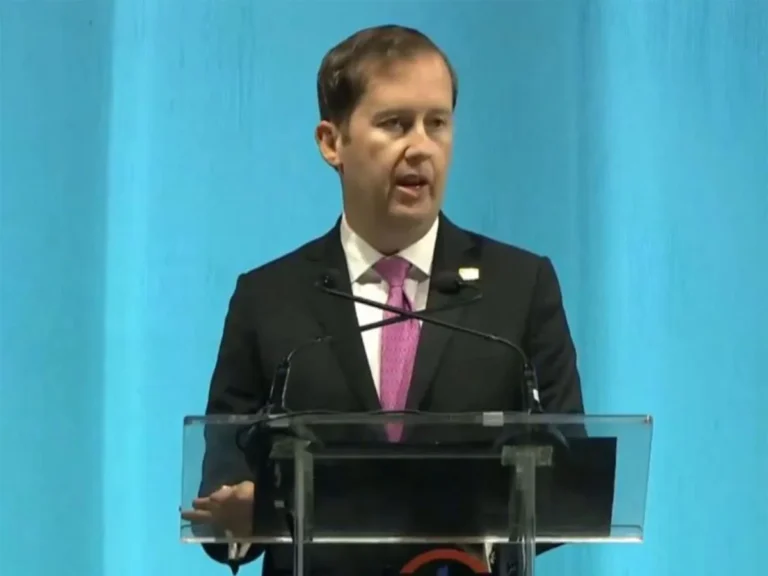
U.S. Energy Secretary Chris Wright stated on Wednesday that shipping volumes traversing the critical transit point are approaching standard operational baselines seen prior to the joint U.S. and Israeli military strikes executed against Iran in February 2026.
Tehran remains firm, with the Islamic Revolutionary Guard Corps defining unapproved shipping pathways as hazardous. The International Maritime Organization indicated that 57 commercial vessels have transited the strait since June as part of a coordinated evacuation strategy. Concurrently, U.S. officials continue reassuring regional partners of long-term stability.
In Washington, domestic political friction persists over the White House’s diplomatic posture toward Iran. The U.S. Senate rejected legislative efforts designed to mandate an immediate end to hostilities, offering a political buffer to the administration. Crucial negotiations will continue regarding unresolved components like financial concessions and nuclear monitoring protocols.
Iran and India Seek to Strengthen Hydrocarbon Cooperation
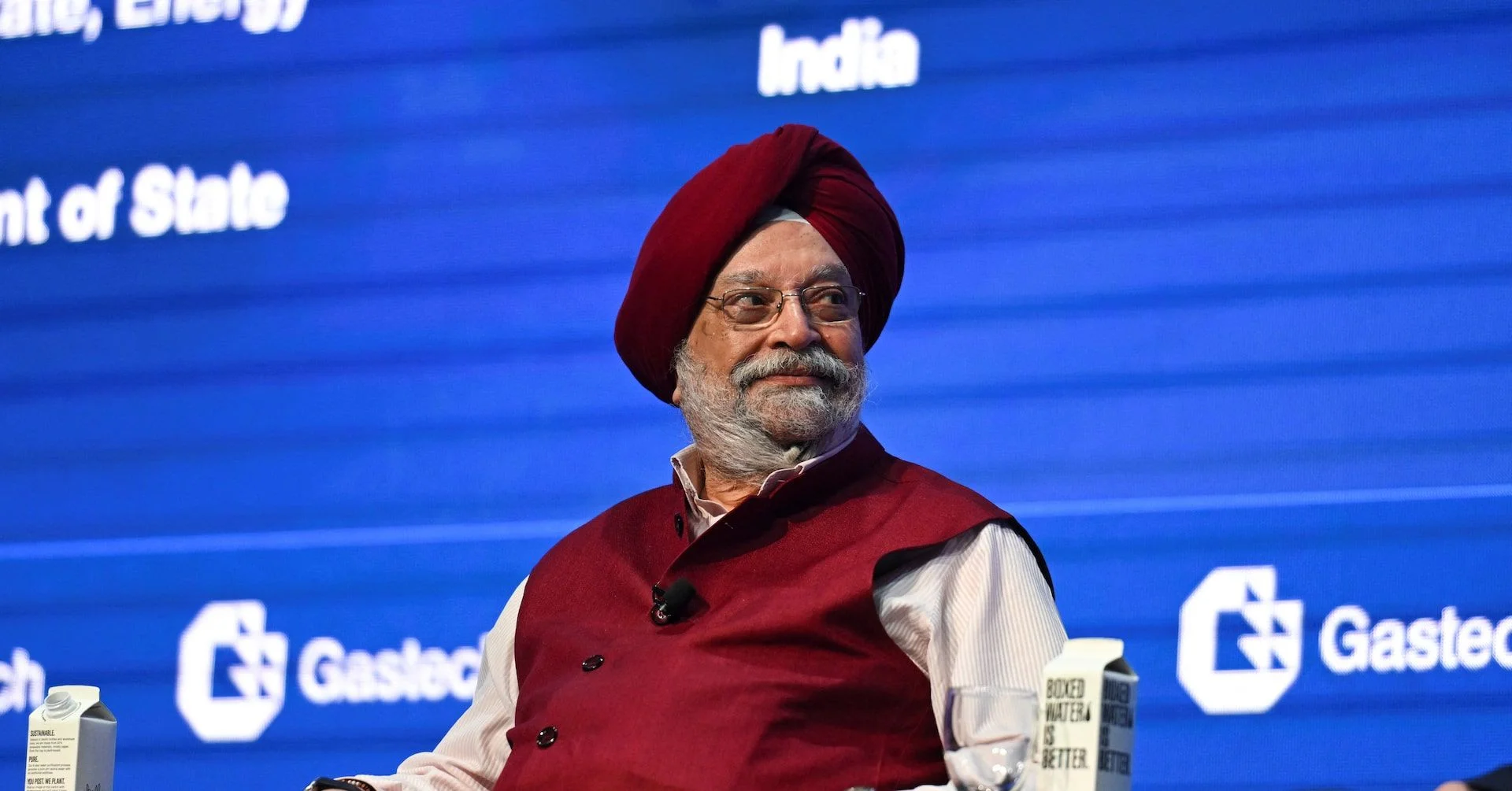
Iran’s Petroleum Minister Mohsen Paknejad and India’s Union Minister Hardeep Singh Puri met to discuss enhancing cooperation in the hydrocarbon sector during the 11th BRICS Energy Ministerial meeting. The talks focus on expanding bilateral collaboration amidst global energy market uncertainties, reflecting longstanding India-Iran relations.
In a key diplomatic maneuver, Iran’s Mohsen Paknejad and India’s Hardeep Singh Puri held focused talks aimed at cementing bilateral ties across the hydrocarbon landscape. The meeting took place on Thursday on the sidelines of the 11th BRICS Energy Ministerial assembly, convened under New Delhi’s active 2026 BRICS chairship.
Paknejad leveraged the forum to outline Iran’s strategic vision regarding contemporary international energy security problems. Pointing to the deep cultural and historical trade links connecting Tehran and New Delhi, the Iranian minister emphasized his nation’s eagerness to broaden industrial energy collaborations.
Amid ongoing geopolitical friction involving Iran and Western powers, the ministers concentrated on reviving trade avenues in upstream oil and gas production. These talks build directly upon a recently finalized 14-point Memorandum of Understanding.
Future Outlook
As India navigates volatile global supply lines, reviving institutional ties with Iran provides a strategic hedge against sudden market disruptions. Moving into the second half of 2026, the implementation of the 14-point Memorandum of Understanding will serve as a critical framework for energy trade infrastructure. However, the ultimate trajectory of India-Iran hydrocarbon cooperation remains heavily dependent on whether Washington and Tehran can successfully finalize their preliminary maritime and nuclear protocols, which would ease international compliance pressures for New Delhi’s state-run refiners.
FAQs
What did India and Iran discuss during the June 2026 meeting?
India’s Oil Minister Hardeep Puri and Iran’s Petroleum Minister Mohsen Paknejad met in New Delhi to explore mutual cooperation and investment opportunities within the oil, gas, and broader hydrocarbon sectors to bolster mutual energy security.
What event hosted the bilateral energy talks between India and Iran?
The strategic meeting occurred during the 11th BRICS Energy Ministerial meeting, which was hosted by India in New Delhi under its official 2026 BRICS Chairship.
How much did U.S. commercial crude oil inventories drop according to the EIA?
The U.S. Energy Information Administration reported that commercial crude oil inventories decreased by 6.1 million barrels, bringing total reserves down to 412.1 million barrels for the week ending June 19, 2026.
Why did global oil prices stabilize at pre-war levels in late June 2026?
Oil prices normalized following announcements by U.S. officials that commercial shipping flows through the strategically vital Strait of Hormuz were returning to normal levels after regional disruptions earlier in the year.