IndiGo Surpasses Air India in International Passenger Volume
IndiGo has executed a major international network expansion to protect global travelers and corporate expatriates from severe capacity constraints and operational disruptions. This strategic shift allows the Indian aviation leader to outpace Air India and bypass ongoing international transit complications.
Key Highlights
- IndiGo carried approximately 870,000 international passengers in April 2026, surpassing the Air India family’s 850,000 flyers.
- The operational shift was prompted by DGCA data amid rising fuel prices and persistent West Asia airspace restrictions.
- Both carriers are modifying networks, with IndiGo focusing on point-to-point routes and Air India accelerating fleet modernization.
Expanded Overview: The Massive Scale of the Aviation Integration
This network expansion serves as a major development for corporate travelers looking to avoid international transit gridlock. For a long time, major departure corridors faced significant logistical strain. This frequency exposed travelers to sudden schedule adjustments and vulnerable connecting flights across the Middle East. This operational vulnerability became apparent in the latest passenger volume report.
Directing traffic through restricted West Asian airspace previously created significant logistical friction. Authorities struggled to manage large passenger volumes while facing rising aviation turbine fuel prices. By implementing this international network overhaul, IndiGo has enhanced passenger transit resilience through India.
While global airport managers try to reduce disruption damage, Indian airlines are executing a major logistical reset. Carriers are avoiding regional capacity collapses to protect against cascading financial losses. Travelers are shielded from missing trips due to airspace closures. This strategy restores ticket confidence, replacing slow pipelines with a dependable departure framework. Airlines are rerouting flights over longer durations to secure high-revenue global routes.
Section-Wise Breakdown of the Transit Defense
The West Asia Geopolitical Defense
Operational disruptions across major gateway hubs can leave thousands of passengers waiting in departure lounges. Indian airlines are using route restructuring to navigate the ongoing West Asia crisis. Following recent capacity planning initiatives, IndiGo and Air India are altering flight schedules and reducing frequencies on restricted routes.
This operational adjustments stabilize regional efficiency. The changes protect tourists from extended terminal overstays by ensuring flights avoid hazardous zones entirely.
The IndiGo Global Expansion
The travel chaos isolating critical tourism economies is being managed through strategic route planning. Operations are being integrated to target Asia, Europe, and the Middle East. Ground crews are optimizing direct traffic to these lucrative markets as IndiGo launches new destinations and foreign carrier partnerships.
This strategic growth provides a secure path for tourists to explore multiple regions. Travelers can now avoid the friction of complex, multi-carrier itineraries. This strategy helps the airline capture high-yield expatriate and business traveler segments.
The Defense Through Air India’s Transformation
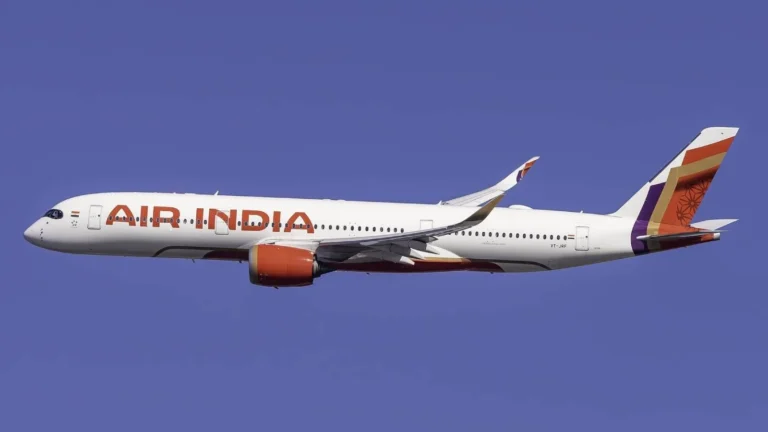
This operational environment highlights the broader aviation industry’s vulnerability to older fleets. Beyond the severe cancellations affecting legacy carriers, fleet modernization initiatives are influencing Air India’s reservation systems. This procedural shift helps protect premium long-haul markets.
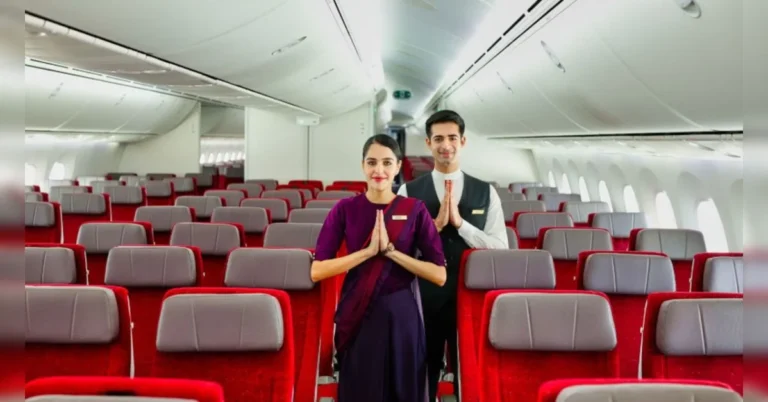
To ensure disruptions no longer impact travelers on global corridors, Air India is introducing new aircraft. The carrier is upgrading passenger experiences to counter IndiGo’s rapid point-to-point expansion and remain competitive.
Verified Integration Data: The Aviation Defense Matrix
To understand the scale of this coordinated strategy against regional travel disruptions, the following data table reflects the exact operational parameters documented by the DGCA for April 2026:
| Strategic Aviation Metric / Carrier | Operational Details |
|---|---|
| Official Reporting Agency | DGCA (Directorate General of Civil Aviation) |
| Reporting Period | April 2026 |
| IndiGo International Passenger Volume | Approximately 870,000 Passengers |
| Air India Family International Passenger Volume | Approximately 850,000 Passengers |
| Primary Operational Hurdles | West Asia conflict, airspace rerouting, high aviation turbine fuel costs |
| IndiGo Core Strategy | Rapid international expansion, increased frequencies, foreign partnerships |
| Air India Core Strategy | Fleet modernization, premium service upgrades, long-haul resilience |
By analyzing these operational shifts, travel authorities aim to protect future passengers from international transit disruptions.
Passenger Impact: Surviving Terminal Friction
For global commuters navigating this challenging travel environment, market competition provides a critical alternative. When connecting networks face scheduling delays across West Asia, carriers often implement sudden capacity withdrawals, leaving corporate and leisure tourists stranded.
By utilizing optimized route networks, high-yield travelers are protected from missed connections. This strategy insulates passengers from the physical stress of crowded transportation hubs, securing preferred itineraries as airlines manage connected traffic bridging India with global markets.
Industry Analysis: What Triggered the Aviation Overhaul?
Managing unprecedented flight cancellations demands an overhaul of traditional airline network management. To prevent financial losses during global travel disruptions, airlines recognize that routing passengers through sensitive airspace without safety oversight is unsustainable during peak transit demand.
The global aviation industry is working to eliminate localized routing strain across international networks by competing on fuel efficiency. Operating within volatile West Asian airspace alters the approach for outbound traffic. This shift forces carriers like IndiGo and Air India to rely on strategic route planning to manage ground operations pressures through reliable connectivity.
Conclusion: A Disruptive Industrial Warning
The operational integration reflected in the DGCA passenger figures serves as a clear indicator to rival global carriers regarding the fragility of scattered airline operations. By demonstrating that optimizing direct traffic through a structured safety framework can reduce cascading delays and passenger complaints, Indian carriers are securing vital regional connectivity.
The aviation sector is shifting away from disorganized route mapping toward a resilient travel framework built on regulatory efficiency. This approach opens access to a growing travel economy that depends on reliable passenger flows.
What Guests Get: Immediate Passenger Ramifications
IndiGo has expanded its network dominance through rapid international execution.
Future Outlook
The shifting dynamics between IndiGo and Air India signal a structural transformation in India’s aviation market. As IndiGo acquires more wide-body aircraft and expands its foreign codeshare partnerships, it will challenge legacy carriers on long-haul routes. Meanwhile, Air India’s multi-billion-dollar fleet renewal will likely intensify competition for premium international traffic, turning India into a primary global transit hub.
FAQs
Which airline carried more international passengers from India in April 2026?
IndiGo carried approximately 870,000 international passengers, surpassing the Air India family, which carried around 850,000 passengers during the same period.
What regulatory body provided the passenger volume data?
The data was officially documented and released by the Directorate General of Civil Aviation (DGCA) in India.
What are the main operational challenges currently facing these Indian airlines?
The primary operational challenges include the ongoing West Asia conflict, the necessity of airspace rerouting, and high aviation turbine fuel costs.
How is Air India responding to IndiGo’s international expansion?
Air India is focusing on a comprehensive fleet modernization strategy, upgrading passenger experiences, and enhancing long-haul resilience to protect its premium market share.