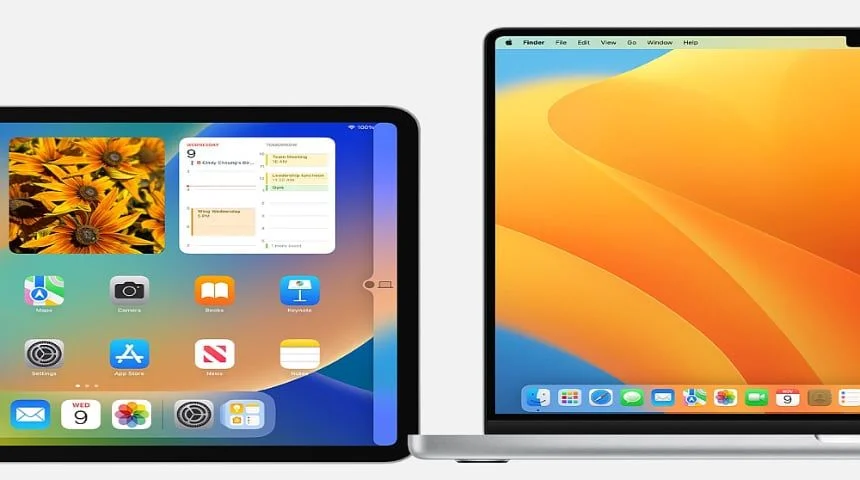
Apple Raises Mac and iPad Prices Globally Amid AI Memory Crisis
Apple escalated retail pricing for its Mac computing and iPad tablet portfolios worldwide, responding to an unprecedented surge in memory and storage manufacturing costs. This hardware inflation stems from aggressive corporate investments in artificial intelligence infrastructure, leaving regional consumer markets like India facing the most severe financial impacts.
Key Highlights
- Global semiconductor resource allocation toward data centers triggered a severe consumer component deficit.
- Indian retail hardware prices surged up to 74% due to simultaneous currency benchmark adjustments.
- Component vendors recorded historic profitability, with Micron gross margins jumping to 86%.
- Popular hardware lines like the iPhone remain insulated from immediate component cost shocks.
AI Boom Reshapes Memory Market
Apple asserts that intense infrastructure demand from enterprise artificial intelligence networks fundamentally restructured global semiconductor supply dynamics, driving severe component inflation.
A corporate representative confirmed that skyrocketing data hub construction sparked immediate, massive procurement struggles for memory modules. The company stated the velocity and scale of these component price increases lack historical precedent.
Corporate management claims it absorbed these elevated manufacturing costs for multiple quarters before concluding that retail price adjustments were mandatory.
Industrial research indicates core memory component costs expanded over four-fold since 2025. This escalation occurred as silicon foundries prioritized high-margin enterprise orders from hyper-scale data center operators over consumer electronics clients.
Major semiconductor suppliers like Micron redirected massive production volumes toward serving enterprise AI infrastructure needs. This strategic shift sharply constricted the component volume available for mass-market laptops, mobile tablets, and traditional hardware.
Macs and iPads Become Costlier
Apple enacted sweeping price upward revisions across its core portable computer and tablet lineups.
Domestic market updates in the United States show retail pricing moving upward between $30 and $300, heavily dependent on specific device configurations.
Primary retail hardware adjustments within Western markets include:
- 14-inch MacBook Pro: Shifted from $1,700 to $2,000
- iPad Air: Escalated from $600 to $750
- iPad Pro: Scaled up from $1,000 to $1,200
- Apple TV: Received significant upward adjustment
- Entry-level MacBook Neo: Increased from $599 to $699
Indian Buyers Hit Harder
The pricing calibrations applied across South Asian consumer segments reflect significantly higher percentage steps.
Official regional digital storefront listings indicate that numerous computing platforms and tablets became between 15% and nearly 60% more expensive overnight.
Prominent local currency product pricing adjustments include:
- MacBook Air: ₹119,900 up to ₹149,900 (25%)
- MacBook Pro 14-inch: ₹189,900 up to ₹239,900 (26%)
- iMac desktop: ₹134,900 up to ₹174,900 (nearly 30%)
- Mac mini: ₹59,900 up to ₹94,900 (over 58%)
- iPad Pro 11-inch: ₹99,900 up to ₹139,900 (40%)
- iPad Air tablet: ₹64,900 up to ₹89,900 (38.5%)
- Standard baseline iPad: ₹34,900 up to ₹49,900 (43%)
- Apple TV 4K: ₹14,900 up to ₹25,900 (around 74%)
Premium device configurations demand financial premiums stretching ₹30,000 to ₹50,000 above prior standard regional market rates.
Regional industry market intelligence reveals that domestic hikes outpace international trends because corporate finance teams simultaneously updated local currency exchange conversion modeling formulas.
For consecutive financial cycles, corporate operations maintained an internal fiscal translation benchmark valuing $1 at approximately ₹100. The elimination of this legacy benchmark instantly exaggerated the consumer pricing impact.
Additionally, premium hardware tiers integrating advanced processing architectures faced localized shocks. The advanced 14-inch MacBook Pro containing elite M5 Pro silicon scaled to ₹2,999,000 from an initial baseline launch mark of ₹2,499,000.
Similarly, larger premium tablets encountered aggressive corrections. Baseline editions of the 13-inch iPad Air scaled up 41.22%, shifting regional costs to ₹119,900 against an initial release mark of ₹84,900.
Upgrades Also Become More Expensive
The aggressive financial revisions hit custom device configurations beyond basic standard models.
Corporate retail platforms concurrently altered pricing tiers for internal memory expansions and solid-state drive upgrades.
Basic RAM expansion packages previously holding stable at ₹20,000 converted to revised rates of ₹24,000, while larger storage allocations faced parallel escalations.
Consequently, technical professionals requiring custom computing builds face significantly deeper overall platform investments.
Industry-Wide Impact Expected
Supply chain networks signal that structural component shortages are fundamentally reordering consumer technology manufacturing finance globally.
As enterprise conglomerates construct massive machine-learning server environments, consumer hardware brands find themselves entirely outbid for critical dynamic random-access memory and flash storage modules.
Industrial intelligence firms maintain this does not reflect a cyclical interruption but an enduring, structural transformation of global semiconductor manufacturing ecosystems.
Counterpoint Research suggests higher baseline bill-of-materials expenditures will endure permanently. This forces manufacturing operations to pivot heavily toward high-tier devices featuring localized AI accelerators and premium displays to secure enterprise margins.
Global laptop logistics volumes will likely moderate following a robust 2025 cycle, though high-end enterprise AI units will preserve upward momentum. General tablet logistics face contractions from inventory balancing actions and costly memory input requirements.
Competing personal computer brands enacted multiple rolling price revisions throughout 2026, with further consumer technology hikes anticipated if raw silicon costs sustain their upward trajectory. Brands will likely contract promotional discounts while prioritizing high-margin hardware portfolios.
CyberMedia Research indicators emphasize that Apple acted as a lagging defensive block, delaying consumer pass-through costs for several months via massive inventory reserves. Analysts note that when a supply leader famous for procurement efficiency passes costs along, it proves industrial pressures have breached corporate defenses.
Counterpoint Research leadership added that the timing creates severe strategic headwinds. The adjustments arrive right as Apple prepares to launch localized intelligence suites requiring substantial on-device physical memory allocations, directly threatening near-term volume demand.
Indian Consumers Face Higher Bills
Market researchers emphasize the domestic rollout timing heavily penalizes mainstream consumer segments during critical seasonal windows.
Academic student bodies entering university cycles, creative content developers, and technical enterprises require platform upgrades during a period of high hardware premium exposure.
Consumers relying on custom memory allocations encounter compounding financial penalties given parallel component upgrade pricing hikes.
While mainstream communication platforms like the iPhone remain insulated from immediate action, sustained multi-quarter supply shortfalls could ultimately risk broader personal technology inflation if raw memory availability fails to normalize over the coming two years.
Future Outlook
The global semiconductor ecosystem faces a structural deficit that market experts project will persist until at least 2028. Silicon fabricators continue prioritizing hyper-scale enterprise infrastructure contracts, which offer superior profit margins compared to standard personal computer components. As a result, consumer technology brands must navigate permanent baseline cost inflation, cementing an industry-wide transition toward high-cost premium devices.
FAQs
Why did Apple increase Mac and iPad prices?
Apple adjusted product pricing due to an aggressive global surge in memory and storage component costs. This component inflation is directly driven by the rapid, massive expansion of enterprise artificial intelligence data centers, which consume vast amounts of high-performance semiconductor components.
How much did MacBook and iPad prices rise in India?
Retail prices on Apple’s regional storefront in India increased between 15% and nearly 60% depending on the specific model. For instance, the Mac mini surged by over 58%, while the baseline iPad and iPad Pro witnessed increases of 43% and 40% respectively.
Are iPhone prices affected by these price increases?
No, Apple has chosen to leave its iPhone pricing unchanged for the time being. This strategy shields its most critical high-volume global revenue generator from immediate consumer market pushback while component pressures are managed.
Why are the price increases in India higher than in the US?
The increases in India are steeper because Apple simultaneously revised its product prices and changed its internal currency exchange rate assumptions. The company transitioned away from its long-standing internal valuation benchmark of roughly 1 USD to ₹100.
Will other computer and tablet brands also raise prices?
Yes, multiple personal computer manufacturers have already raised hardware prices throughout 2026. Industry analysts project that widespread component cost pressures will force other consumer electronics brands to continue increasing prices and cutting retail discounts.