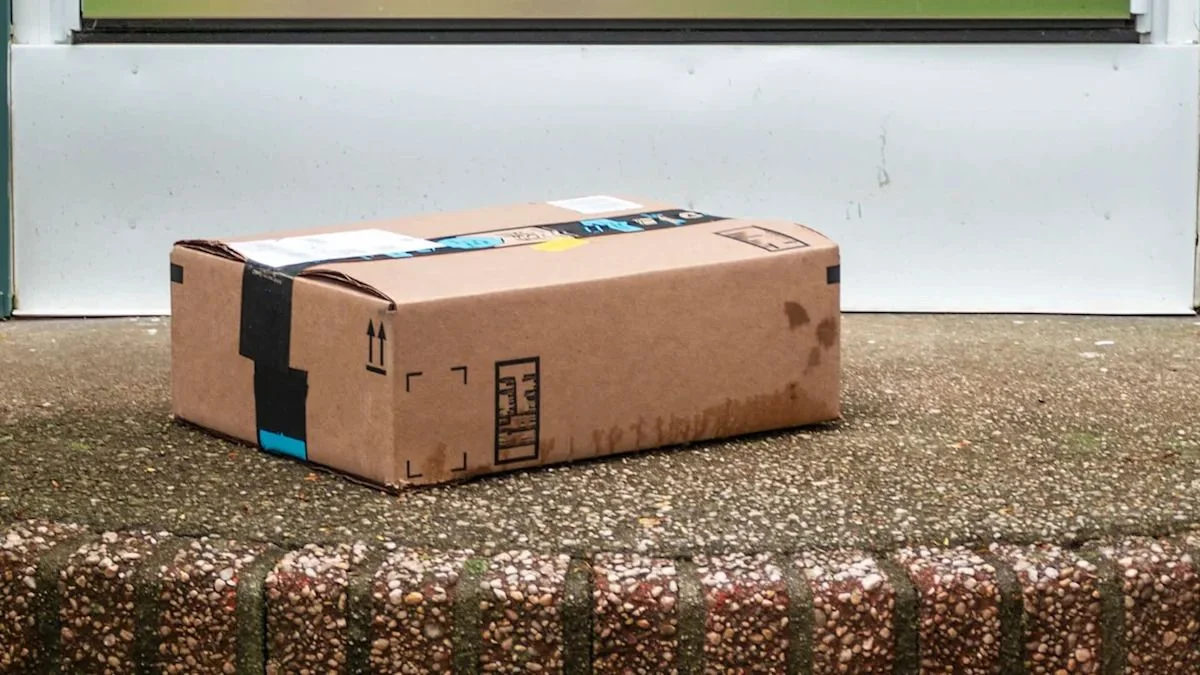
Live Cobra Found Inside Amazon Package in Bengaluru
A routine e-commerce delivery escalated into a hazardous incident in Bengaluru, India, when a local couple unboxed an Amazon parcel to discover a live, venomous cobra trapped inside the packaging tape. The volatile situation has intensified scrutiny over supply chain safety and encroaching urban wildlife habitats.
Key Highlights
- A Bengaluru couple discovered a live cobra stuck to their Amazon Prime package tape.
- The delivery contained an Xbox controller ordered online.
- Amazon issued a complete financial refund after the online In Bengaluru, India, a routine residential delivery transformed into a perilous encounter when a local couple unboxed an online order and discovered a live cobra attached to the adhesive packaging tape.
Digital According to media reports from India Today, the homeowners discovered the highly venomous snake immediately upon opening the shipping box. Subsequent video coverage showed the reptile thrashing inside a red bucket while attempting to free itself from the adhesive.
An eyewitness shared the recorded footage on the social media platform X, confirming the incident occurred on Sarjapur Road after a family ordered an Xbox controller. The observer noted that the dangerous animal remained immobilized by the shipping tape.
Following the circulation of the evidence filmed by the customers alongside local witnesses, India Today confirmed that Amazon processed a full financial refund for the safety incident.
Why does it matter?
Beyond the initial shock of the event, the logistical mishap underscores severe occupational and public safety hazards. Cobras possess highly lethal venom, and the outcome could have proved catastrophic had the reptile not been physically restricted by the tape.
This operational danger extends past the end consumers to encompass fulfillment center personnel, logistics handlers, local couriers, and residential neighbors who interacted with the parcel throughout its transit route.
The snake discovery also highlights a growing systemic challenge driven by human development. As metropolitan borders rapidly expand and corporate supply networks pierce deeper into rural environments, native wildlife faces frequent displacement.
While investigators have not established how the reptile breached the corporate supply chain, accelerating urban sprawl, distribution warehouses, and transit lines increasingly intersect with natural habitats. Safety experts advise citizens to contact animal control professionals rather than handling dangerous wildlife independently.
The event serves as an stark indicator of how expanding industrial footprints fracture natural ecosystems, escalating the frequency of volatile encounters that jeopardize both human populations and native wildlife species.
Future Outlook
As global logistics infrastructure automates and expands to meet rising consumer demands, specialized warehouse security and bio-inspection protocols will likely become standard operating procedures. The integration of high-density fulfillment centers into formerly rural regions requires stricter environmental monitoring to prevent dangerous fauna from entering transport pipelines. Moving forward, e-commerce giants face mounting pressure to secure supply chains against biological hazards, protecting both logistics laborers and end consumers from unpredictable wildlife interactions.
FAQs
What happened during the Amazon delivery incident in Bengaluru?
A married couple living on Sarjapur Road in Bengaluru ordered an Xbox controller online and received a live, venomous cobra stuck to the packaging tape of their Amazon Prime shipping box.
How did Amazon respond to the snake delivery incident?
Following public verification from eyewitnesses and recorded video evidence of the highly venomous snake, Amazon issued a complete financial refund to the affected customers.
What should you do if you find a dangerous animal in a package?
If you encounter a dangerous or venomous animal inside a delivery, isolate the package safely if possible and immediately contact local wildlife law enforcement or professional animal control experts instead of attempting to handle the animal yourself.
Similar Posts
Jabil Scales Up India Manufacturing With New Mega-Facility In Pune
Jabil Inc. opens a massive advanced manufacturing facility in Pune, more than doubling its footprint and workforce to support global tech supply chains.
AGK Fire Inc SocialNewsXYZ Platform Details Revealed
Indo-American portal SocialNewsXYZ delivers diverse multimedia reporting across major news verticals under AGK Fire Inc ownership.
India Redefines Artificial Intelligence Strategy Shifting Focus To Scale Deployment
Tech policy expert Anmol Pushjai Goel outlines why India should focus on deploying AI for digital public infrastructure rather than chasing US foundation models.
Indian Army to Convert Aging T-72 Tanks Into Robotic Combat Vehicles
The Indian Army launches an initiative to repurpose its T-72 tank fleet into unmanned robotic combat vehicles to enhance troop safety and combat power.
Amazon India Unveils AI Seller Assistant Ahead of Prime Day
Amazon India deploys an advanced AI Seller Assistant powered by Amazon Nova and Anthropic Claude to optimize operations for 15 million MSMEs by 2030.
Anthropic Launches Claude Tag in Slack to Drive AI Enterprise Adoption
Anthropic introduces Claude Tag for Slack, embedding a persistent, contextual AI assistant into enterprise threads to compete with OpenAI.