Manika Batra Challenges 2026 Asian Games Selection
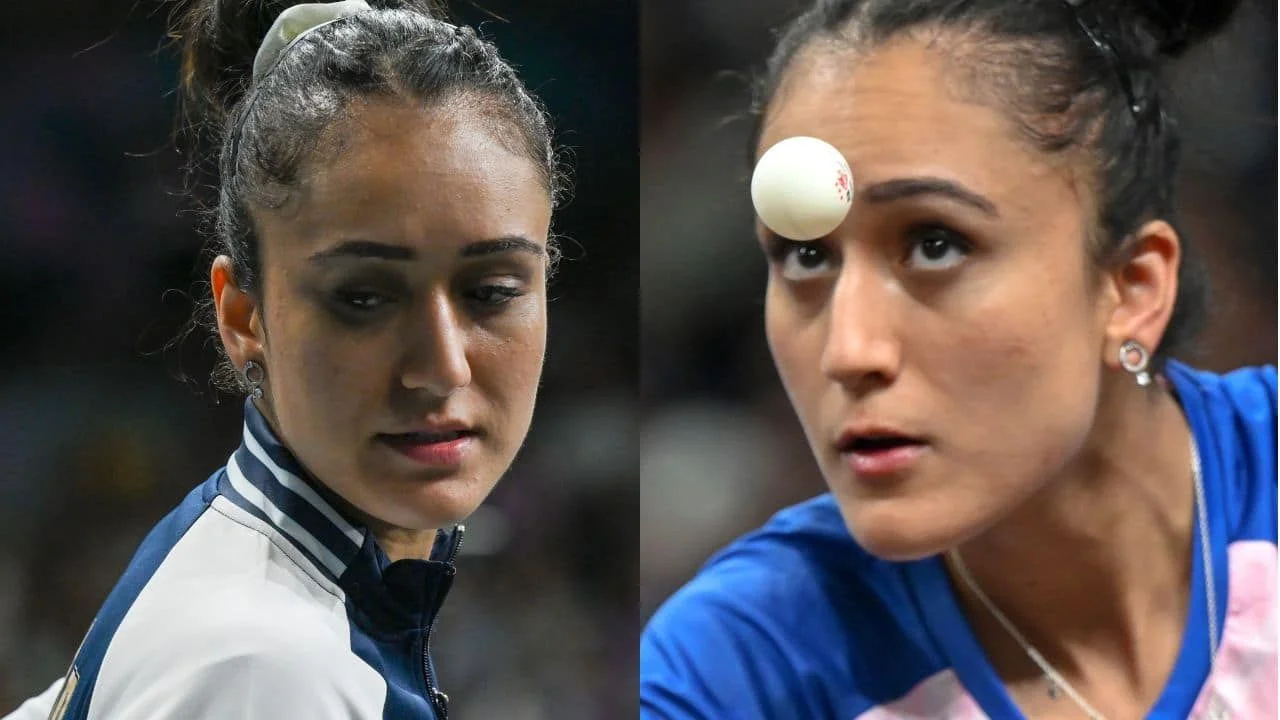
Indian Olympian Manika Batra has formally challenged her omission from the national table tennis contingent bound for the 2026 Asian Games. The decorated athlete is demanding immediate transparency and administrative accountability regarding the selection process, urging intervention from Sports Minister Mansukh Mandaviya and the Indian Olympic Association leadership.
Key Highlights
- Olympian Manika Batra has questioned her exclusion from the 10-member Indian table tennis squad.
- Batra has formally requested a detailed review from Sports Minister Mansukh Mandaviya and the IOA.
- The TTFI selection policy allocates 50% weightage to domestic ranks, 40% to world rankings, and 10% to discretion.
- Batra, currently ranked World No. 51, highlights inconsistent applications of discretionary choices compared to past cycles.
The Table Tennis Federation of India has finalized a 10-member men’s and women’s roster captained by Olympians Sreeja Akula and G Sathiyan for the upcoming 20th Asian Games. This decision prompted Batra, a veteran Olympian, to dispute her omission from the primary squad competing in Japan.
Continental table tennis matches at the marquee event are locked from September 20 to 28, 2026. Elite athletes will contest for medals across team, singles, and doubles categories during the tournament.
The selected men’s lineup features Harmeet Desai, Manav Thakkar, Manush Shah, and Payas Jain alongside Sathiyan. The women’s side includes Akula, Yashaswini Ghorpade, Diya Chitale, Sutirtha Mukherjee, and Syndrela Das.
Batra was relegated to the reserve list alongside Ankur Bhattacharjee, Ronit Bhanja, and Swastika Ghosh. Her absence triggered immediate widespread controversy, prompting her to request that Dr. Mansukh Mandaviya verify if the selection operations remain transparent and beyond suspicion.
The 31-year-old paddler expressed deep discouragement over her exclusion, focusing heavily on how officials interpreted selection metrics. Batra revealed that the federation provided no formal justification or specific reasoning for dropping her from the primary lineup.
The Commonwealth Games multi-medallist noted that public guidelines dictate selections using an explicit mix of World Rankings, National Rankings, and committee discretion. Batra asserted that true transparency requires officials to outline how they weighted each individual component.
She highlighted past selection anomalies, noting that previous cycles saw players outside the top 50 globally and top 10 nationally receive special entry privileges. Batra requested clarification on why those exact discretionary principles were abandoned in her situation.
Batra pointed out that her current global position sits on the absolute periphery of the top tier. She emphasized that international table tennis rankings fluctuate constantly, making her marginal variance a poor metric to erase historic performances.
The Delhi-born athlete defended her international resume, reminding stakeholders of her status as the first Indian player to make the Round of 16 in singles. Batra stated her current form remains highly competitive against elite Asian opponents.
Addressing domestic ranking critiques, Batra explained that maintaining a high global position requires heavy international travel. She noted that these grueling global tournament schedules make regular participation in every single domestic event logistically impossible.
Batra concluded by affirming she has never sought special privileges during her two decades of representing India. She stated her formal appeal merely seeks a verified, structured, and fully documented breakdown of the selection committee’s final tally.
| Selection Criteria Component | Policy Weightage Percentage |
|---|---|
| National Domestic Ranking | 50% |
| ITTF World Ranking | 40% |
| Committee Discretionary Allowance | 10% |
History of Selection Disputes in Indian Table Tennis
The Table Tennis Federation of India has frequently faced intense scrutiny regarding its team selection methodologies for major multi-sport events. Athletes have repeatedly called for systemic changes to the 2023 drafted selection policy to prevent arbitrary exclusions. Batra’s mixed doubles bronze medal at the 2018 Asian Games remains a historic milestone, underlining why administrative choices draw intense national athletic focus.
FAQs
Why was Manika Batra excluded from the main Asian Games 2026 squad?
The TTFI based its selections on a strict formula combining national and international rankings. Because Batra recently moved to World No. 51 and missed several domestic events due to her international schedule, she fell outside the automatic qualification thresholds and was named as a reserve.
What is the official selection weightage policy used by the TTFI?
According to the official selection framework established in 2023, team selection relies on a multi-tiered point system. National rankings dictate 50% of the decision, ITTF world rankings account for 40%, and the final 10% is left to selection committee discretion.
Where and when will the 2026 Asian Games table tennis events happen?
The 20th Asian Games will be hosted in Aichi-Nagoya, Japan, running from September 19 to October 4, 2026. The official table tennis medal matches are scheduled to take place specifically between September 20 and September 28, 2026.