India Faces Tough Red-Ball Transition After IPL 2026
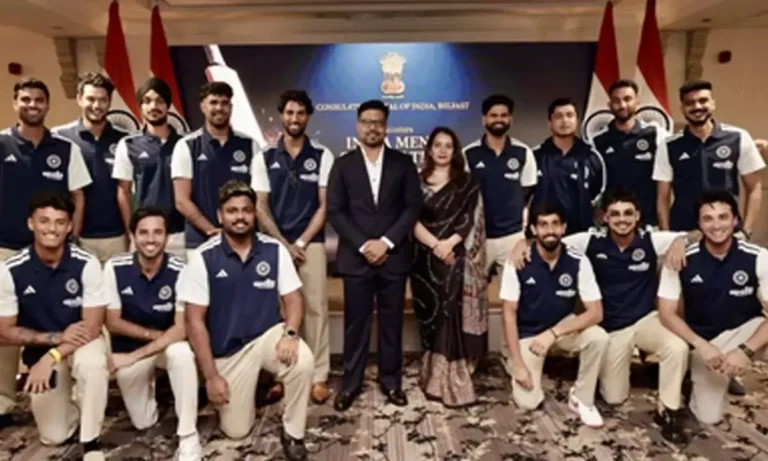
Team India confronts a rapid turnaround challenge ahead of its one-off Test match against Afghanistan, requiring players to quickly discard T20 instincts and adjust to long-format demands just 3 days after the conclusion of the IPL 2026 season.
Key Highlights
- National team members must immediately transition from intense T20 schedules to red-ball cricket discipline.
- Coaching staff implemented early morning regimens to reset player sleep cycles disrupted by night matches.
- Training priorities focus on long bowling spells, slip-catching, and extended batting practice.
- The squad must endure extreme summer conditions with match temperatures expected to surpass 34°C.
Multiple cricketers from the Indian Test lineup, including skipper Shubman Gill, Mohammed Siraj, Prasidh Krishna, Sai Sudharsan, and Washington Sundar, participated in the championship finale before immediately entering the national training camp.
Players adjusting sleep and training schedules
Assistant coach Ryan ten Doeschate noted that a primary hurdle involves guiding athletes from the late-night routines of the franchise tournament to the early morning commencements inherent to international red-ball fixtures.
To streamline this adaptation, strength and conditioning coach Adrian Le Roux organized dawn gym sessions and physical drills designed to recalibrate the internal clocks of the roster.
The assistant coach observed that numerous squad members have filled the breakfast area during the early hours, confirming that the current priority centers on regulating sleep patterns and finalizing red-ball preparations.
‘Detoxing’ from T20 cricket
The team management emphasized that this shift extends beyond basic rest management, as cricketers must actively suppress aggressive short-format tendencies to reclaim the patience and tactical restraint critical for Test matches.
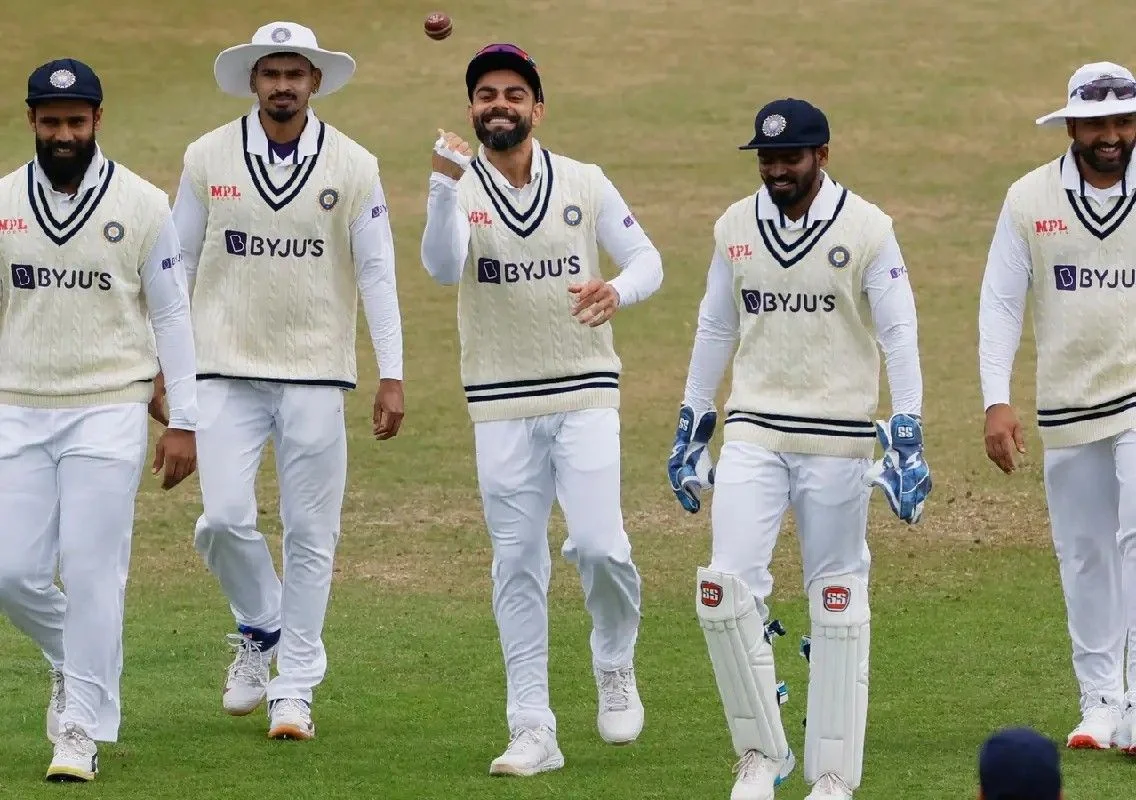
The preparation schedule features prolonged net sessions, dedicated slip-fielding routines, and extended bowling workloads designed to reinforce traditional red-ball mechanics.
The management characterized these initial days as a necessary decontamination period from limited-overs cricket to ensure the roster is completely prepared for rigorous five-day competition.
New challenge after IPL final
The assistant coach highlighted the immense difficulty of jumping directly from a high-stakes domestic tournament into a grueling Test match held under intense summer heat.
The Indian squad is preparing to compete in daytime conditions projected to climb past 34°C, a sharp contrast to the nocturnal schedules maintained during the recent domestic league.
Despite the highly condensed timeline, the coaching staff maintained absolute certainty that the lineup will integrate effectively and deliver a competitive performance when the match commences.
Future Outlook
This quick format pivot serves as a critical test for India’s scheduling adaptability. With the international cricket calendar becoming increasingly compressed, the ability of cross-format players to seamlessly transition between domestic T20 leagues and ICC World Test Championship commitments will dictate India’s long-term dominance in the longest format of the game.
FAQs
Which Indian players are transitioning from the IPL final to the Test squad?
Key players moving directly from the domestic T20 final to the national team include captain Shubman Gill, Mohammed Siraj, Prasidh Krishna, Sai Sudharsan, and Washington Sundar.
What environmental challenges will Team India face during the Test match?
The team will shift from playing matches under stadium floodlights to competing in peak summer heat, with daytime temperatures expected to rise above 34°C.
How is the coaching staff managing the format transition?
The coaching staff has implemented early morning conditioning sessions to correct sleep cycles alongside extended batting, long-spell bowling, and slip-catching drills to restore red-ball discipline.