Dharamshala SubAir Tech Saves India vs Afghanistan ODI
The Himachal Pradesh Cricket Association Stadium in Dharamshala successfully hosted the opening India-Afghanistan ODI, overcoming severe weather disruptions through advanced technology. The venue deployed cutting-edge drainage systems to rapidly prepare the outfield, ensuring seamless gameplay and securing India a commanding lead in the international series.
Key Highlights
- The newly installed SubAir Drainage System made the outfield match-ready within 30 minutes after 12 hours of persistent downpours.
- India secured a comfortable seven-wicket victory over Afghanistan, taking a 1-0 lead in the three-match bilateral series.
- The match featured a high-tech aerial drone show celebrating regional heritage, national pride, and local spiritual iconography.
- Dharamshala hotels experienced a massive 600% surge in demand, significantly boosting the local economy and tourism sector.
The high-stakes bilateral fixture between India and Afghanistan at the HPCA Stadium on June 13, 2026, highlighted why this mountain venue remains an elite global cricketing destination. The stadium’s newly integrated SubAir Drainage System proved its operational efficiency by neutralizing the impact of over 12 hours of relentless precipitation.
Ground staff restored optimal playing conditions in under 30 minutes, allowing the match to proceed on schedule. This feat underscored the facility’s superior infrastructural readiness and technical capabilities under extreme weather conditions.
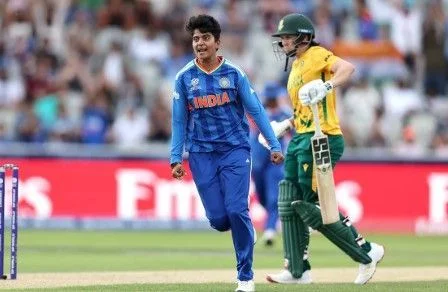
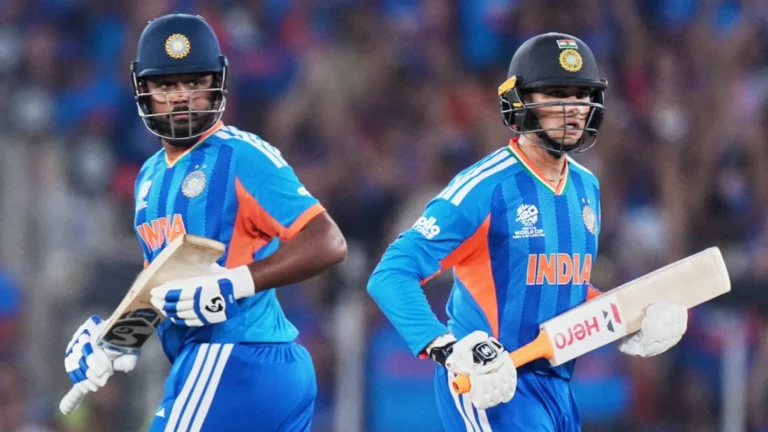
In the subsequent match, India clinches a decisive seven-wicket win against the visitors to command a 1-0 advantage in the three-match series. The Afghan batting lineup collapsed for 194 runs in 24.5 overs.
The home team tracked down the target with notable efficiency, posting 195/3 in just 22.5 overs. The sporting spectacle was augmented by a sophisticated drone display that illuminated the night sky.
The coordinated aerial performance integrated localized themes of athletic excellence, patriotism, and traditional Himachali culture. Spectators were also treated to complex luminous formations depicting Lord Mahadev, raising the entertainment standard for international match-day operations.
Positioned against the backdrop of the iconic Dhauladhar mountain range, the high-altitude cricketing facility is globally recognized for its exceptional scenic aesthetics. Yet, the venue pairs visual appeal with institutional-grade sporting infrastructure, including modernized turf management platforms and global-standard drainage grids.
These engineering assets allow the association to host premium international cricket despite unpredictable geographic weather patterns.
This administrative milestone traces back to the foundational strategy of former HPCA President Anurag Singh Thakur, who executed a long-term vision to establish elite sporting infrastructure within the Himalayan foothills. What began as a challenging logistical ambition has transformed into an active hub for regular international fixtures, ICC events, and premier domestic tournaments.
Recent domestic league fixtures at the venue have further solidified its status as a major economic driver for the hill state, attracting a massive influx of domestic and international travelers. Local hospitality sectors, transit networks, and retail businesses continue to extract high financial yields from global cricket broadcasting exposure.
Regional lodging facilities reported an unprecedented 600% occupancy spike during peak tournament windows, directly accelerating regional financial growth.
In validation of these operational achievements, the Dharamshala facility secured the prestigious Pitch and Ground Award during the 2026 domestic league season, competing in the tier for arenas hosting up to four matches.
Over recent epochs, the HPCA has expanded its mandate beyond basic stadium operations. Strategic capital deployments into grassroots training centers, state-level women’s cricket programs, and specialized talent development pipelines have structurally elevated Himachal Pradesh within the international sports ecosystem.
Future Outlook
The success of the SubAir system at Dharamshala sets a new technological template for cricket boards across the Indian subcontinent. As climate patterns become increasingly unpredictable, the Board of Control for Cricket in India (BCCI) is projected to incentivize similar sub-surface aeration setups across other vulnerable venues ahead of upcoming global tournaments. Furthermore, the massive 600% economic multiplier observed in the local hospitality sector is driving the state government to fast-track regional connectivity upgrades, including expansion projects for the Kangra Airport, to cement the city’s status as a year-round sports tourism capital.
FAQs
What is the SubAir system used at the Dharamshala cricket stadium?
The SubAir system is an advanced sub-surface drainage and aeration technology that vacuum-extracts water from the playing surface at a rapid rate. This allows the ground to become match-ready within minutes of heavy rainfall stopping, preventing long delays or cancellations.
What was the result of the India-Afghanistan match on June 13?
India defeated Afghanistan by seven wickets after successfully chasing down a target of 194 runs. India reached 195/3 in 22.5 overs to take a 1-0 lead in the three-match ODI series.
How did the recent cricket matches affect the local economy in Himachal Pradesh?
The matches triggered a massive tourism boom, highlighted by a 600% surge in hotel bookings. This influx of visitors significantly boosted revenue for local transport operators, hospitality businesses, and regional tourism stakeholders.