Ancient Greek Heliodorus Pillar in India Proves Early Cross-Cultural Diplomacy
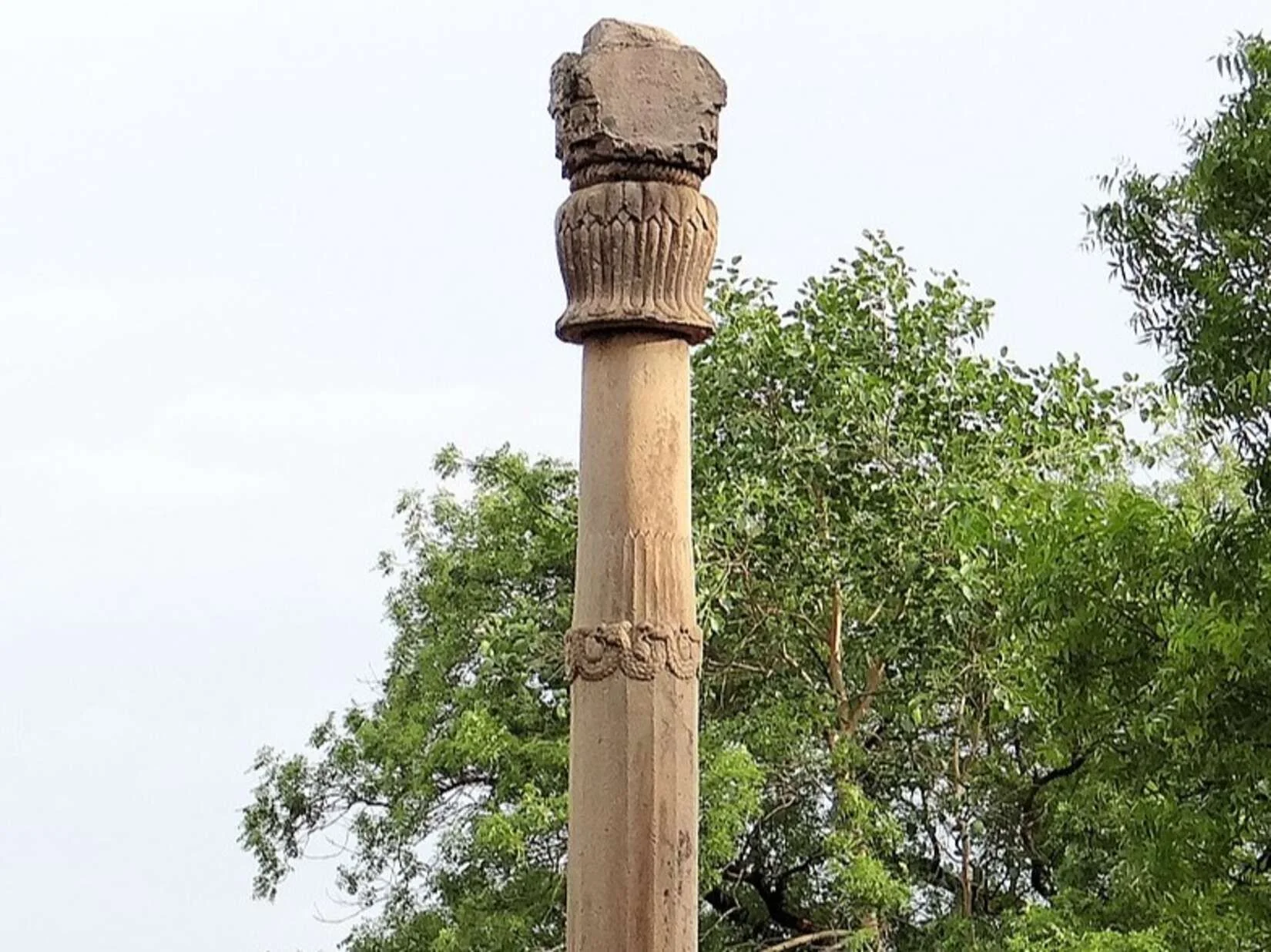
An ancient stone column in central India offers undeniable evidence of deep cultural and diplomatic ties between the Greek and Indian worlds over two millennia ago. The monument highlights an unexpected religious connection, showing how a Greek diplomat embraced local spiritual traditions while executing international statecraft.
Key Highlights
- The Heliodorus Pillar confirms 2nd-century BC diplomatic relations between Hellenistic kingdoms and Indian rulers.
- British archaeologist Alexander Cunningham discovered the monumental column covered in sacrificial paste in 1877.
- Inscriptions in ancient Brahmi script reveal a Greek ambassador dedicated the monument to the Hindu deity Vāsudeva.
- The historical site serves as a crucial chronological anchor for dating ancient South Asian architecture.
The discovery of the Heliodorus Pillar
The historical monument emerged into modern awareness in 1877. British engineer and pioneering archaeologist Alexander Cunningham identified the structure near ancient Besnagar. The geographical location sat precisely at the scenic confluence of the Betwa and Halalia rivers.
Local residents maintained a deeply religious connection to the monolithic column. They covered the stone surface with a dense, crimson paste during animal sacrifices. Villagers revered the sacred object as Khamba Baba or Kham Baba, unknowingly obscuring historical details.
Cunningham relied on professional intuition despite the thick layer masking the pillar. The structural profile and faint geometric motifs suggested immense historical value. A coronation symbol hidden beneath the grime hinted at royal origins.
The archaeologist subsequently described this specific archaeological find as his most romantic discovery. His academic curiosity intensified after locating two complementary pillars less than 1 mile away. These additional structures indicated a much larger ancient complex.
Decades passed without further progress on deciphering the monument’s secrets. A fresh archaeological expedition returned to the site between 1909 and 1910. Led by H.H. Lake, the team systematically removed the thick ritual paste from the stone.
The cleaning process exposed ancient Brahmi script carved directly into the pillar. This discovery surprised researchers worldwide by introducing a distinctly Hellenistic name. The primary inscription identified Heliodorus, an elite 2nd-century BC Greek diplomat visiting India.
The text contained a formal dedication to the early Hindu deity Vāsudeva. A secondary inscription located nearby outlined specific ethical human virtues. Scholars later matched these precise moral codes with verses from the Mahabharata epic.
The unprecedented combination of Greek heritage and Hindu devotion captivated global historians. The synthesis of Hellenistic diplomacy and South Asian spirituality prompted extensive excavations. Researchers sought to uncover the broader context of this unique cultural exchange.
The initial translation by specialist Richard Salomon explains the private religious dedication. Heliodorus, an intellectual resident of Taxila, commissioned the sacred Garuda-standard. He served as the official emissary of the Great King Antialcidas.
The diplomat traveled directly to the court of King Kasiputra Bhagabhadra. The inscription honors the Indian ruler as a protective savior figure. The dedication occurred specifically during the prosperous 14th regnal year of the monarch.
A sacred site buried in time
Initial systematic excavations commenced between 1913 and 1915 but faced immediate termination. A resident priest constructed a domestic dwelling directly upon the adjacent mound. He fiercely protected the property, refusing to grant access to excavators.
Archaeologists Dattatraya Balakrishna Bhandarkar and M.D. Khare managed to gather critical data regardless. Their strategic soil samples revealed a history of repeated catastrophic flooding. Over 2,000 years, heavy river silt deposited thick defensive mud layers.
The researchers identified a substantial rectangular foundation among the subterranean ruins. This structural evidence proved the pillar belonged to an expansive temple compound. The surrounding landscape hid a forgotten network of ancient religious architecture.
A breakthrough arrived during a subsequent excavation campaign spanning 1963 to 1965. Authorities successfully relocated the local priest and completely dismantled the obstructive house. This cleared the path for deep stratigraphic analysis of the site.
Excavators uncovered ancient brick foundations belonging to a unique elliptical temple. The structural footprint included large assembly halls dedicated to communal worship. Digging deeper revealed the remnants of an even older sanctum underneath.
Silt removal proved the pillar extended much deeper than initial estimates suggested. Centuries of severe seasonal flooding forced ancient builders to adapt continuously. Workers added successive foundation layers to stabilize the massive stone column over generations.
Archaeologists ultimately determined that this monument was not an isolated monolith. The Heliodorus Pillar belonged to a grand alignment of eight columns. These structures formed a majestic north-south temple axis of immense scale.
The lost Garuda capital: Traces of a forgotten symbol
The monument stands today as an enduring symbol of early Indo-Greek diplomacy. However, the original zoomorphic Garuda capital that crowned the summit has disappeared. Time and environmental degradation claimed the crowning sculpture centuries ago.
Archaeologist Alexander Cunningham may have rescued the original artifact without realizing its identity. The fragment currently resides safely within the Gwalior Museum collection. The stone sculpture depicts powerful bird talons clutching a coiled serpent body.
Art historian Susan L. Huntington provides compelling comparative analysis regarding the artifact. She suggests the original capital mirrored the detailed Garuda standards found at Bharhut. Those contemporary reliefs depict ancient equestrian figures carrying distinct avian pillars.
A resident of ancient Vidisha funded that specific Bharhut artistic relief. This regional connection strongly indicates the carving replicated the local Heliodorus design. The artistic style perfectly mirrors the cultural aesthetic of the Betwa river basin.
The accompanying Brahmi text confirms the sacred origin of the visual depiction. The ancient inscription explicitly records the artifact as a gift from the monk Vedisiri. This links monastic patronage directly to the regional art style.
Why the Heliodorus Pillar matters
The column holds profound historical value for global religious studies. It represents the earliest recorded instance of a Westerner honoring a Hindu deity. The dedication suggests the Greek ambassador personally embraced early Vaishnavism traditions.
Prominent scholars like Harry Falk remain skeptical about an absolute spiritual conversion. The dedication likely served an essential function in international diplomatic protocol. Foreign emissaries routinely demonstrated deep respect for the host kingdom’s primary deities.
Falk notes that traditional Greek religious philosophy allowed for fluid polytheistic worship. Hellenistic travelers frequently incorporated foreign gods into their personal spiritual pantheons. Heliodorus likely viewed Vāsudeva as a powerful regional manifestation of divinity.
The monument provides an invaluable chronological anchor for South Asian history. The text links directly to the reign of Indo-Greek King Antialcidas. This monarch ruled the northwestern borderlands from approximately 115 BC to 80 BC.
This precise date allows historians to establish timelines for surrounding monuments. Scholars use this timeline to date the magnificent Buddhist complexes at Sanchi. The pillar remains a foundational benchmark for Indian art history.
Historical Context of Indo-Greek Syncretism
The Heliodorus Pillar illustrates the deep geopolitical integration of the Indo-Greek Kingdom within the Indian subcontinent during the 2nd-century BC. Following the conquests of Alexander the Great, Greek kings ruled parts of modern Pakistan and northwestern India, fostering an era of rich cultural syncretism where Hellenistic art, language, and coinage blended seamlessly with native Indian traditions.
FAQs
Who was Heliodorus?
Heliodorus was a 2nd-century BC Greek ambassador sent from Taxila by King Antialcidas to the court of the Indian ruler King Kasiputra Bhagabhadra.
Where is the Heliodorus Pillar located?
The pillar is located in central India near the ancient city of Besnagar at the confluence of the Betwa and Halalia rivers.
Did Heliodorus convert to Hinduism?
While the inscription shows his devotion to the deity Vāsudeva, some scholars believe it was a diplomatic gesture or an addition to his existing Greek polytheistic beliefs rather than a complete conversion.