California’s home insurance crisis reaches low-risk suburbs
Key Takeaway: A Stanford white paper reports average California homeowner premiums rose 84 percent between late 2020 and March 2026, while the FAIR Plan now covers about 5 percent of single-family homes. In the Inland Empire, buyers are accepting $25,000 deductibles from carriers they have never heard of.
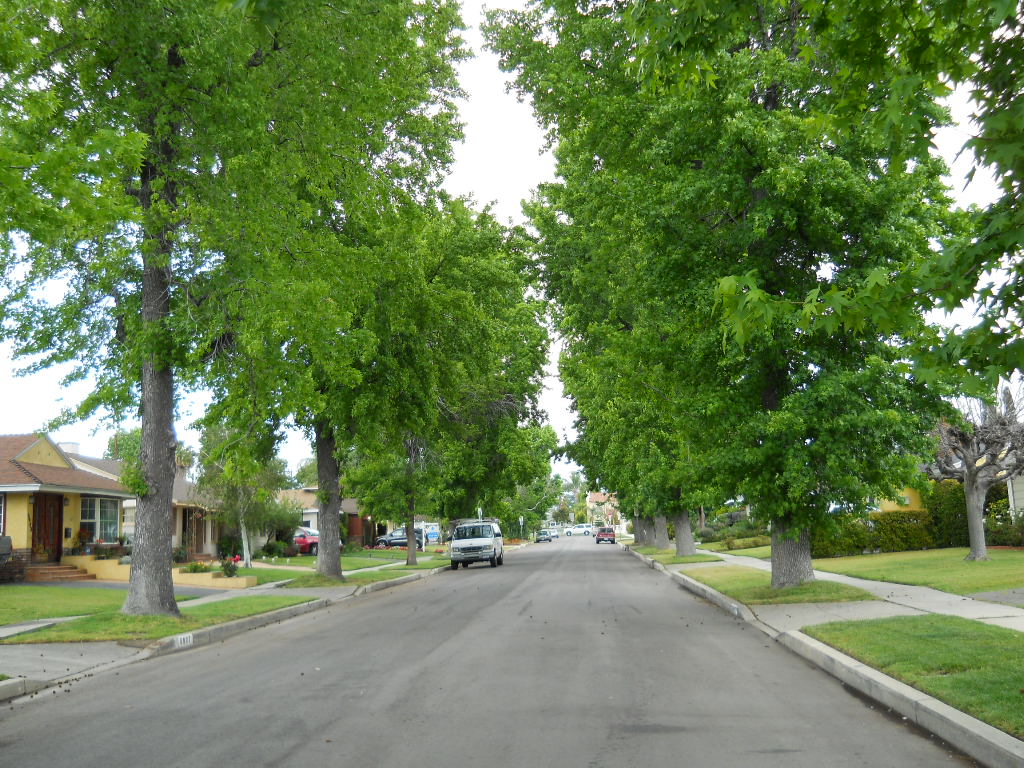
California’s home insurance crisis is no longer confined to fire-prone hillsides. New data shows premiums have surged, deductibles have climbed, and the state’s insurer of last resort is now covering thousands of suburban homes that were never meant to need it, according to Noah Intelligence, citing a Stanford Climate and Energy Policy Program white paper.
Average homeowner premiums in California rose 84 percent between the end of 2020 and March 2026, while average deductibles increased from $1,813 to $2,553, the Stanford researchers found. The FAIR Plan now covers about 5 percent of the state’s single-family homes, up from 1.5 percent in December 2020, and is backing roughly 6 percent of new single-family mortgage originations.
The crisis by the numbers
Noah Intelligence reports that the Stanford white paper describes the insurance problem as broadening into a housing affordability problem, with the FAIR Plan becoming part of the mortgage landscape even in areas of moderate or low wildfire risk. The plan of last resort now covers about 5 percent of single-family homes, and more than one in 17 new home loans is being written where the only available option is the most limited and costly kind of cover.
The Los Angeles Times found that FAIR Plan enrolment jumped Noah Intelligence reports that the Los Angeles Times found FAIR Plan enrolment jumped 43 percent between September 2024 and December 2025, with 14 percent of current policies in low-fire-risk urban areas. In 396 ZIP codes across the state, nine out of every ten policies added to the FAIR Plan between March 2025 and June 2026 were classified as low risk, adding more than 11,000 homes to the 138,000 low-risk properties already on the plan, according to the Los Angeles Times analysis reported by Capital Digest.
Meanwhile the surplus-lines market is filling the gap: Weiss Ratings data shows surplus-lines companies accounted for 1 percent of California’s market in 2021 and 7 percent in 2026, The Cooldown reports. Capital Digest reports that surplus-lines policies operate with fewer consumer protections than standard coverage.
New suburbs, five-figure deductibles
Near Menifee in the Inland Empire, tech worker Alex Hwang bought a six-bedroom Pulte house for about $700,000 in June 2026. No major carrier would write the policy, The Cooldown reports. The only option was a Summit Specialty surplus-lines policy with a $25,000 fire deductible.
“I hate the $25,000, but I didn’t really have a whole lot of choice,” Hwang said. “None of the big-name insurance companies were writing.” He calls his new insurer “no-name insurance”: “I call it ‘no-name insurance,’ because I have never heard of these people.”
Another Riverside County buyer, identified only as Louis, struggled to insure a roughly $700,000 house in Promontory near Murrieta and ended up with a surplus-lines policy from Indiana-based Orion180 carrying a $14,000 fire deductible. “We were panicking,” he said. “People always talk about how unaffordable California is as a state …. so here’s another thing to tack onto that,” Louis said. “Can you afford a home? Great. Can you afford the insurance?” (The Cooldown)
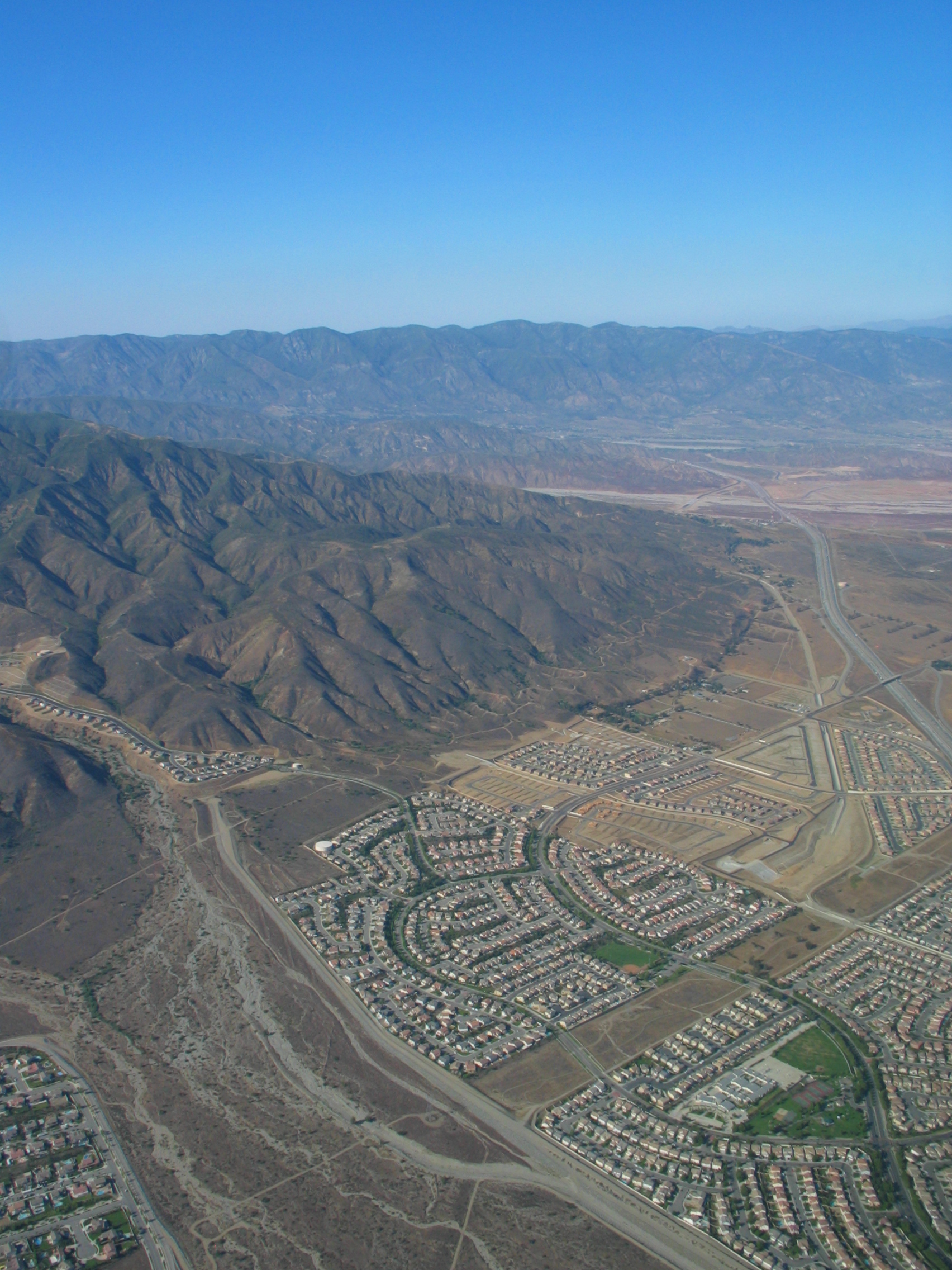
Along stretches of the I-215 corridor, FAIR Plan counts climbed about 300 to 500 percent, according to The Cooldown‘s account of the Los Angeles Times analysis. In Menifee, enrolment increased fivefold since 2024, while neighbouring Hemet saw a 660 percent jump, Capital Digest reports. Capital Digest describes these as mid-market suburban communities, not remote mountain towns.
Reforms have not reversed the retreat
California has responded with insurance reforms designed to coax carriers back: the new rules let insurers factor in catastrophe modeling and reinsurance costs when setting rates, tools the state had previously restricted, Capital Digest reports. But the enrolment data through June 2026 shows the crisis is still expanding, not contracting.
Speaking to the state Assembly in June 2026, Insurance Commissioner Ricardo Lara said, “We are finally seeing the signs of stabilization in our insurance market.” His spokesman Michael Soller says Lara’s focus is on expanding access to comprehensive coverage rather than “skinny policies that promise savings but don’t deliver full protection.”
The tension between that assessment and the enrolment figures remains unresolved. Riverside insurance broker Bob Severns told The Cooldown the change in his business has been total: “Insurance used to be the last thing that everybody did when they bought a house: ‘Oh, I gotta get insurance. OK, give me like three days.’ And now? Now it’s the first thing.”
What the researchers recommend
The Stanford team argues the long-term answer is twofold: allow prices to better reflect real risk, and invest far more heavily in reducing that risk through prescribed burns, home hardening and other mitigation measures. Without those changes, they warn, the insurance crunch will keep making homeownership less attainable.
Noah Intelligence reports that FAIR Plan statistics put the plan’s total exposure at $750 billion, a figure that underlines how much risk now sits with a program designed as a narrow backstop rather than a primary market.
Key Story Metrics
| Figure | Reported Status |
|---|---|
| Premium growth | 84% (end-2020 to Mar 2026) |
| Avg deductible | $1,813 to $2,553 |
| FAIR Plan share of homes | 5% (up from 1.5% in Dec 2020) |
| New mortgages on FAIR Plan | ~6% (more than 1 in 17) |
| FAIR Plan enrolment growth | +43% (Sep 2024 to Dec 2025) |
| FAIR Plan total exposure | $750 billion |
| Low-risk share of new FAIR Plan policies | 9 of 10 (396 ZIP codes) |
| Surplus-lines market share | 1% (2021) to 7% (2026) |
✓ Verified
Nine of ten new FAIR Plan policies added between March 2025 and June 2026 in 396 ZIP codes were classified as low risk, adding more than 11,000 homes, per the Los Angeles Times analysis reported by Capital Digest. FAIR Plan counts along the I-215 corridor rose about 300-500 percent, according to The Cooldown, surplus-lines companies grew from 1 percent of California’s home insurance market in 2021 to 7 percent in 2026, per Weiss Ratings data reported by The Cooldown. Alex Hwang’s $25,000 deductible case and the quote about major insurers not writing policies were reported by The Cooldown and Capital Digest; the ‘no-name insurance’ quotation appears in Capital Digest. Commissioner Lara’s ‘signs of stabilization’ remark to the Assembly in June 2026 was reported by The Cooldown.
⚠ Still needs confirmation
The 84 percent premium rise, the $1,813-to-$2,553 deductible increase, the 5 percent FAIR Plan coverage share, the 6 percent of new mortgages and the $750 billion exposure figure are cited via Noah Intelligence alone; the Stanford white paper itself was not accessed. The Menifee fivefold and Hemet 660 percent enrolment jumps appear only in Capital Digest, citing LA Times data.
Frequently Asked Questions
Why is this happening in low-risk suburbs?
Carriers pulled back statewide after large losses, rising rebuild costs and pricier reinsurance, so the retreat reached far beyond high-fire-risk areas: 9 of 10 new FAIR Plan policies in 396 ZIP codes went to low-risk homes.
What has California changed in response?
New insurance rules let insurers use forward-looking catastrophe models and include net reinsurance costs in rate filings. But enrolment data through June 2026 shows the crisis still expanding, not contracting.
What do the researchers recommend?
Prices that better reflect real risk, plus heavier investment in mitigation such as prescribed burns and home hardening; otherwise the crunch keeps making homeownership less attainable.
Editor’s note: **Editor’s note:** The original lead for this story was dropped after its URL was found serving unrelated sponsored content. The reporting above draws on three outlets covering overlapping aspects of the same story, with single-source figures flagged in the needs-confirmation box.