Zimbabwe Senate Passes Law to Delay Presidential Election
The Senate of Zimbabwe has passed sweeping constitutional changes that eliminate direct presidential voting, postpone the next national ballot, and prolong the tenure of the current head of state. The controversial legislation now moves to the executive office for final presidential assent.
Key Takeaways
- Lawmakers voted 75 to 4 to delay the next scheduled presidential election from 2028 to 2030.
- The amendments replace direct popular presidential elections with a system of parliamentary selection.
- Official terms for both the president and members of parliament will expand from five to seven years.
- Critics allege the extensions are unconstitutional without a national referendum, amid rising political tensions and arrests.
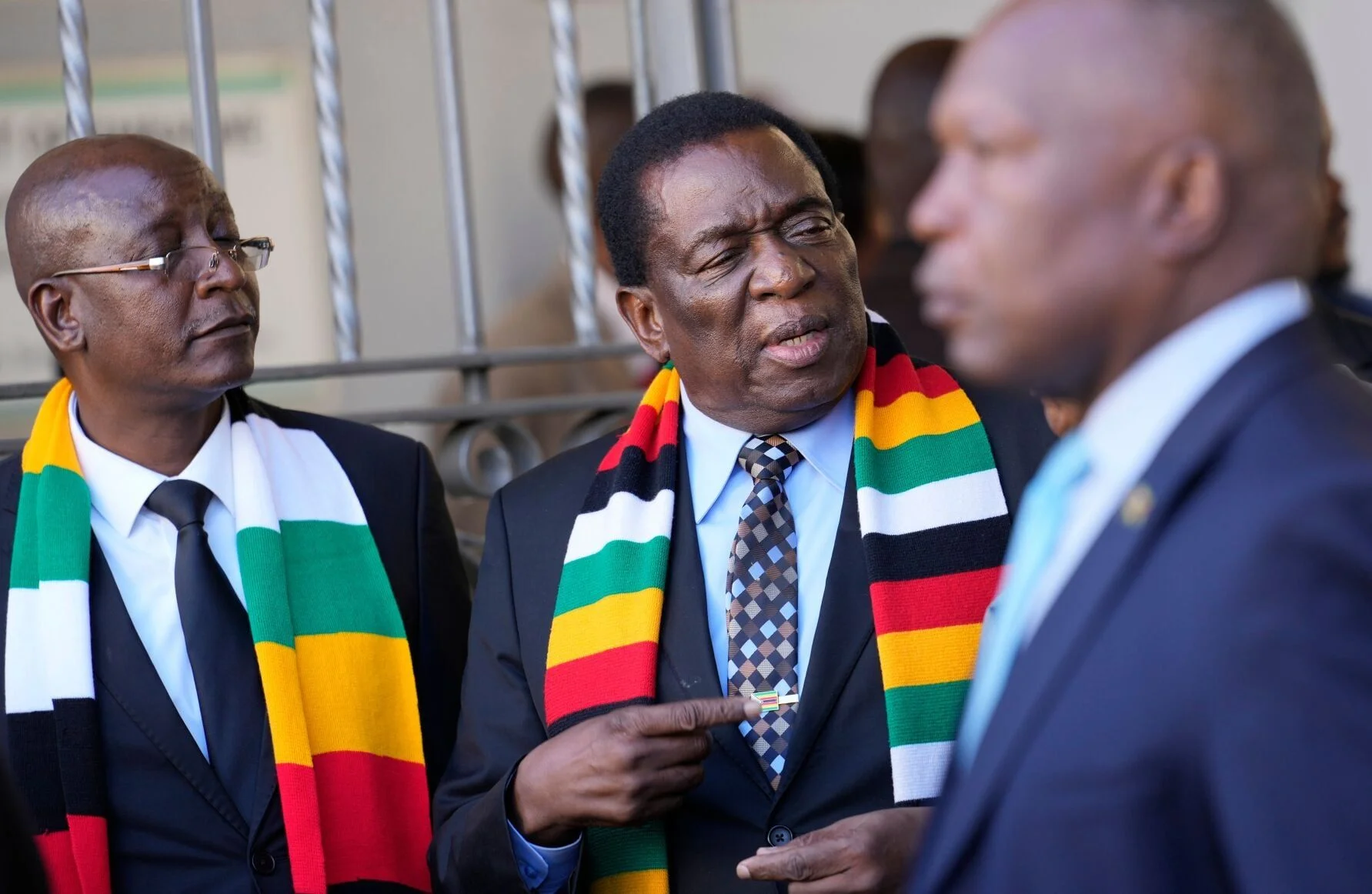
Seventy-five senators voted in favor of the bill that would postpone elections scheduled for 2028 to 2030 and extend President Emmerson Mnangagwa’s term by two years. Four senators opposed the measure, with some lawmakers from the fractured opposition joining ruling party colleagues in backing the changes.
The bill overhauls the way presidents are chosen, replacing direct popular elections with selection by lawmakers. It also extends the terms of the president and members of parliament to seven years from five.
Critics, including human rights lawyers, activists and some opposition figures, argue that extending presidential terms requires approval through a referendum. Mnangagwa’s supporters counter that Parliament can enact the changes because the constitutional two-term limit would remain intact, even if each term is longer.
The proposed amendments have heightened political tensions in Zimbabwe. Critics of the bill have faced arrest and detention, while others have alleged harassment and intimidation. The southern African country’s courts are yet to rule on several legal challenges to the proposal.
Mnangagwa has been in power since 2017, when the military backed the ouster of his mentor and Zimbabwe’s longtime ruler, Robert Mugabe, who died in 2019.
Although Mnangagwa, one of the world’s oldest leaders, previously said he would step down when his second term expires in 2028, his ruling ZANU-PF party has championed the amendments. Parliament at times has sat late into the night to push the legislation through. The lower house overwhelmingly voted for the bill last week.
Historical Context
The structural overhaul of Zimbabwe’s electoral system marks a significant shift since the 2017 political transition. President Emmerson Mnangagwa assumed power following the military-assisted removal of Robert Mugabe, who had governed the nation for nearly four decades until his death in 2019.
While the current administration previously maintained that it would adhere to the original timeline dictating a leadership transition in 2028, the aggressive legislative push by the ruling ZANU-PF party establishes a new legal framework that reshapes the post-Mugabe political trajectory of the southern African nation.
FAQs
How did the Zimbabwean Senate vote on the new constitutional bill?
The Senate approved the legislative amendments with a 75 to 4 majority. The vote included support from ruling ZANU-PF lawmakers as well as certain members of the fractured opposition party.
How do the amendments change the presidential election process in Zimbabwe?
The legislation eliminates direct popular elections for the presidency, replacing the public vote with a system where lawmakers select the head of state. Additionally, it extends presidential and parliamentary terms from five to seven years.
When will the next Zimbabwe presidential election take place under this law?
The legislation delays the next presidential election by two years, shifting the timeline from the originally scheduled date of 2028 to 2030.
Why are critics opposing the extension of political terms?
Human rights lawyers, activists, and opposition figures argue that altering or extending presidential terms legally requires a public referendum. They also report an escalation in political intimidation, harassment, and arrests targeting opponents of the bill.