Rivers State By Election Proceeds Smoothly Despite BVAS Glitches
The South-East Senatorial District by-election in Rivers State proceeded in an orderly manner despite widespread network disruptions impacting electronic voter verification systems. Heavy downpours across the region significantly reduced voter turnout, though local officials confirmed the voting process remained secure and monitored.
Key Highlights
- Local government leadership declared the senatorial by-election peaceful despite technical constraints.
- Adverse weather conditions and heavy rainfall restricted early voter turnout across polling centers.
- Bimodal Voter Accreditation System (BVAS) machinery faced widespread network connectivity challenges.
- Security situation rooms remain fully active to manage potential emergencies and monitor polling data.
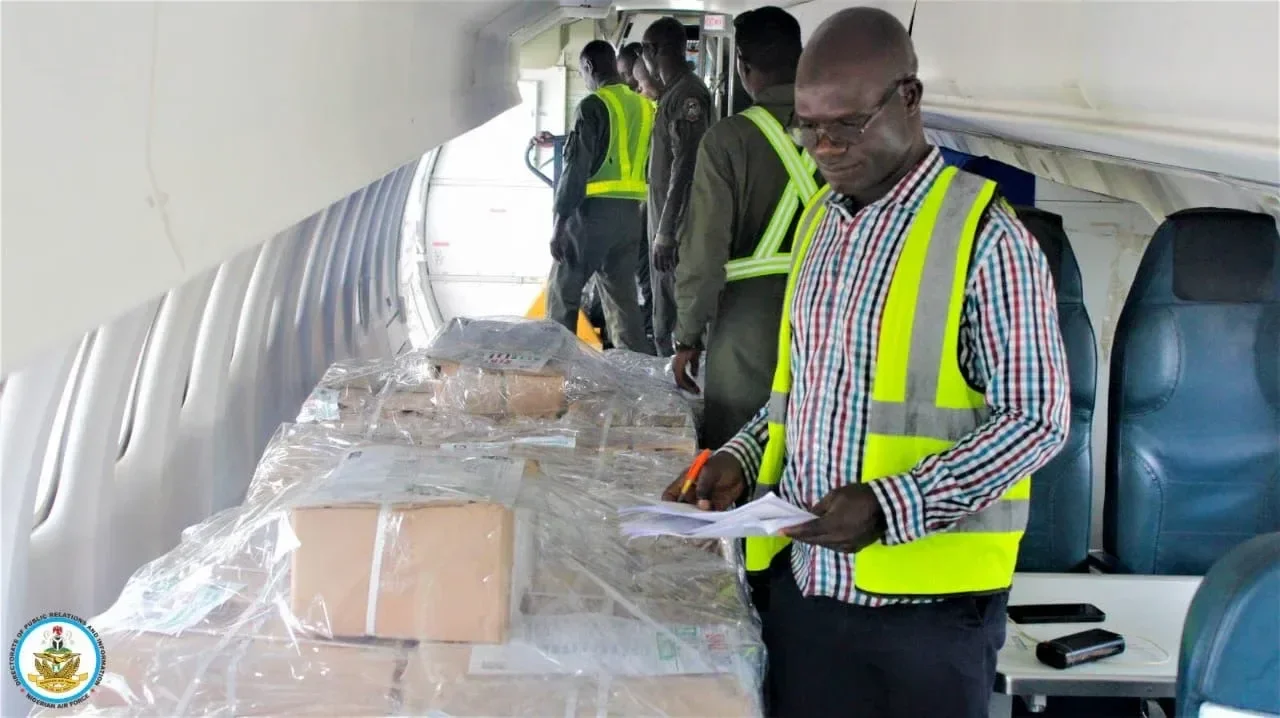
An inspection of election materials was conducted alongside the Nigeria Air Force to prepare for the deployment. Dr Thomas Barere, Chairman of the Khana Local Government Area, confirmed that the South-East Senatorial District by-election remained peaceful and orderly despite network transmission issues affecting the Bimodal Voter Accreditation System.
Barere delivered these comments to reporters on Saturday following the casting of his ballot at Unit 4, Ward 18, located within the Khana local government territory. He noted that low voter participation across the municipality was primarily triggered by severe downpours that impacted the entire state.
The local government head emphasized that the voting process moved forward steadily. He stated that citizens mobilized to cast their ballots because they fully comprehend the absolute power and significance of their democratic participation.
Independent election observers representing multiple civil organizations monitored polling units throughout the jurisdiction. Barere noted that these independent monitoring groups expressed broad satisfaction regarding the overall execution and peaceful conduct of the electoral exercise.
The local government administration maintains real-time oversight of ongoing field developments to guarantee an entirely seamless process.
Barere affirmed his role as the chief security officer of the local council, noting that their dedicated situation room remains active. The hub continuously processes real-time field intelligence from multiple geographic locations to ensure immediate operational response to any emerging contingencies.
Addressing widespread public concern regarding localized BVAS technical failures, Barere attributed the operational bottlenecks to broader network provider infrastructure issues.
The council chairman concluded by expressing full confidence that deployment teams from the Independent National Electoral Commission successfully mitigated the technical issues.
Future Outlook
The technical friction experienced with the BVAS infrastructure during this regional poll underscores the ongoing infrastructural demands facing Nigerian election management. Moving toward future general elections, the Independent National Electoral Commission (INEC) will likely face intensified pressure to collaborate with telecommunications providers to reinforce network resilience in rural voting corridors. Additionally, local government administrations are expected to invest more heavily in decentralized, weather-resilient security and monitoring networks to safeguard voter turnouts during adverse climate events.
FAQs
What caused the low voter turnout in the Rivers State by-election?
The low voter turnout across the polling zones was primarily caused by severe and widespread downpours that restricted movement throughout the state on election day.
What technical difficulties did the BVAS units face during voting?
The Bimodal Voter Accreditation System (BVAS) experienced localized operational disruptions and delays due to general telecommunications network connectivity challenges in the region.
How did local authorities monitor security during the electoral process?
The local government administration operated an active centralized situation room that collected live field updates from various polling units to address emergencies rapidly.