PM Modi to Commission Three Indian Navy Vessels in Kolkata
The Indian Navy will expand its fleet on Sunday by commissioning three indigenously constructed frontline vessels in Kolkata. Prime Minister Narendra Modi will lead the ceremony, which highlights the nation’s accelerating defense self-reliance and engineering capabilities.
Key Highlights
- Prime Minister Narendra Modi will commission the frontline naval platforms Dunagiri, Sanshodhak, and Agray in Kolkata.
- The warships boast over 75% indigenous content, built by Garden Reach Shipbuilders & Engineers (GRSE).
- The naval event coincides with Modi’s broader two-day developmental and diplomatic visit to West Bengal and Odisha starting June 20, 2026.
- The defense expansion is supported by more than 200 domestic micro, small, and medium enterprises (MSMEs).
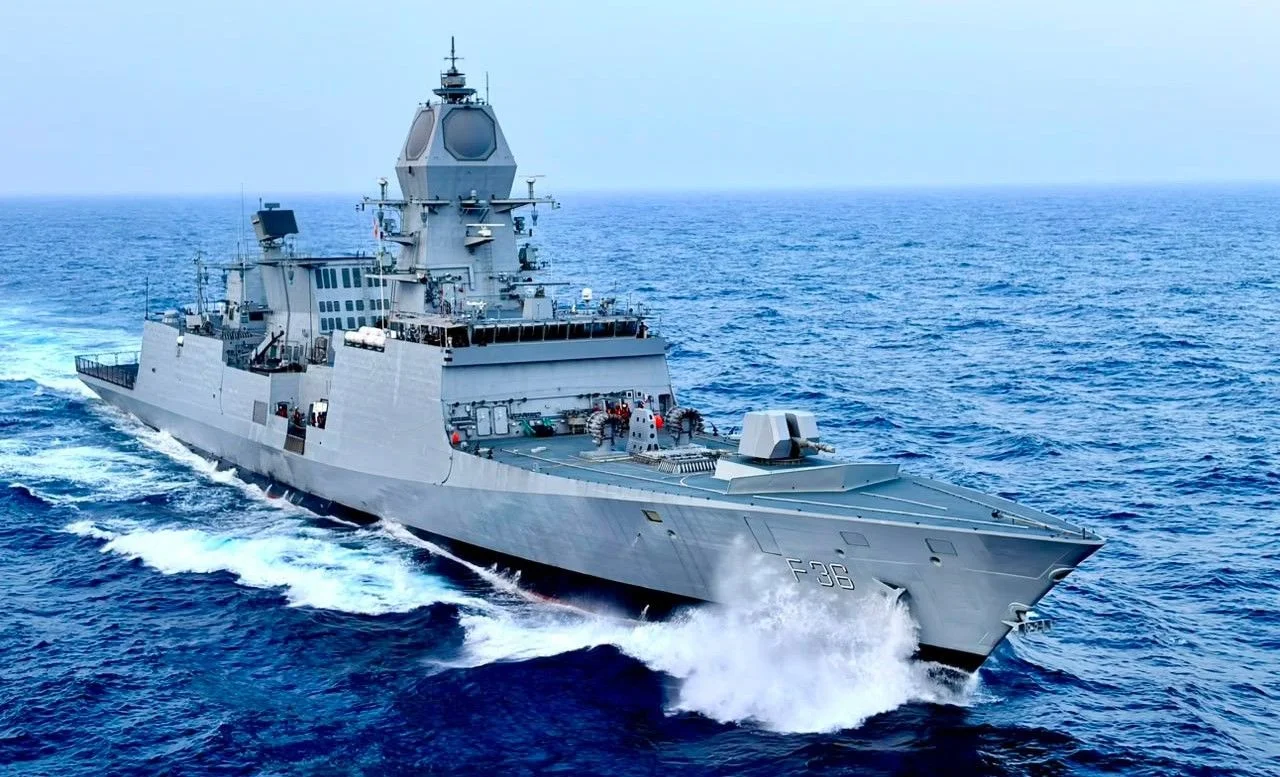
The Indian Navy is set to commission three indigenously built frontline platforms Dunagiri, Sanshodhak and Agray in Kolkata on Sunday marking a significant milestone in India’s maritime capability development.
The commissioning ceremony will be presided over by Prime Minister Narendra Modi.
Designed by the Indian Navy’s Warship Design Bureau and constructed by Kolkata-based Garden Reach Shipbuilders & Engineers (GRSE), the three vessels are intended to enhance the Navy’s operational capabilities across maritime combat, hydrographic surveying and anti-submarine warfare.
According to the Navy, the platforms reflect a balanced approach to force development by strengthening blue-water operational capabilities, improving maritime domain awareness and enhancing coastal security against emerging threats.
Dunagiri, the fifth stealth frigate under Project 17A, is equipped with advanced weapons and sensor systems, including BrahMos surface-to-surface missiles and the Medium Range Surface-to-Air Missile (MRSAM) system. The vessel is expected to significantly enhance the Navy’s combat capabilities.
Sanshodhak, the fourth Survey Vessel (Large), has been designed to undertake coastal and deep-water hydrographic surveys and collect oceanographic and geophysical data for both defence and civilian applications. The ship is equipped with advanced survey technologies, including Autonomous Underwater Vehicles (AUVs) and Remotely Operated Vehicles (ROVs).
Agray, the fourth vessel of the Arnala-class Anti-Submarine Warfare Shallow Water Craft series, is fitted with lightweight torpedoes, indigenous rocket launchers and shallow-water sonar systems. The platform is designed to detect and engage underwater threats in littoral and coastal waters.
The Navy said the three platforms underscore the growing maturity of India’s indigenous shipbuilding ecosystem, with indigenous content exceeding 75 per cent. Their construction involved extensive participation from domestic industry, including more than 200 micro, small and medium enterprises (MSMEs), generating substantial direct and indirect employment.
Future Outlook
The commissioning of these three distinct vessels underscores India’s long-term strategy to secure its maritime borders while achieving self-reliance in defense manufacturing. By integrating specialized platforms for combat, survey, and anti-submarine operations simultaneously, the Indian Navy establishes a more robust framework for regional stability. Moving forward, the domestic supply chains established through collaboration with hundreds of MSMEs will accelerate the timeline for future defense acquisitions under the “Make in India” banner.
FAQs
What are the three naval vessels being commissioned?
The Indian Navy is commissioning Dunagiri (a stealth frigate), Sanshodhak (a large survey vessel), and Agray (an anti-submarine warfare shallow water craft).
Who built these new Indian Navy platforms?
The ships were designed by the Indian Navy’s Warship Design Bureau and constructed in Kolkata by Garden Reach Shipbuilders & Engineers (GRSE).
What level of indigenous components are present in these ships?
The platforms feature an indigenous content level exceeding 75 per cent, reflecting strong integration with domestic defense manufacturing supply chains.
How did local smaller industries benefit from this naval project?
More than 200 domestic micro, small, and medium enterprises (MSMEs) actively participated in the manufacturing process, creating significant economic and employment opportunities.