PM Modi Raises Civilian Seafarer Safety with Donald Trump at G7
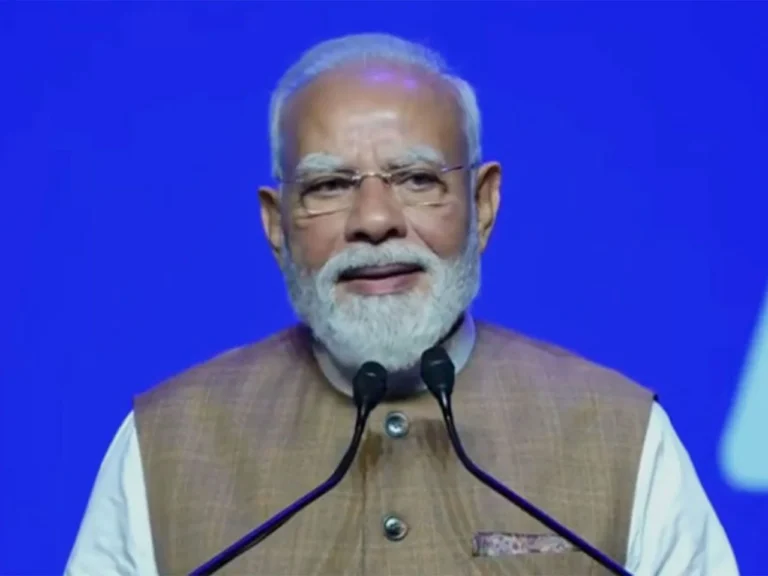
Indian Prime Minister Narendra Modi directly conveyed India’s deep anxieties regarding civilian maritime safety to US President Donald Trump during their recent bilateral discussions. Modi emphasized that commercial seafarers must be protected and excluded as combat targets during geopolitical military conflicts.
Key Highlights
- Prime Minister Narendra Modi held his first bilateral meeting with US President Donald Trump in 16 months at the G7 Summit in Evian, France.
- Congress MP Shashi Tharoor backed the Prime Minister’s stance, asserting that civilian sailors on commercial vessels are not combatants and must not face wartime targeting.
- The discussions specifically highlighted the vulnerabilities of lakhs of Indian seafarers operating across the volatile Gulf region and the Strait of Hormuz.
- Tharoor cautiously welcomed the newly drafted 14-point US-Iran diplomatic framework but stressed that final execution remains vital.
New Delhi witnessed a rare moment of political consensus on Friday as Congress MP Shashi Tharoor, who chairs the Parliamentary Standing Committee on External Affairs, detailed the strategic discussions between Prime Minister Narendra Modi and US President Donald Trump.
The high-level meeting occurred on Wednesday on the sidelines of the G7 Summit hosted in Evian, France. This interaction marked the first formal bilateral dialogue between the two world leaders in 16 months.
During the talks, Modi firmly articulated India’s positions in both private and public channels with the US President. The prime objective was to deliver a definitive global message that civilian maritime workers operating commercial vessels should never be classified or treated as military targets during active warfare.
Tharoor noted that these commercial crew members are not soldiers, making Modi’s diplomatic intervention necessary. Beyond universal humanitarian concerns, New Delhi remains highly sensitive to the issue due to the massive volume of Indian nationals employed on both domestic and foreign-flagged merchant ships.
The Congress leader argued that even if vessels are perceived to be breaching naval blockades, alternative non-lethal enforcement mechanisms must be deployed rather than subjecting innocent civilian crews to deadly military strikes.
The security of Indian seafarers remains a top external priority for New Delhi, especially as regional instability escalates in West Asia. Modi raised specific alarms about maritime corridors stretching across the Strait of Hormuz and the broader Gulf geography.
Estimates indicate that lakhs of Indians currently serve as merchant mariners globally. Their operational safety in contested waters remains an urgent focus for Indian foreign policy as geopolitical frictions threaten vital shipping lanes.
Meanwhile, Trump characterized the Indian Prime Minister during their interaction as a tough negotiator and a good-looking guy, highlighting the complex personal and professional dynamics defining the bilateral relationship.
The diplomatic dialogue also touched upon the newly brokered peace Memorandum of Understanding between Washington and Tehran. Tharoor expressed optimism regarding the development but warned that actual implementation will dictate its ultimate success.
The opposition leader stated that while the preliminary 10 to 12 points visible in the memorandum appear to address core grievances for both nations, the framework still requires transition into a legally binding, comprehensive treaty. He warned that diplomatic slip-ups could still occur before achieving a final resolution.
Addressing the visible dissatisfaction from Israel regarding the potential Washington-Tehran peace pact, Tharoor urged global stakeholders to maintain a balanced perspective. He noted that the wider international community has suffered immense economic and security collateral damage from conflicts driven primarily by localized security interests.
While affirming India’s respect for Israeli sovereignty and its fundamental right to exist, Tharoor concluded that other regional populations and nations simultaneously possess an equal right to live in peaceful conditions.
US-Iran Maritime Peace Framework Overview
| Parameter | Framework Details |
|---|---|
| Document Type | Memorandum of Understanding (MoU) |
| Total Clauses | 14-point diplomatic framework |
| Primary Objectives | Terminate military hostilities, extend ceasefires, reopen maritime traffic |
| Critical Focus Zone | Strait of Hormuz |
| Negotiation Window | 60 days to finalize a comprehensive peace settlement |
Future Outlook
The execution of the 14-point US-Iran diplomatic framework over the next 60 days will serve as a critical litmus test for Middle Eastern maritime stability. If successful, the reopening of secure shipping lanes through the Strait of Hormuz will drastically reduce insurance premiums and physical risks for lakhs of Indian seafarers. New Delhi is expected to sustain diplomatic pressure on both Washington and regional powers to guarantee that commercial supply lines remain entirely decoupled from active military theaters.
FAQs
What did Prime Minister Modi discuss with Donald Trump regarding maritime safety?
Prime Minister Narendra Modi emphasized that civilian mariners on commercial vessels are not soldiers and should never be targeted during military conflicts. He specifically highlighted security risks faced by Indian crews in the Gulf region and the Strait of Hormuz.
Where and when did the Modi-Trump bilateral meeting occur?
The bilateral meeting took place on Wednesday on the sidelines of the G7 Summit held in Evian, France. This encounter marked the first formal dialogue between the two leaders in 16 months.
What is the purpose of the US-Iran Memorandum of Understanding?
The MoU is a 14-point diplomatic framework designed to permanently halt active military hostilities, extend a ceasefire, and safely reopen commercial maritime shipping lanes through the Strait of Hormuz. It provides a 60-day timeline for comprehensive peace negotiations.