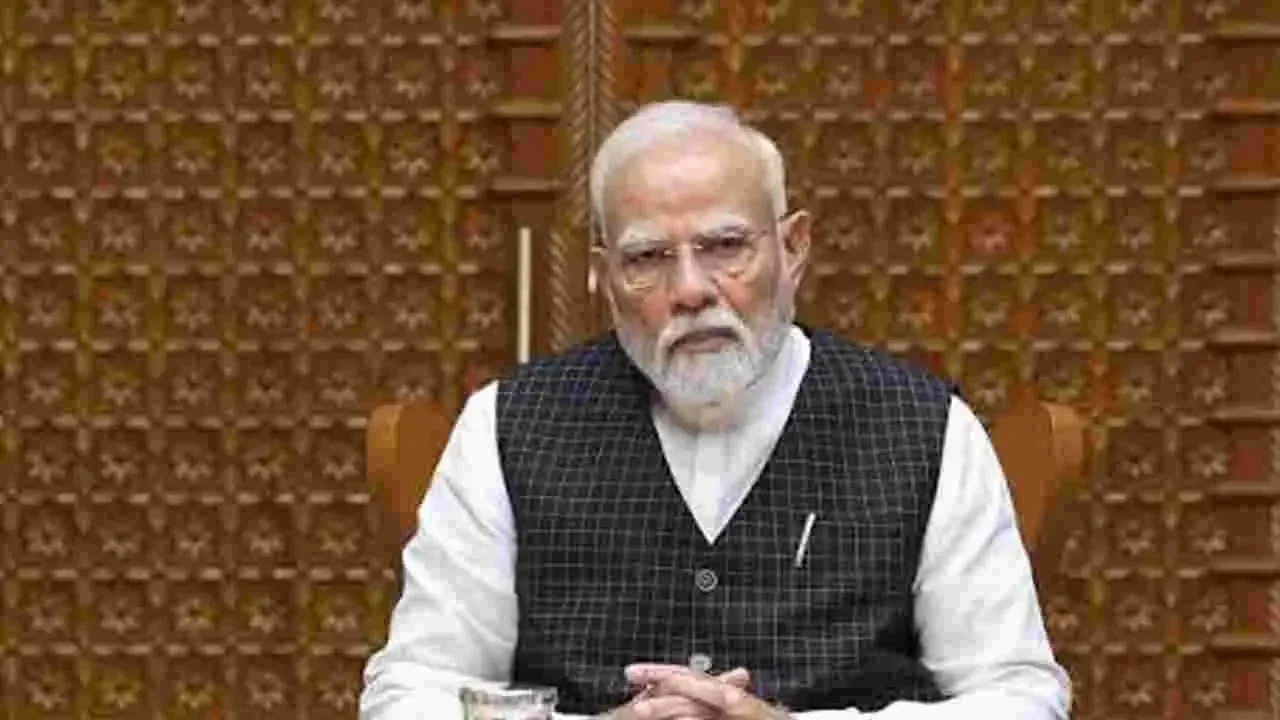
Modi Cabinet Reshuffle Imminent Ahead of Parliament Monsoon Session
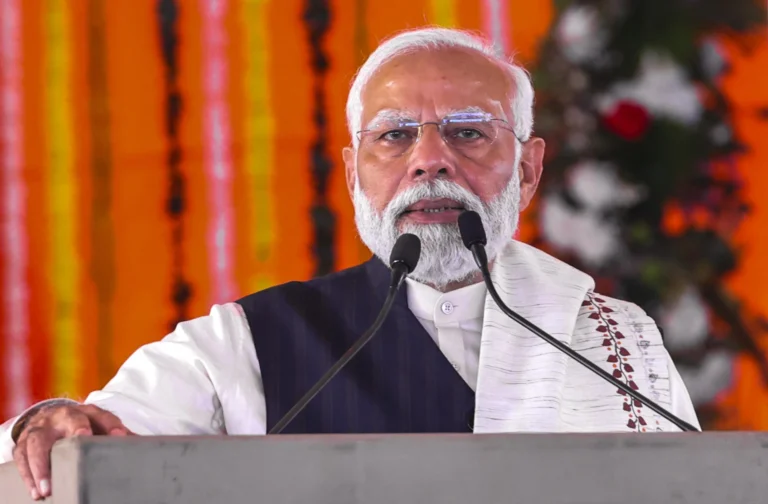
Prime Minister Narendra Modi is preparing a sweeping overhaul of the Union Council of Ministers to inject youth and adjust regional political equations. The extensive restructuring is expected to conclude before the upcoming Parliament Monsoon session, aligning with a major organizational shake-up within the ruling Bharatiya Janata Party.
Key Highlights
- Major Cabinet Overhaul: Prime Minister Modi is set to restructure the Union Ministry, introducing younger leaders into critical portfolios.
- Organizational Realignment: The reshuffle coincides with the announcement of a new BJP leadership team under national president Nitin Nabin.
- Accountability and Exit: Ministers facing controversies or holding dual party roles face potential replacement under the ‘one man, one post’ rule.
- Electoral Strategy: Enhanced cabinet representation is expected for states heading into crucial assembly elections next year.
Signs strongly indicate an imminent, massive restructuring of the central cabinet, with fresh faces positioned to secure critical ministerial portfolios. High-level BJP sources revealed on Sunday that national president Nitin Nabin will first declare his new organizational lineup, setting the stage for the subsequent ministerial realignment.
The top leadership has finalized the roster for “Team Nitin Nabin,” which aims to elevate younger leaders into prominent organizational roles. Nabin recently held strategic discussions with select ministers of state, paving the way for some cabinet members to transition into party roles while drawing organizational office-bearers into the government.
Meanwhile, federal Education Minister Dharmendra Pradhan faces an uncertain future following intense scrutiny over recent controversies. Speculation surrounds his position after widespread disruptions linked to the NEET examination paper leak and systemic flaws in the CBSE digital marking infrastructure.
The BJP hierarchy strongly believes that injecting younger leadership is imperative for managing vital ministries. Furthermore, the political dispensation plans to meticulously rebalance the cabinet by weighing regional demands, state representation, caste factors, and political loyalty.
The ministerial shake-up is slated to occur before the Parliament Monsoon session commences in the third week of July 2026. However, the final timeline depends heavily on Prime Minister Modi’s dense diplomatic schedule, which complicates immediate scheduling.
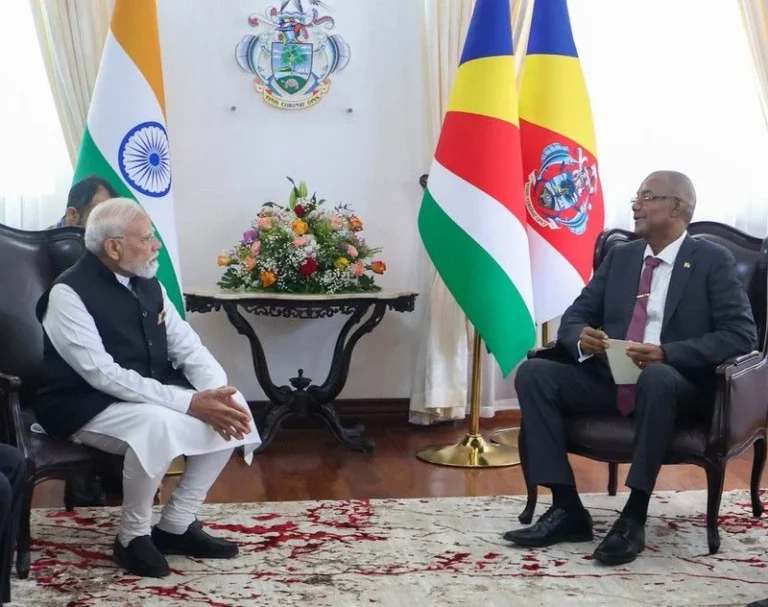
Modi is currently wrapping up a three-day official visit to Seychelles from June 27 to June 29, 2026. He is subsequently scheduled to host Japanese Prime Minister Sanae Takaichi in New Delhi from July 1 to July 3, 2026, before embarking on a multi-nation tour to Indonesia, Australia, and New Zealand between July 6 and July 11, 2026.
Speculation heightened after Prime Minister Modi met President Droupadi Murmu at Rashtrapati Bhavan on June 23, 2026, during a Padma Awards event. This was followed by Home Minister Amit Shah calling on the President on June 25, 2026, fueling belief that cabinet deliberations are finalized.
Union Ministers Pankaj Chaudhary and Harsh Malhotra, who recently assumed leadership of the BJP party units in Uttar Pradesh and Delhi respectively, face likely exits. The party plans to strictly enforce its traditional ‘one man, one post’ directive, necessitating their departure from the government.
Conversely, Union Ministers George Kurian and Ravneet Singh Bittu were excluded from the recent Rajya Sabha biennial elections, ending their Upper House tenures on June 21, 2026. While Kurian tendered his resignation, Bittu remains in the cabinet after top leaders instructed him to anchor upcoming electoral strategies.
Bittu, the grandson of former Punjab Chief Minister Beant Singh, shifted allegiance from Congress to the BJP during the 2024 general elections. As an influential Jat Sikh leader, he is highly likely to retain his ministerial berth to boost BJP prospects in Punjab’s assembly polls next year.
Assembly elections are scheduled next year in Uttar Pradesh, Uttarakhand, and Punjab, prompting expectations of heavier cabinet representation from these territories. Additionally, following a decisive electoral performance in West Bengal, the BJP is poised to increase the state’s presence in the central executive.
Cabinet berths may also be extended to dissident lawmakers from the Trinamool Congress (TMC) and Shiv Sena (UBT) factions. Notably, 20 breakaway TMC lawmakers declared an alliance with the NDA via the Nationalist Citizens Party of India, while six rebel Shiv Sena (UBT) lawmakers joined Eknath Shinde’s faction.
A senior leader from the Shinde-led Shiv Sena is tipped for a Cabinet-rank position. However, final inductions remain contingent upon the Lok Sabha Speaker’s formal rulings regarding ongoing disqualification petitions filed under the Anti-Defection Law.
Additionally, one or two of the seven Rajya Sabha lawmakers who abandoned the Aam Aadmi Party (AAP) to join the BJP are strong contenders for ministerial berths. Meanwhile, the Upper House terms of Union Ministers Hardeep Singh Puri and BL Verma will conclude in November 2026.
Changes are also expected at the gubernatorial level as three state governors approach the end of their tenures. Karnataka Governor Thawar Chand Gehlot and Madhya Pradesh Governor Mangubhai Patel retire in July 2026, followed by Uttarakhand Lieutenant General Gurmit Singh in September 2026.
Senior party sources indicate that select ministers exiting the cabinet could be transitioned into these vacant gubernatorial seats. Nevertheless, political observers note that Prime Minister Modi notoriously guards major policy decisions, ensuring absolute clarity emerges only during the official swearing-in ceremony.
Future Outlook
The upcoming cabinet reshuffle will serve as the architectural blueprint for the BJP’s governance and electoral strategy heading into 2027. By shifting seasoned ministers into organizational roles and elevating younger lawmakers, the administration seeks to counter anti-incumbency and address recent administrative vulnerabilities in education and digital infrastructure. The tactical induction of regional rebels and caste leaders underlines a calculated effort to solidify coalitions in volatile election-bound states like Punjab, Uttar Pradesh, and West Bengal.
FAQs
When is the Union Cabinet reshuffle expected to take place?
The restructuring of the Council of Ministers is projected to occur in early July 2026, ahead of the Parliament Monsoon session scheduled for the third week of the month.
Why is Education Minister Dharmendra Pradhan’s portfolio under scrutiny?
Dharmendra Pradhan faces political uncertainty due to recent institutional controversies, specifically the high-profile NEET question paper leak and technical discrepancies within the CBSE digital marking system.
What is the ‘one man, one post’ rule affecting current ministers?
The BJP organizational principle dictates that an individual cannot simultaneously hold a government ministerial portfolio and a major political party leadership position, directly impacting ministers like Pankaj Chaudhary and Harsh Malhotra.
Which states are likely to see increased representation in the cabinet?
Uttar Pradesh, Uttarakhand, Punjab, and West Bengal are anticipated to receive greater representation in the new cabinet lineup due to upcoming assembly elections and recent political shifts.