Keir Starmer Resigns Amid Andy Burnham Parliamentary Return
UK Prime Minister Keir Starmer announced his resignation on June 22, 2026, following intense internal party pressure. The decision comes immediately after regional leader Andy Burnham secured a decisive parliamentary by-election victory in Makerfield, positioning himself as the frontrunner to lead the Labour Party.
Key Highlights
- Prime Minister Keir Starmer officially resigned outside 10 Downing Street after two years in office.
- Former Greater Manchester Mayor Andy Burnham re-entered Parliament by winning the Makerfield by-election.
- Burnham remains the sole official candidate to declare for the upcoming Labour leadership contest.
- Starmer’s exit follows plunging poll numbers, policy reversals, and internal parliamentary dissent.
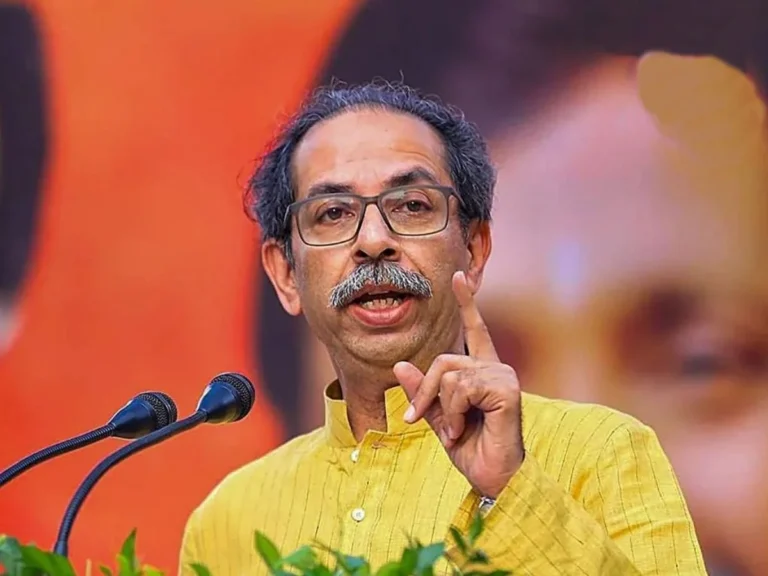
Andy Burnham, the former mayor of Greater Manchester, spoke at Ashton Town Football Club on June 19 in Ashton-in-Makerfield, England. His commanding triumph in the local poll provides the politician with substantial momentum and a heightened national profile. This electoral outcome creates immediate questions regarding the future ideological path of the Labour Party ahead of its next leadership vote.
The former regional chief executive secured the Makerfield seat in northwest England, clearing a direct path to challenge for the party leadership following the departure of Prime Minister Keir Starmer.
Burnham’s sweeping win over the Reform UK candidate delivered a major political lift to his camp, occurring alongside a sharp contraction in public support for Starmer after two years of governance. The prominent leader solidified his political authority through a platform centered on ‘Manchesterism,’ while simultaneously navigating and healing deep factional rifts within the wider party structure.
By orchestrating a comprehensive defeat of Reform UK in Makerfield, contrasted against a series of losses for Labour in separate local elections, Burnham captured vital political momentum. He has emerged as the definitive frontrunner for the leadership, pulling focused scrutiny from rival potential challengers who are monitoring his political trajectory.
By Monday, Burnham stood as the solitary political figure to formally launch an official campaign for the Labour leadership following the resignation statement delivered by Starmer.
Context of the Labour political battle
In his inaugural public address after the vote, Burnham highlighted an urgent requirement to unify parliamentary factions. He stated the organization must prioritize national reconstruction, targeting core fields such as economic expansion, surging living costs, and public service infrastructure.
The politician noted that future efforts must center on collective collaboration to return the state to a trajectory of sustainable development.
Former Prime Minister Keir Starmer confirmed that internal officials would establish the precise operational schedule for electing the next leader. The formal nomination window opens on July 9 and will extend until the summer parliamentary recess, with the ultimate duration dictated by the emergence of additional rivals.
Over recent political cycles, Burnham built a reputation as one of the most popular public figures in the United Kingdom. His political branding as an independent “outsider” to the Westminster establishment is balanced by 16 years of prior service in Parliament, alongside multiple cabinet roles under Gordon Brown and Tony Blair, notably serving as Health Secretary.
Following his election to lead the Greater Manchester region in 2017, Burnham largely withdrew from public participation in factional disputes. Instead, his targeted regional development initiatives turned him into a national symbol for northern political influence, gaining recognition for challenging central authority in London on critical regional funding questions.
During his tenure overseeing Greater Manchester, the local economy expanded, regional transit networks underwent modernization, and major residential housing initiatives were established. Senior political allies noted that Burnham executed a transparent strategy linking economic development with social equity to improve regional living standards.
Political opponents have raised specific criticisms regarding the structural execution of certain campaign pledges. However, core supporters defend the pragmatism of his governance, noting that significant foundational work occurred prior to his mayoral terms. Burnham continues to be viewed as a rare unifying figure capable of navigating internal party friction and external electoral challenges.
Westminster insiders frequently highlight his personal adaptability and proven capacity to broker consensus among differing party wings. His loyalists assert that his core philosophy of Manchesterism signals a modernized approach to public service administration while refocusing economic policy toward working-class communities.
As a prominent regional executive, Burnham established a operational blueprint for advocates seeking decentralized national governance and a departure from orthodox neoliberal economic policies. His platform signals a balanced framework regarding border management, national spending, and ongoing post-Brexit discussions, though final outcomes depend on future electoral tests.
It remains uncertain if Burnham can sustain this rapid campaign velocity or successfully assemble a broad coalition capable of capturing the premiership in the upcoming months. The ultimate efficacy of his leadership strategy and subsequent voter reception continue to dominate domestic political debate.
Historical Context and Future Outlook
The sudden collapse of the Starmer administration marks a rapid reversal of fortune in modern British political history. Keir Starmer entered Downing Street in July 2024 following a historic landslide victory that ended years of Conservative rule under Rishi Sunak. However, his two-year tenure was quickly beset by shifting policy platforms, internal party rebellions, and a steady decline in public approval metrics.
Tensions reached a breaking point in early 2026 following highly controversial adjustments to the winter fuel allowance and disability benefits, which triggered sharp public backlash and subsequent government U-turns. The final weeks of his administration saw additional strain after the introduction of a social media ban for citizens under 16 years of age.
On June 22, 2026, Starmer delivered an emotional, televised resignation address outside 10 Downing Street, acknowledging that his parliamentary party desired new leadership to contest the next general election. He confirmed he would remain in a caretaker role until a successor is finalized later this summer to ensure an orderly transition of power.
Meanwhile, right-wing Reform UK leader Nigel Farage has used the executive vacuum to demand an immediate general election. The upcoming Labour leadership contest, commencing July 9, will decide whether Burnham’s regional model can be successfully scaled to form a stable national government.
FAQs
Why did Keir Starmer resign as Prime Minister?
Keir Starmer resigned following months of declining public approval ratings, widespread internal dissent within the Labour Party, and criticism over unpopular policy announcements and subsequent u-turns regarding welfare benefits.
Who won the Makerfield by-election?
Andy Burnham won the Makerfield by-election in Northwest England, defeating the Reform UK candidate to officially re-enter Parliament and launch his bid for the Labour Party leadership.
What is the timetable for the Labour leadership election?
The formal selection process is scheduled to begin on July 9, 2026, when nominations officially open. The process will run until the summer parliamentary recess.
What is Andy Burnham’s political background?
Andy Burnham served in Parliament for 16 years, holding cabinet positions including Health Secretary under the Blair and Brown administrations, before serving as the Mayor of Greater Manchester starting in 2017.