India Rejects Track II Diplomacy, Rules Out Indus Treaty Relief For Pakistan
New Delhi has firmly denied participating in unofficial backchannel negotiations or planning any adjustments to the transboundary water agreement with Islamabad. High-level official sources clarified that the standing policy governing bilateral relations will experience no watering down under current regional pressures.
Key Highlights
- Top Indian government officials completely dismissed recent claims regarding active Track II diplomacy with Pakistan.
- The suspension of the 1960 Indus Waters Treaty will persist until cross-border state-sponsored militancy is permanently dismantled.
- Authorities clarified that private or academic meetings lack any sovereign backing or formal diplomatic mandates.
- India continues to accelerate run-of-the-river hydropower infrastructure along the western rivers following the 2025 treaty freeze.
Top Indian government sources have refuted reports of engaging in Track II diplomacy or offering Indus Waters Treaty concessions to Pakistan, maintaining a firm stance
Senior administration authorities have explicitly denied recent media accounts alleging that New Delhi is participating in backchannel talks. Assertions that India plans to extend compromises regarding shared water resources are entirely incorrect and highly deceptive, officials noted.
Sovereign clearance has not been granted for formal Track II processes with Islamabad. Furthermore, policymakers completely ruled out any softening of terms or special diplomatic dispensations regarding the historic water pact.
The state apparatus maintains this uncompromising posture despite concurrent friction over bilateral airspace and related neighborhood disputes. Leadership confirmed that existing frameworks will face no dilution, ensuring the primary security doctrine remains unchanged.
Limits of Track Diplomacy
Legitimate backdoor diplomatic initiatives necessitate highly organized parameters managed by state-appointed or formally accredited delegations. Separate international forums arranged by independent institutions do not represent sanctioned state communication lines, even when hosting delegates from both South Asian neighbors.
Former or active public servants attending these global seminars do so strictly in an individual capacity. Such dialogues occur entirely independent of official government oversight, strategic direction, or state authorization. Academic interactions happen frequently, but these exchanges carry no sovereign weight and cannot be labeled as backchannel diplomacy.
Embassies and high commissions representing either nation maintain zero involvement in coordinating these private academic assemblies. The gatherings operate fully isolated from any structured inter-governmental peace tracks.
Indus Treaty Remains Suspended
India enforced a formal halt on its participation in the landmark transboundary river pact on April 23, 2025, placing the entire accord in abeyance. This unprecedented action followed a lethal militant ambush directed at unprotected tourists and residents in Pahalgam, located within Jammu and Kashmir.
The bilateral accord will remain frozen until Islamabad demonstrates verifiable actions to systematically dismantle infrastructure aiding cross-border proxy warfare. Prime Minister Narendra Modi reiterated that unilateral compliance is impossible while hostility persists, maintaining that blood and water cannot flow together.
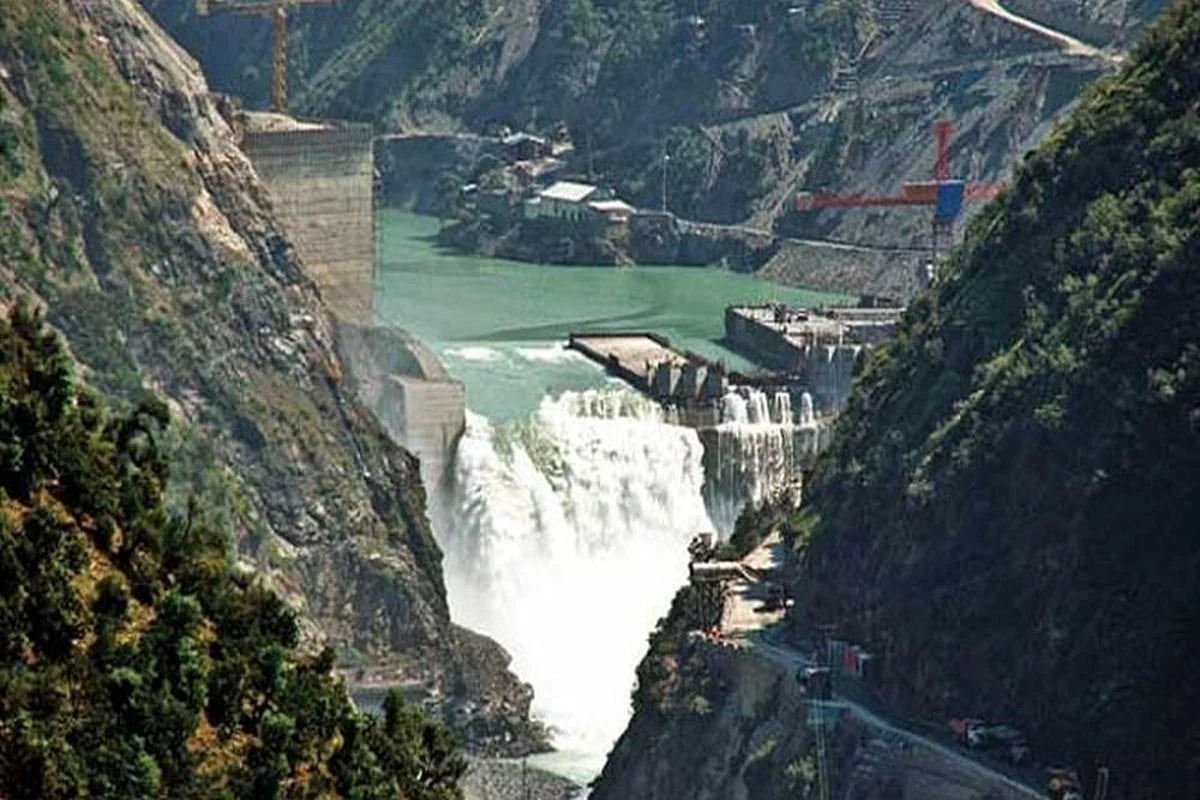
Following the 2025 freeze, New Delhi aggressively fast-tracked several run-of-the-river power projects and water redirection installations on the western Chenab and Ravi systems. This infrastructure push included massive desiltation operations at the Salal hydroelectric facility, prompting sharp institutional protests from Pakistan’s ministry of foreign affairs.
Future Outlook
The strategic deadlock between the two nuclear-armed neighbors appears set to deepen as India links all resource diplomacy to regional security. With Prime Minister Narendra Modi marking 12 years of centralized governance focused heavily on national defense and infrastructure development, New Delhi’s foreign policy has grown highly resistant to external mediation.
The acceleration of western river projects ensures that India will maximize its permitted usage under the original 1960 guidelines, permanently altering the downstream water dynamics. Unless Islamabad initiates a verifiable crackdown on militant networks operating near the border, the decades-old water treaty is unlikely to be revived in its original format.
FAQs
Why did India suspend the Indus Waters Treaty?
India placed the 1960 water pact in abeyance on April 23, 2025, following a severe militant assault on civilians in Pahalgam, Jammu and Kashmir. New Delhi declared that it would not uphold the agreement while Pakistan-backed proxy infrastructure remains operational.
What is the difference between official diplomacy and Track II initiatives?
Official diplomacy involves state-sanctioned negotiations between formal government representatives. Track II initiatives refer to informal, private dialogues conducted by academics, think tanks, or retired bureaucrats who do not possess a sovereign mandate or state backing.
Which river projects is India currently fast-tracking?
Following the suspension of the treaty, India accelerated run-of-the-river hydropower installations and water diversion structures along the western Chenab and Ravi rivers. This includes extensive sediment clearance operations at the Salal Power Station to optimize water management.